
Plants
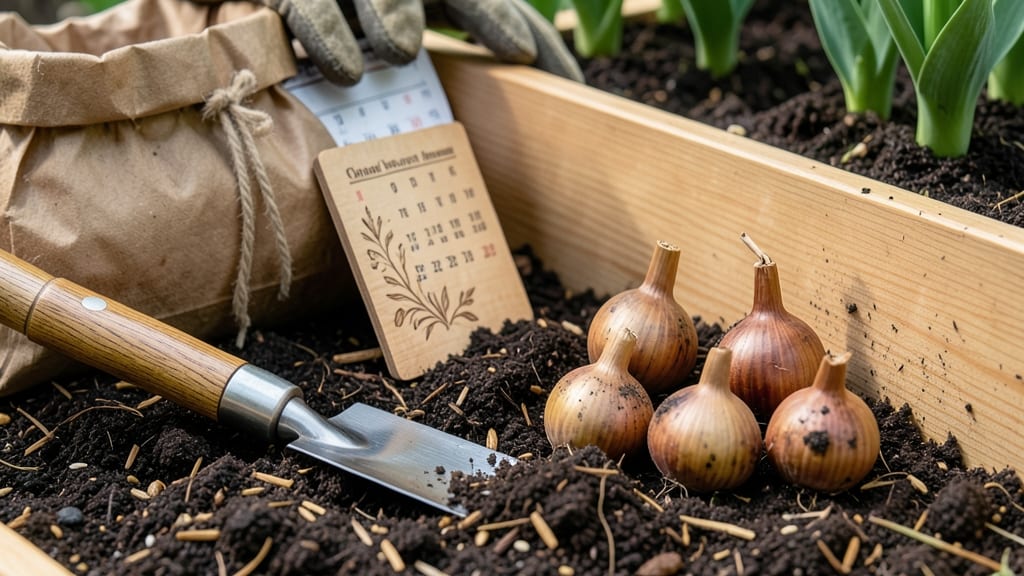
Planting your 🌷 tulip bulbs at the wrong time in New Jersey can mean the difference between a vibrant spring display and a disappointing flop.
The ideal window—October through November—gives roots time to establish before winter, but missing it by even a few weeks can leave your bulbs vulnerable to rot or frost damage.
With New Jersey’s varied climate zones (6a-7a), the perfect timing shifts from north to south. In colder regions like Sussex County, you’ll want to plant by early October, while warmer areas like Cape May can wait until late November.
The key is getting bulbs in the ground 6-8 weeks before the first hard frost, which typically hits around mid-November.
Don’t let uncertainty hold you back—this guide breaks down the exact deadlines for each county, plus soil prep tips to ensure your tulips thrive. Whether you’re a first-time gardener or a seasoned pro, these insights will help you time your planting like a local expert.
Ready to set your garden up for next spring’s showstopper? Let’s dive into the details so you can plant with confidence, no matter where you are in the Garden State.
New Jersey tulip planting deadlines by heat Zone (5a–7b)
Timing your tulip bulb planting in New Jersey depends on your USDA heat zone—whether you're in chilly Zone 5a (northwest counties) or milder Zone 7b (south Jersey).
The golden rule? Plant bulbs 6-8 weeks before the ground freezes, but NJ’s first frost dates can vary by 2-3 weeks across the state.
For most of NJ, this means mid-October to early November is ideal. However, gardeners in Zone 5a (like Bergen or Passaic counties) should aim for late September to early October, while those in Zone 7b (like Cape May or Atlantic counties) can plant as late as mid-November.
Soil temperature is your best guide: tulip bulbs need 40-50°F soil to start rooting. In northern NJ, this typically happens by mid-October, while southern NJ may wait until early November.
Use a soil thermometer to check—planting too early in warm soil can cause bulbs to sprout prematurely and rot.
| Zone | Counties | Planting Window | Soil Temp Threshold | Last-Call Date |
|---|---|---|---|---|
| 5a | Bergen, Passaic, Morris, Sussex | Late Sept–Early Oct | 40–50°F | Oct 15 |
| 6a | Hunterdon, Somerset, Middlesex | Mid-Oct–Early Nov | 40–50°F | Nov 1 |
| 6b | Mercer, Burlington, Monmouth | Late Oct–Mid-Nov | 45–50°F | Nov 10 |
| 7a | Ocean, Camden, Gloucester | Early Nov–Early Dec | 45–50°F | Nov 20 |
| 7b | Cape May, Atlantic, Salem | Mid-Nov–Mid-Dec | 50°F+ | Dec 1 |
If you miss the ideal window, don’t panic. Tulip bulbs can handle light frosts after planting, but avoid planting when soil is frozen or soggy.
In Zone 5a, for example, bulbs planted by October 15 still have time to root before winter, while Zone 7b gardeners can push it to December 1—just ensure the ground isn’t frozen.
For container gardening, adjust your timeline slightly. Potted tulips need 2-3 weeks earlier planting than in-ground bulbs because containers cool faster. If you’re using black plastic mulch to warm soil, you can plant 1-2 weeks later than the table suggests—but monitor soil temps closely to avoid rot.
Pro tip: Mark your planting date on a calendar and set a reminder for late spring (around April) to deadhead spent blooms. This helps the bulb store energy for next year’s showstopper flowers. In NJ’s humid summers, deadheading also reduces tulip fire (a fungal disease) risk.
Remember, tulip bulbs need 6-8 inches of soil above them for winter protection. In sandy soil (common in coastal areas), add compost to improve moisture retention, while clay-heavy soil (like in parts of Hunterdon County) benefits from sand amendments to prevent waterlogging.
Finally, if you’re unsure about your heat zone, check the USDA Plant Hardiness Map or ask your local Cooperative Extension office. They can provide hyper-local advice based on microclimates—like urban heat islands in Newark vs. cooler valleys in the Delaware Water Gap.
With the right timing, your tulips will reward you with bold blooms next spring, turning your NJ garden into a colorful masterpiece—just in time for Easter or Mother’s Day. 🌷
New Jersey tulip planting deadlines by heat Zone (5a–7b)
New Jersey’s diverse climate means your tulip planting deadline depends heavily on where you live.
The general rule is to plant 6-8 weeks before the first hard frost, but with USDA Zones 5a-7b across the state, that window shifts from early October in the north to late November in the south.
For example, gardeners in Sussex County (Zone 6a) should aim for mid-October, while those in Cape May (Zone 7b) can wait until early December.
Missing this window means bulbs won’t establish strong roots before winter, leading to weak or no blooms next spring. The key is to plant when soil temperatures drop to 50-60°F—cool enough to deter rot but warm enough for root growth.
Use a soil thermometer if you’re unsure, as NJ’s microclimates can vary even between neighboring towns.
Here’s a quick reference for your county’s ideal planting window:
| County | USDA Zone | Planting Window | Last-Call Date |
|---|---|---|---|
| Sussex, Passaic, Bergen | 5a-6a | Early October | Mid-October |
| Morris, Essex, Union | 6a-6b | Mid-October | Late October |
| Middlesex, Monmouth, Hunterdon | 6b-7a | Late October | Early November |
| Atlantic, Ocean, Cape May | 7a-7b | Early November | Mid-November |
Pro tip: If you’re in a volatile zone like Passaic County, where urban heat islands can delay frost, err on the earlier side. For coastal areas like Ocean County, the ocean’s chill can push frost dates earlier—plant by late October to be safe.
Always check your local NJ State Climate Office for updates if you’re unsure.
Once you’ve nailed the timing, focus on soil preparation. Tulips thrive in well-draining soil with a pH of 6.0-7.0. Mix in compost or sand if your soil is heavy clay, and avoid planting in low spots where water pools.
A 1-inch layer of mulch after planting helps insulate bulbs and retain moisture without smothering them.
For extra peace of mind, mark your planting date on your calendar—next year, you’ll thank yourself when your tulips burst into bloom right on schedule. And if you’re still unsure, consider planting a few bulbs in containers; they’re easier to move if frost comes early. 🌷