
Companion Plants
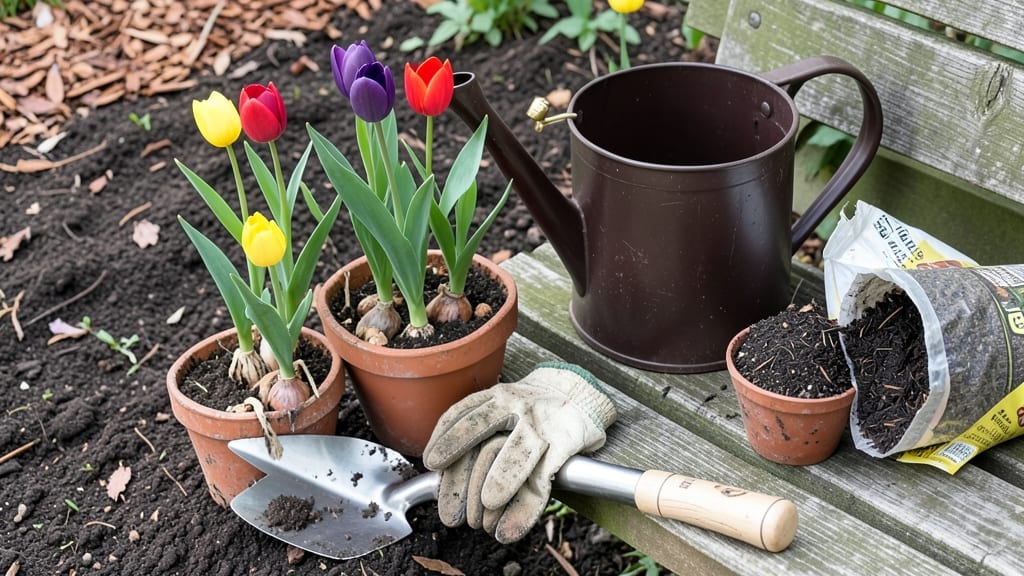
Planting your potted tulips 🌷 in the ground at the wrong time can mean the difference between a stunning spring display and wasted effort.
The key to success lies in understanding your local climate and soil conditions—because timing isn’t just about the calendar, it’s about when the earth is ready to welcome those delicate bulbs.
If you’re in USDA Zone 6a (like many gardeners), fall planting between September and November gives those roots time to establish before winter sets in. But spring planting in March or April also works if you act quickly after the last frost.
The trick? Soil temperature matters more than dates—aim for 40-50°F to avoid shocking the bulbs.
Here’s what you need to know: whether you’re transplanting in autumn or spring, proper prep makes all the difference. We’ll cover how to check your soil, when to trim those pot-bound roots, and how to protect your tulips from early frosts.
Let’s get those bulbs in the ground the right way—so you can enjoy vibrant blooms next year.
Don’t guess—plan. A little advance work now means fewer headaches later, and tulips that thrive instead of struggle. Ready to learn the exact steps for your zone? Let’s dive in.
Optimal soil temperature & hardiness zones for planting potted tulips
Timing is everything when transplanting potted tulips into your garden. The ideal soil temperature for planting is between 40-50°F, which allows roots to establish before winter dormancy. In warmer climates, aim for early fall planting (September-October), while cooler zones may extend this window until mid-November.
Spring planting is also possible after the last frost date in your area.
Your USDA hardiness zone plays a critical role in determining the best planting window. Most tulips thrive in zones 3-8, but zone-specific frost dates can shift the ideal window by 4-6 weeks.
For example, gardeners in zone 5 should plant by mid-October, while those in zone 8 have until early December before soil cools too much.
To check your local conditions, use the USDA Plant Hardiness Zone Map and consult your average first frost date. Many garden centers provide frost calendars for your region—bookmark these for future reference!
For potted tulips, 6-8 weeks before frost is the golden window to ensure roots anchor before winter sets in.
| Factor | Ideal Condition | Zone Examples |
|---|---|---|
| Soil Temperature | 40-50°F | Zone 3-8 |
| Planting Window | 6-8 weeks before frost | Zone 5: Sept 15-Oct 15 |
| Spring Alternative | After last frost date | Zone 7: March 15-April 15 |
| Soil Moisture | Well-draining, slightly moist | All zones |
If you're unsure about your zone, dig a soil thermometer into the ground where you plan to plant. The reading should match the 40-50°F target before transplanting.
For container-grown tulips, root-bound bulbs may need gentle root trimming to encourage new growth—use clean, sharp shears to snip any circling roots longer than 1 inch. This step is especially important for tulips that have been in pots for more than 1 year.
Early fall planting (September-October) gives tulips 6-8 weeks to establish roots before winter dormancy. This head start means stronger stems and more vibrant blooms next spring. In contrast, spring planting (March-April) works best in warmer zones (7-8) where frost is minimal.
However, spring-planted tulips may bloom later and produce fewer flowers compared to their fall-planted counterparts.
For gardeners in transition zones (like zone 6), consider mulching heavily after planting to insulate bulbs from temperature swings. Use 3-4 inches of straw or shredded leaves—this protects roots during early winter thaws and late spring frosts.
Always remove mulch in early spring to allow soil to warm and encourage shoot growth.
One common misconception is that tulips can be planted anytime they're not blooming. However, planting in summer (June-August) stresses bulbs, as they require cool soil to initiate root growth. If you missed the fall window, wait until spring—just be prepared for slightly reduced blooms that first year.
Always prioritize soil temperature over calendar dates when deciding when to plant.
To test your soil's readiness, perform a simple moisture check: Dig a 6-inch hole, fill it with water, and wait 1 hour. If the water drains completely, your soil is ready.
If it pools, amend with sand or perlite to improve drainage. Well-draining soil prevents rot and ensures bulbs get the oxygen they need to thrive.
Remember, potted tulips may need extra care during transplanting. Gently loosen roots if they're tightly bound, and water thoroughly before and after planting. This reduces transplant shock and helps bulbs adjust to their new home.
With the right timing and preparation, your potted tulips will reward you with stunning spring displays for years to come!☀️
Optimal soil temperature & hardiness zones for planting potted tulips
Timing your potted tulips 🌷 for transplanting depends on two critical factors: soil temperature and your USDA hardiness zone. Tulip bulbs need the ground to be 40-50°F before planting—they’ll rot if the soil is too warm.
In USDA Zones 3-8, this typically means planting in early fall (September-October) or late winter (March-April) after the last frost.
For example, gardeners in Zone 6a (like much of the Midwest) should aim for 6-8 weeks before the first frost, usually mid-September to early November. In warmer Zone 8, you might extend planting until December or even early spring.
The key is avoiding freezing soil or active growth before winter dormancy.
Here’s how to check your soil temperature: use a soil thermometer or dig down 4-6 inches—this is where the bulbs will sit. If it’s above 50°F, wait a few weeks. In Zone 5 or colder, prioritize fall planting to let roots establish before harsh winters.
🌱 Tulip Planting Guide by Zone & Season
| Zone | Ideal Planting Window | Soil Temp Requirement | Key Consideration |
|---|---|---|---|
| 3-4 | September 15-October 15 | 40-50°F | Avoid late fall planting—soil freezes too soon. |
| 5-6 | September 1-October 31 | 40-50°F | 6-8 weeks before first frost for root establishment. |
| 7-8 | September-December or March-April | 50-60°F (spring) or 40-50°F (fall) | Can plant later in fall or early spring. |
💡 Pro Tip: In Zone 9+, tulips may need winter chilling—plant in late fall or use a cooling treatment for potted bulbs.
Spring planting is riskier but works if you act fast. After the last frost date, wait until soil warms to 50°F—usually March-April in most regions. The downside? Tulips planted in spring often bloom later or produce fewer flowers because they miss the fall root-growth window.
For potted tulips, give them a root trim if they’re pot-bound—snip circling roots with clean scissors. This encourages outward growth in the garden. Also, water deeply the day before transplanting to reduce shock. Mulch with 2-3 inches of straw after planting to insulate roots from temperature swings.
Remember: Zone 3 gardeners should prioritize fall planting to avoid spring freezes, while Zone 8+ can stretch planting into December. Check your local frost dates and adjust—your tulips will thank you with healthier blooms next spring.