
Plants
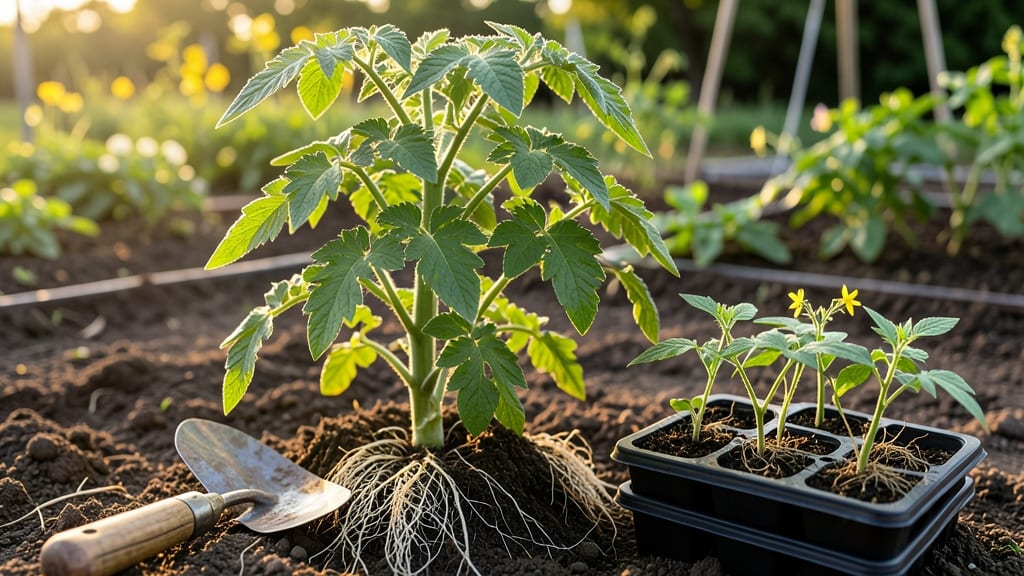
Planting tomatoes in South Carolina at the wrong time can turn your garden dreams into a sad, wilted 🍅 disappointment—especially when late frosts or scorching heat derail your plans.
I’ve learned the hard way that timing isn’t just about the calendar; it’s about understanding your USDA 7b-8b zone, soil temperatures, and even which varieties thrive in SC’s humidity.
Whether you’re a first-time gardener or a seasoned pro, getting this right means the difference between a bountiful harvest and a struggling plant.
In this guide, I’ll walk you through the exact planting windows for transplants and direct sowing, plus pro tips to beat South Carolina’s tricky climate. You’ll discover when to start seeds indoors, how to protect your plants from pests, and even how to extend your harvest well into fall.
Let’s get those tomatoes in the ground at the perfect moment—so you can enjoy juicy, homegrown fruit from June all the way through October.
South Carolina tomato planting calendar by heat Zone (avoid these critical mistakes)
South Carolina’s diverse climate—from the humid Lowcountry to the milder Upstate—means your tomato planting timeline should match your USDA hardiness zone. Get it wrong, and you’ll face late frosts or heat stress before your plants even set fruit.
The key? Planting after your average last frost date and when soil temps hit 60°F+.
Most SC gardeners fall into Zone 8a (Piedmont), Zone 8b (Coastal), or Zone 9a (Upstate), each with its own planting window. For example, Charleston’s Zone 8b can start transplants by March 20, while Greenville’s Zone 8a waits until April 15.
These differences matter—one week too early can mean frost-killed seedlings.
Here’s your zone-specific planting calendar, backed by Clemson Extension data, to pinpoint the exact weeks to transplant or direct-sow tomatoes for maximum yields:
| Zone | Last Frost Date | Ideal Transplant Window | Soil Temp Requirement (°F) | Key Risks |
|---|---|---|---|---|
| 8a (Piedmont) | March 15–April 1 | April 15–May 15 | 60+ | Late frosts, heat stress |
| 8b (Coastal) | March 1–March 15 | March 20–April 30 | 55+ | Humidity/mold |
| 9a (Upstate) | April 1–April 15 | May 1–June 1 | 65+ | Early heat waves |
Source: Clemson Cooperative Extension 2023
Notice how Zone 9a (Upstate) can plant a full month later than Zone 8b (Coastal)? That’s because Upstate areas hit 90°F+ faster, stressing young plants.
If you’re in Zone 8a, aim for April 15–May 15—any earlier risks frost damage, and later means shorter harvests before summer heat sets in.
Pro tip: Use a soil thermometer ($10 at garden centers) to confirm temps. Tomatoes won’t thrive below 60°F, even if the air feels warm. Black plastic mulch can add 5–10°F to soil temps, letting you plant 2 weeks earlier in cooler zones like Zone 8a.
For direct sowing (planting seeds outdoors), wait until 2 weeks after your transplant window. Seeds need 70°F+ soil to germinate reliably. In Zone 8b, that’s typically April 15–May 1; in Zone 9a, May 15–June 1.
One common mistake? Rushing to plant heirloom varieties like Brandywine too early. These need longer growing seasons and struggle with SC’s humidity. Stick to disease-resistant hybrids (like Celebrity) for your first transplant, then experiment with heirlooms later in the season.
🌱
Proven tomato varieties for South Carolina’s climate (and when to plant them)
South Carolina’s humid summers and unpredictable weather demand heat-tolerant, disease-resistant tomato varieties to thrive. Not all tomatoes handle our 90°F+ heat waves or high humidity equally—so choosing the right variety and planting at the perfect time is key.
Here are my top 5 tomato picks for SC gardens, ranked by speed and reliability.
For fastest harvests, 'Solar Fire' and 'Celebrity' are my go-tos—they mature in just 55–70 days and resist common SC pests like blight and hornworms. Plant these transplants between March 20–April 30 (coastal areas) or April 15–May 15 (Piedmont/Upstate) for peak yields.
If you’re in Zone 8b (coastal), 'Solar Fire' is my #1 recommendation—it thrives in humid heat and produces bright red fruit even when temps hit 95°F. For Upstate gardeners (Zone 9a), 'Mountain Merit' handles late spring frosts better than most varieties.
Pro tip: Stagger your plantings by 2–3 weeks to extend your harvest. For example, plant 'Celebrity' in late March (coastal) and again in mid-April for a continuous supply from June through October. Just remember—soil temps must stay above 60°F for seeds to germinate properly!
For heirloom lovers, 'Black Krim' is stunning but needs extra care in SC’s climate—it’s prone to cracking in heavy rain, so mulch heavily and water consistently. Plant these transplants no earlier than May 1 to avoid blight risks.
🌱