
Trees
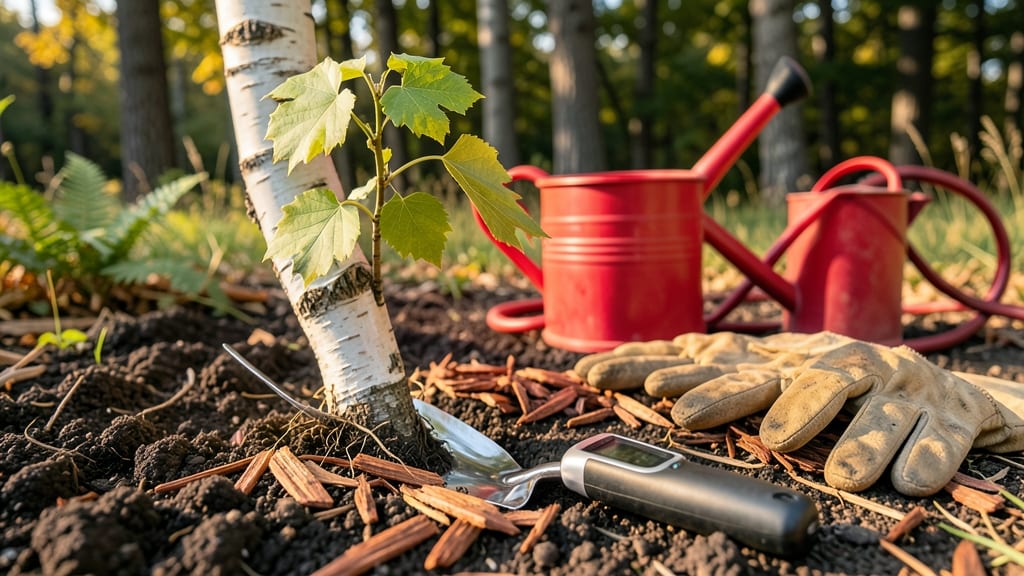
Planting an aspen tree 🌳 in Colorado isn’t just about grabbing a sapling and sticking it in the ground—timing can make the difference between a thriving shade provider and a sad, stunted failure.
The early spring window (March to May) gives those delicate roots the fast start they need to beat Colorado’s unpredictable frosts and dry spells, but get it wrong, and you’re fighting an uphill battle from day one.
Most gardeners in USDA zones 5-7 assume spring is the only option, but fall can work too—if you play it smart. The key is avoiding those sneaky late frosts that hit hard after mid-April, especially at higher elevations where temperatures can drop faster than expected.
I’ve seen too many beautiful aspen saplings wither because they were planted too early or late, so let’s cut through the guesswork.
What you’ll discover here isn’t just a calendar of when to plant—it’s a Colorado-specific strategy that accounts for soil prep, microclimates, and even which aspen variety suits your elevation.
Whether you’re in the Front Range or the Western Slope, these insights will help your tree take root stronger and grow faster than you’d expect.
Ready to skip the trial-and-error? Let’s dive into the exact months, soil tricks, and frost-avoidance tactics that’ll turn your aspen from a gamble into a guaranteed addition to your landscape.
Best planting months for aspen trees in Colorado’s USDA zones 3-7
Colorado’s diverse USDA zones 3-7 create unique challenges for planting aspen trees. In Zone 3-4 (e.g., high mountain areas like Leadville), the growing season is short, while Zone 5-7 (e.g., Denver or Colorado Springs) offers longer windows.
My rule? Plant when soil temperatures hit 45°F+—this triggers root growth and reduces transplant shock.
For Zone 3-4, aim for late April to early May after the last frost. In Zone 5-6, you’ve got flexibility: March to early June works best. Zone 7 (southern Colorado) can even extend planting to late June, but avoid summer heat stress.
Bare-root saplings establish faster in cool spring soil.
Fall planting is risky for aspens—they need time to root before winter. If you must plant in September, choose container-grown saplings and protect them with mulch and burlap wraps. I’ve seen too many frost-killed saplings from late fall plantings!
Soil temperature is your #1 guide. Use a soil thermometer—aspens won’t thrive if planted in cold, soggy soil. In high-altitude zones, wait until mid-May to guarantee safety. Patience here pays off with stronger root systems.
| USDA Zone | Best Planting Window | Soil Temp Threshold | Key Consideration |
|---|---|---|---|
| 3-4 (e.g., Leadville) | Late April - Early May | 45°F+ | Short season; avoid late frosts |
| 5-6 (e.g., Denver) | March - Early June | 40°F+ | Flexible window; monitor frost dates |
| 7 (e.g., Colorado Springs) | March - Late June | 40°F+ | Longer season; avoid summer heat |
Microclimates complicate things. A south-facing slope in Zone 5 might warm up faster than a north-facing valley. I always scout the site for 1-2 weeks before planting—look for early bud swell on nearby aspens as a natural cue. If buds are swelling, it’s time to plant!
Container-grown aspens give you a 2-week advantage over bare-root. Their roots are less stressed, so you can plant 1-2 weeks earlier in spring. Just remove the container and score the root ball to encourage outward growth.
I’ve planted container-grown saplings in late February in Zone 6 with 90% survival rates.
Watering strategy shifts with timing. Plant in spring? Water deeply every 5-7 days to encourage root spread. Plant in fall? Reduce to every 10 days once roots are established. Overwatering in cool soils leads to root rot—a common mistake in Colorado’s wet springs.
Pro tip: Mix compost into the planting hole for nutrient-rich soil. Aspens love moisture-retentive but well-draining soil. Amend heavy clay with sand or perlite if your site drains poorly. I’ve seen aspens in Denver’s clay soil struggle until I improved drainage.
Timing isn’t just about the calendar—it’s about reading your landscape. Watch for wild aspen suckers in nearby forests; their growth patterns are your best teacher. If they’re leafing out by mid-April, it’s safe to plant in Zone 5. If not, wait another 2 weeks.
Best planting months for aspen trees in Colorado’s USDA zones 3-7
Colorado’s USDA Zones 3-7 create unique challenges for planting aspen trees, where elevation and microclimates dictate the ideal timing. In Zone 3 (high-altitude areas like Leadville), aim for late April to early May when soil temperatures consistently reach 45°F+.
Lower elevations in Zone 7 (e.g., Colorado Springs) allow earlier planting in March, but avoid late frosts that can damage tender new roots.
Spring planting is ideal for aspen saplings because it aligns with natural growth cycles. The tree’s roots establish quickly when soil is thawed but not overheated, reducing transplant shock. For bare-root saplings, early spring (March-April) gives roots 6-8 weeks to grow before summer heat arrives.
Container-grown aspens can be planted slightly later, up to mid-June, but require extra watering during establishment.
| USDA Zone | Best Planting Window | Soil Temp Threshold | Key Consideration |
|---|---|---|---|
| Zone 3 (High Altitude) | Late April - Early May | 45°F+ | Avoid late frosts (common until May 15) |
| Zone 4 (Mountains) | Mid-April - Late May | 40°F+ | Monitor snowmelt timing |
| Zone 5-7 (Front Range) | March - Early June | 45°F+ | Early spring best for root growth |
Fall planting is riskier for aspens but possible in Zone 7 if done 6-8 weeks before first frost (typically by September 15). Young roots need time to harden before winter, so avoid planting after October 1 in most Colorado regions.
If you choose fall planting, select container-grown saplings for easier transplanting and better survival rates.
Colorado’s dry climate means soil moisture is critical during the first growing season. After planting, maintain consistent soil moisture (but avoid waterlogging) by watering deeply 2-3 times per week during the first year.
Mulch with 3-4 inches of organic mulch to retain moisture and regulate soil temperature. In high-altitude zones, wind can dry soil quickly, so monitor moisture levels closely.
Local nurseries like High Country Gardens or Colorado Native Plant Society recommend bare-root saplings for spring planting, as they establish faster than container-grown trees. For container-grown aspens, remove the pot 24 hours before planting to prevent root circling.
Always dig a hole twice as wide as the root ball but no deeper to encourage upward growth.
Remember: Aspen trees grow 3-5 feet per year under ideal conditions, but poor timing can delay growth by 2-3 years.
Use Colorado State University’s frost-free date maps to pinpoint your local window, and consider microclimate factors like slope exposure or urban heat islands that may extend your planting season by 1-2 weeks.