
Plants
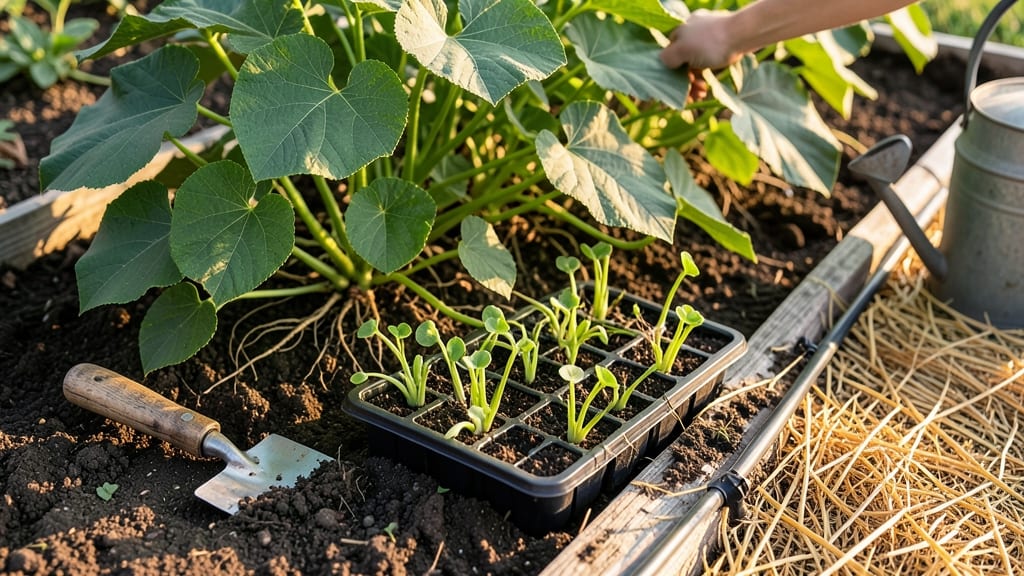
Planting 🍠 sweet potatoes in North Carolina isn’t just about avoiding frost—it’s about catching the perfect window when your soil is warm enough to fuel those vines.
If you’ve ever watched your slips wilt because the ground was still chilly or struggled with stunted growth, you know timing makes all the difference.
North Carolina’s 7a-8b zones give you a 2-month window from mid-April to mid-June to plant, but not every region plays by the same rules. The Piedmont’s warmer soil might be ready by early April, while the Mountains could still be too cool until late May.
I’ll break down exactly when to plant in your specific corner of the state—and how to tweak your approach for the best harvest.
You’ll also discover why soil temperature matters more than calendar dates, how to use mulch to accelerate warmth, and when to stop fussing over frost dates entirely. By the end, you’ll know exactly when to get those slips in the ground for sweeter, larger sweet potatoes—no guesswork involved.
Whether you’re a first-time gardener or a seasoned grower, these insights will help you skip the trial-and-error and head straight for a harvest that’ll make your neighbors jealous. Let’s get those 🍠 plants growing the right way.
North Carolina heat zones: best planting windows by region
North Carolina’s diverse heat zones (6a-8b) mean your sweet potato planting window can vary by 100+ days depending on where you live. The Coastal Plain (Zone 8a-8b) enjoys a longer growing season, while the Mountains (Zone 6a-7a) face earlier frost risks.
Knowing your zone helps you avoid cold-soil shock and maximize 120-day harvest windows.
Sweet potatoes need warm soil (65°F+) to germinate, so planting too early in cooler zones can stall growth. Use a soil thermometer to confirm readiness—this is especially critical in the Piedmont region (Zone 7a-7b), where April frost can still occur.
Coastal areas often start planting by mid-March, while mountain gardeners may wait until late May.
Here’s how to match your planting timeline to NC’s three main regions:
| Region | USDA Zone | Last Frost Date | Optimal Planting Window | Soil Temp Threshold |
|---|---|---|---|---|
| Coastal Plain | 8a-8b | Mid-March | March 15 – April 30 | 65°F+ (earlier) |
| Piedmont | 7a-7b | Early April | April 15 – May 15 | 65°F+ (verify with thermometer) |
| Mountains | 6a-7a | Late April | May 1 – June 1 | 70°F+ (later start) |
For Coastal NC gardeners, the earliest planting window (March 15) gives you a 200+ day growing season, perfect for large, sweet varieties like ‘Beauregard.’ In the Piedmont, aim for April 15 to align with soil warming trends—this is when 65°F soil temps become consistent.
Mountain growers should wait until May 1 to avoid late-spring frost damage.
Pro tip: Use black plastic mulch to raise soil temps by 5-10°F in cooler zones. This trick lets Piedmont gardeners plant 2-3 weeks earlier than the table suggests. Just remove the mulch 4-6 weeks before harvest to prevent sweet potato scalding.
If you’re unsure of your exact heat zone, check the NC State Extension’s interactive map or use the USDA Plant Hardiness Zone Finder. Even within a zone, microclimates matter: A south-facing slope in the Mountains might let you plant 2 weeks earlier than a valley garden.
Remember, sweet potatoes need heat—not just frost-free conditions. Even in Zone 8b, planting before soil reaches 65°F can lead to slow, uneven growth and smaller yields. Always test your soil before planting to avoid this common mistake.
For container growing in cooler zones, start slips indoors under grow lights 4-6 weeks before your last frost date. This gives you a head start on the season and helps Mountain gardeners harvest before first frost in November.
🌱
How to time sweet potato planting for maximum yield in NC
Timing your sweet potato planting in North Carolina isn’t just about avoiding frost—it’s about capturing the perfect window when soil temperatures and daylight align for optimal growth. Sweet potatoes thrive when soil reaches at least 65°F, which typically happens between mid-April and early June across most of NC.
But don’t wait too late—planting after June 15 risks stunted tubers before the first frost.
Your local microclimate plays a huge role. Coastal areas like Wilmington can plant as early as March 15, while the Mountain region (USDA Zone 6a) may need to wait until May 1 to ensure soil warmth. Use a soil thermometer to confirm readiness—this simple tool prevents costly mistakes.
Adjust your planting date based on your harvest goals. For smaller, sweeter tubers, plant in late May or early June—this shortens the growing season but boosts flavor. For larger yields, aim for mid-April to early May in warmer zones like the Coastal Plain.
Use row covers or cloches to protect young plants if an unexpected late-spring frost threatens. These tools create a 5-10°F warmer microclimate, giving your slips a fighting chance. Remove covers once vines reach 6 inches tall to prevent overheating.
Monitor your plants’ growth rate as a final check. Healthy slips should produce new leaves within 2 weeks of planting. If growth stalls, it’s often a sign of cool soil or insufficient sunlight. In this case, consider transplanting to a sunnier spot or adding compost to warm the soil.
Finally, mark your calendar for harvest time—aim to pull tubers 10-14 days before the first frost in your area. This ensures you reap the rewards of your precise timing efforts! 🍠