
Plants
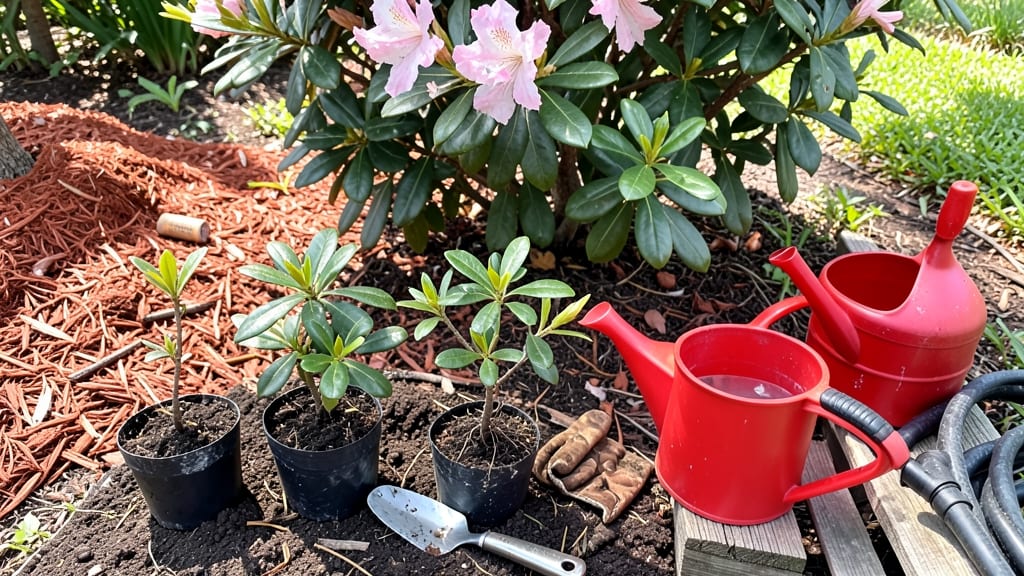
Planting azaleas in Florida’s sweltering heat and humid climate requires precision timing—get it wrong, and your 🌸 shrubs may struggle or even die before blooming. The key to success lies in choosing the right window when temperatures cool just enough to let roots establish without summer’s scorching stress.
Most Florida gardeners swear by fall planting (September through November) as the gold standard, but early spring (February to March) also works beautifully in frost-free zones like 8a-11. This timing avoids the brutal summer heat while giving your azaleas a head start before winter’s mild chill.
Why does this matter? Because azaleas thrive when they’re not battling Florida’s extreme conditions—whether it’s the oppressive summer sun or the rare late-winter frost in northern regions. By planting at the right time, you’ll set your shrubs up for vibrant blooms and long-term resilience.
Ready to transform your landscape? I’ll walk you through the exact months that work best for your specific Florida heat zone, plus soil prep tips and care strategies to keep your azaleas flourishing year-round.
Florida heat zones explained: best planting months by region
Florida’s unique climate—with its humidity, summer heat, and frost-free zones—means azalea planting timing varies dramatically from North to South. The state’s 11 heat zones (A1–B4) dictate the best planting windows to ensure your azaleas establish roots before extreme weather hits.
In North Florida (zones 8a–9a), cooler winters and occasional frost demand earlier planting, while South Florida (zones 10a–11) offers a longer, frost-free growing season.
For optimal root growth, aim to plant azaleas when soil temperatures stay below 80°F but above 60°F. This fall window (September–November) is ideal for most regions, as it allows roots to establish before summer’s brutal heat.
In North Florida, early spring (February–March) is your second-best option, while South Florida gardeners can even plant in December or January to avoid summer stress.
Here’s how Florida’s heat zones break down for azalea planting success:
In North Florida, where frost can sneak in as late as January, prioritize fall planting (September–October) to give roots time to harden off. Evergreen azaleas, like ‘Southern Indica’, handle cooler temps better than deciduous types.
Meanwhile, South Florida’s frost-free climate lets you plant year-round, but September–November still tops the list for root establishment before summer’s dry season.
If you’re in Central Florida, where humidity spikes in summer, early fall (September) is your best bet—it’s hot but not scorching, and rain helps settle soil. Avoid planting in June or July; the 90°F+ soil can shock roots, leading to heat stress or even death.
Pro tip: Soak roots in water for 10–15 minutes before planting in dry months to reduce transplant shock.
For container-grown azaleas, timing shifts slightly. You can plant anytime in South Florida, but fall (September–October) still gives them the best shot at blooming the next spring.
In containers, monitor soil moisture closely—pots dry out 3x faster than ground soil in Florida’s heat. Use peat-based potting mix to retain moisture while ensuring drainage.
One common mistake? Planting azaleas in April or May for a "quick bloom." While this might work in South Florida, the dry heat and intense sun will stress your shrubs, leading to stunted growth or leaf scorch.
Instead, focus on root health first—your azaleas will reward you with vibrant blooms next spring.
Remember: Azaleas hate soggy roots. Florida’s heavy rains in summer can drown them if planted in low-lying areas. Always choose a slightly elevated spot with well-draining soil, even if it means amending clay soil with pine bark fines or sand.
A 2-inch layer of mulch (like pine straw) will keep roots cool and moisture-retentive.
🌸
Critical pre-planting checks to avoid azalea failure in Florida’s climate
Before you dig, Florida’s unique climate demands extra prep work for azaleas. Soil pH is the first critical check—these shrubs thrive in acidic soil (pH 4.5-6.0). Test your soil with a kit or send a sample to your local extension office.
If your soil is alkaline, amend it with sulfur or peat moss months before planting to give it time to adjust.
Next, consider your azalea variety. Florida’s heat zones favor evergreen azaleas like Rhododendron simsii, which handle humidity better than deciduous types. For cooler northern regions, deciduous azaleas like Rhododendron canescens can be hardier. Check your zone to pick the right match—Zone 8A-11 covers most of Florida.
Shade planning is non-negotiable in Florida. Azaleas need partial shade (4-6 hours of morning sun) to avoid leaf scorch. In South Florida (Zones 10-11), afternoon shade is essential—use native trees like live oaks or install shade cloth if needed.
In North Florida (Zones 8A-9), east-facing locations work well to balance sun exposure.
Dig your planting hole twice as wide as the root ball but no deeper. Mix the removed soil with compost and acid-loving plant fertilizer (like 8-10-10 NPK) to create a nutrient-rich blend.
This step ensures your azalea gets a nutrient boost right from the start, compensating for Florida’s often nutrient-poor sandy soils.
Finally, schedule your planting for overcast days or early morning to reduce transplant shock. If you must plant in direct sun, do it by 10 AM and provide drip irrigation for the first 2-3 weeks. This mimics Florida’s humid, rainy conditions and helps roots acclimate faster.
With these checks complete, your azaleas will have the best shot at thriving in Florida’s humid, heat-prone climate. The key is preparation—don’t skip soil testing or shade planning, or you’ll risk struggling shrubs. 🌿🌸