
Plants
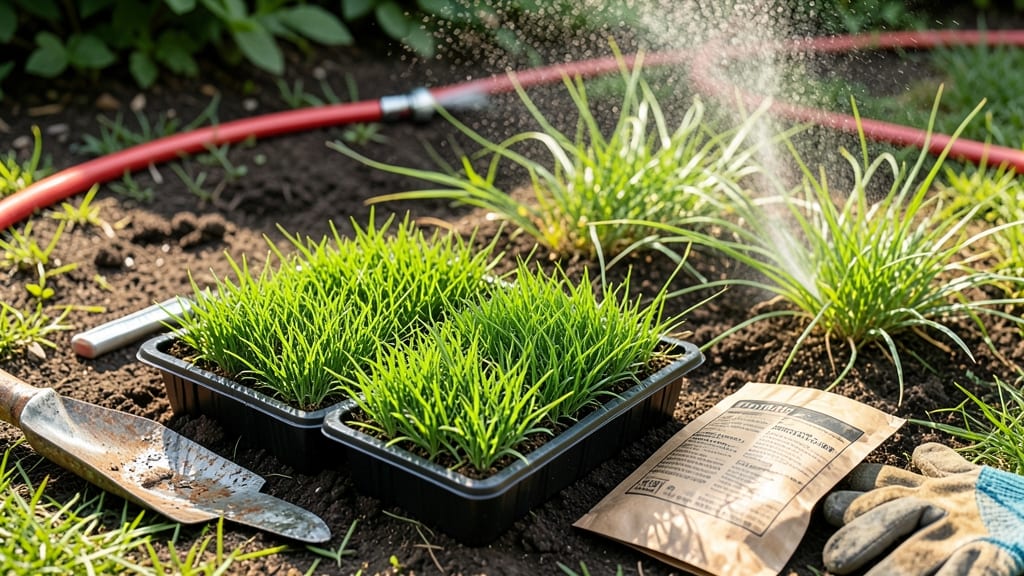
Planting summer grass in Arizona isn’t just about picking the right type—it’s about timing it perfectly to beat the brutal heat. The late July to early September window is your golden opportunity to establish heat-resistant varieties like Bermuda or Zoysia before monsoon season fades.
Why does timing matter so much? Planting too early means battling extreme temperatures that can shock young roots, while waiting too long risks weak growth before winter slows things down. In USDA Zone 9b, soil temperatures and rainfall patterns create a narrow but critical window for success.
I’ve learned the hard way that skipping this window can leave your lawn struggling—or worse, failing entirely. But with the right preparation, you can transform your Arizona yard into a lush, drought-tolerant oasis. Let’s break down exactly how to nail the timing and avoid common pitfalls.
From soil prep to watering schedules, I’ll share the pro tips that make all the difference in Arizona’s intense climate. Whether you’re in the Low Desert or High Desert, these strategies will help your summer grass thrive when it counts most.
Best time to plant summer grass in Arizona: exact months & temperature guidelines
Arizona’s extreme heat makes timing the most critical factor for summer grass success. Planting too early means battling 110°F+ soil, while waiting too late risks monsoon rains or winter dormancy. The perfect window balances root establishment with cooler temperatures—typically late July through early September.
For Low Desert areas (Phoenix, Tucson), aim for July 20–August 15 when daytime highs drop to 100–105°F and nights cool slightly. In High Desert regions (Flagstaff, Prescott), extend the window to August 1–September 10 due to cooler nights and shorter growing season.
Soil temperature is your best indicator. Use a soil thermometer to confirm 65–75°F at 4-inch depth. If temps exceed 85°F, roots struggle to establish, leading to brown patches or fungal diseases. Test in the late afternoon for accuracy.
| Stage | Action | Notes |
|---|---|---|
| Soil Prep | Test soil temp (65–75°F) | Use compost to improve drainage |
| Planting Window | Late July–Early Sept | Avoid June (peak heat) or Oct (rainy season) |
| Watering | Deep watering (0.5–1 inch) | Morning only to prevent evaporation |
| Fertilizing | July & August (high nitrogen) | Avoid fall fertilization (promotes late growth) |
| Mowing | Wait until 3–4 inches tall | Never remove >1/3 of blade height |
Monsoon season (July–September) brings unpredictable rainfall, which can wash away seedlings or cause soil erosion. Plant 2–3 weeks before monsoons peak (check local forecasts) to give roots time to anchor. If storms hit early, use erosion control fabric until soil stabilizes.
Avoid planting in June—soil temps often exceed 90°F, and seedlings bake in the sun. Similarly, September–October brings cooler nights and increased rainfall, slowing root growth. The sweet spot is when daytime highs hit 95–100°F but nights drop below 80°F.
For sod vs. seed, sod has a 2–3 week head start but costs more. Seedlings take 4–6 weeks to establish but are cheaper. If choosing seed, opt for pre-germinated seed to reduce transplant shock. Always water deeply after planting to encourage root penetration.
Watch for heat stress signs like blue-gray blades or rolled leaf tips. These indicate soil temps >85°F. If you see these, provide shade cloth (30–50% shade) until temps drop. Mulch with straw (not wood chips) to retain moisture and regulate soil temperature.
Pro tip: Use a shade tent over new seedlings for 1–2 weeks if planting in full sun. This reduces evaporation by 30–40% and gives roots a better chance to establish before monsoon rains arrive.
Remember, Arizona’s microclimates vary wildly. Low Desert areas like Phoenix have hotter, drier conditions, while High Desert (e.g., Sedona) has cooler nights and higher humidity. Adjust your planting window by 1–2 weeks based on your elevation and local weather patterns.
Best time to plant summer grass in Arizona: exact months & temperature guidelines
Arizona’s extreme heat and monsoon season make timing critical for summer grass success. Planting too early risks heat stress, while waiting too long delays root establishment before cooler weather arrives. The ideal window is late summer, when temperatures begin to drop slightly and monsoon rains taper off.
For most of Arizona (USDA zones 9b–11), aim to plant summer grass seeds or sod between late July and early September. This gives new grass 6–8 weeks of warm soil temperatures (above 65°F) to establish roots before winter dormancy begins.
Soil temperature is your best indicator. Use a soil thermometer to confirm readings of 70–85°F at a 4-inch depth. If temperatures spike above 95°F, delay planting until conditions cool slightly—even a few degrees can make a difference in survival rates.
| Timeframe | Soil Temp | Key Conditions | Action |
|---|---|---|---|
| Late July | 70–85°F | Monsoons ending, humidity high | Plant seeds or sod |
| August | 65–75°F | Cooler evenings, less rain | Fertilize lightly, water deeply |
| Early Sept | 60–70°F | Dry, stable temps | Reduce watering, prep for winter |
Avoid planting in June or early July—this aligns with Arizona’s peak heat (often exceeding 100°F), which can cause seeds to dry out or sod to bake. Similarly, planting after mid-September risks insufficient root growth before winter slows activity.
For high-desert areas (e.g., Flagstaff, Prescott), shift your timeline 2–3 weeks later due to cooler nights. Monitor local weather forecasts for monsoon patterns, as prolonged rain can delay planting or lead to fungal issues.
Pro tip: If you miss the ideal window, consider overseeding in spring (March–April) for cool-season grasses like ryegrass, but these won’t thrive in Arizona’s intense summers. Stick to heat-resistant varieties like Bermuda or Zoysia for year-round performance.