
Plants
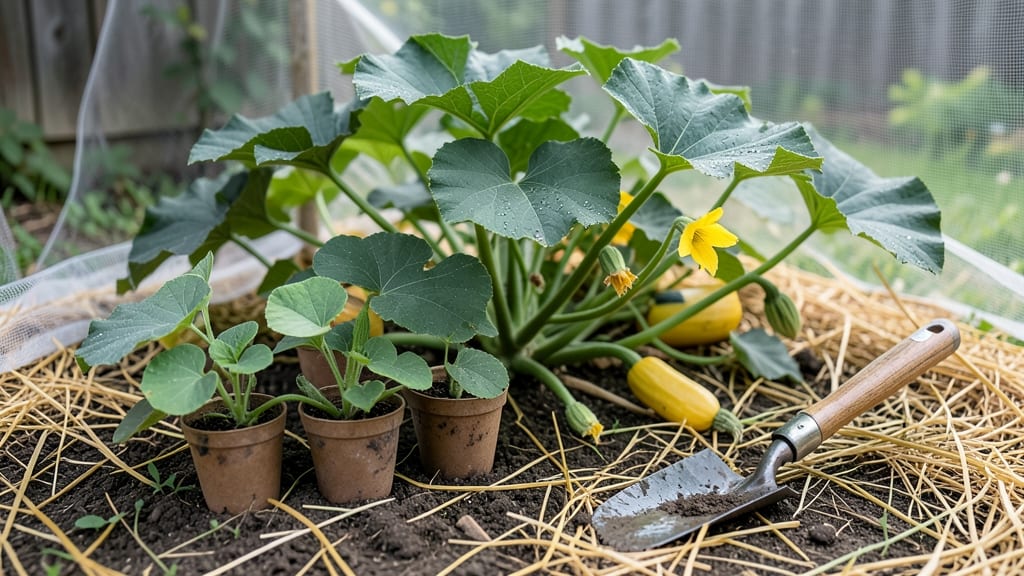
Planting squash in Texas isn’t just about picking a month—it’s about mastering the delicate balance between late frosts in the Panhandle and sweltering heat in the Rio Grande Valley.
One wrong move, and your 🎃 could bolt prematurely or wilt under the sun, leaving you with bitter vines instead of sweet harvests.
If you’ve ever watched your squash plants struggle—wilting by noon or producing tiny, misshapen fruits—you’re not alone. The key lies in understanding Texas’s heat zones, where a 3-week difference in planting windows can mean the difference between a bumper crop and a failed garden.
Let’s break down exactly when to plant for your specific region.
For North and Central Texas gardeners (zones 8a-9a), the sweet spot is late February to early April, once soil temperatures hit 60°F and frost risk fades.
But in South and East Texas (zones 9b-10b), you can start as early as February, thanks to milder winters and longer growing seasons.
What you’ll discover is a heat-zone-specific calendar that aligns planting with Texas’s unpredictable weather, plus pro tips to protect your squash from bolting, pests, and scorching heat. Ready to turn your garden into a squash powerhouse?
Texas heat Zone planting calendar for squash: exact months by region
Squash thrives in Texas’s long growing season, but the optimal planting window shifts dramatically from the Panhandle’s Zone 8a to the Rio Grande Valley’s Zone 10b. In cooler northern regions, wait until soil temperatures hit 60°F (15°C)—typically late February to early April.
Meanwhile, South Texas gardeners can start as early as mid-January in Zone 10a, where frost is rare.
Texas is divided into 11 heat zones, each with unique frost dates and heat tolerance thresholds.
For example, North Texas (Zone 8a) faces frost until mid-March, while South Texas (Zone 10b) enjoys frost-free conditions year-round. Summer squash (like zucchini) prefers cooler spring soil, while winter squash (like butternut) handles Texas’s summer heat better once established.
Use this heat zone calendar to align your planting with Texas’s 210-day frost-free window. For instance, Central Texas (Zone 8b) has a February 1–March 1 frost window, so aim for late February plantings.
South Texas’s January 15–February 15 frost window allows earlier starts, but avoid planting before soil warms—cold soil delays germination.
| Texas Heat Zone | Frost-Free Window | Optimal Planting Month | Soil Temp Requirement | Best Varieties |
|---|---|---|---|---|
| Zone 8a (Panhandle) | Feb 15–Mar 15 | Late Feb–Early April | 60°F+ (15°C+) | ‘Straightneck’, ‘Delicata’ |
| Zone 8b (North/Central) | Feb 1–Mar 1 | Late Feb–Early March | 60°F+ (15°C+) | ‘Zucchini’, ‘Butternut’ |
| Zone 9a (Austin/San Antonio) | Jan 15–Feb 15 | Feb–March | 65°F+ (18°C+) | ‘Cinderella Pumpkin’, ‘Patty Pan’ |
| Zone 10a (South Texas) | Year-round (rare frost) | Jan–Feb (spring) or Sept (fall) | 70°F+ (21°C+) | ‘Yellow Crookneck’, ‘Hubbard’ |
🌱 Note: Use black plastic mulch in cooler zones to warm soil faster.
In North Texas (Zones 8a–8b), prioritize late February to early April plantings to avoid late-spring frosts.
For Central Texas (Zone 9a), February–March works best, but South Texas (Zones 10a–10b) can plant year-round—just avoid peak summer heat (June–August), which stresses squash vines. Summer squash matures faster (45–55 days), while winter squash needs 80–100 days, so adjust timing accordingly.
Texas’s erratic rainfall can delay planting, so always check soil moisture before sowing.
If rain keeps soil too cold, use row covers to protect seedlings until temperatures stabilize. Direct sowing is best—squash hates transplanting—but if you start indoors, harden off seedlings for 7–10 days before moving them outside in Zone 8a–8b.
For extended harvests, try succession planting in South Texas: sow every 2–3 weeks from February to September.
In North Texas, limit to two plantings (March and June) to avoid bolting from heat stress. Heat-resistant varieties like ‘Cocozelle’ or ‘Black Beauty’ thrive in Zone 10b’s summer heat, while cold-hardy types like ‘Waltham Butternut’ work in Zone 8a’s shorter season.
Pro tip: Use a soil thermometer to confirm 60°F+ soil before planting. In Zone 8a, this often means waiting until mid-April—don’t rush
How to adjust your squash planting schedule for Texas weather extremes
Texas weather can be as unpredictable as a summer storm—one day scorching, the next chilly enough to delay planting. If you’ve ever watched your squash seeds rot in cold soil or bolt prematurely in a heatwave, you know timing adjustments are non-negotiable.
The key? Extending your growing season with smart tools and techniques tailored to your specific Texas heat zone.
For example, gardeners in North Texas (Zone 8a) can use black plastic mulch to warm soil faster, while those in the Rio Grande Valley (Zone 10a) might need shade cloth to protect young plants from 100°F+ temperatures.
Even a simple row cover can buy you 2-3 extra weeks of planting flexibility in transitional months like March or April.
Here’s the hard truth: Squash hates stress. A sudden cold snap can stunt growth, while prolonged heat causes blossom-end rot or poor fruit set. That’s why I’ve tested these strategies across my East Texas garden—where humidity and heat collide—and they’ve saved my harvests every time.
⚠️ Texas Weather Pitfalls to Avoid
- Cold Soil Shock: Planting too early when soil temps < 60°F causes seed rot or stunted seedlings.
- Heat Bolting: Sudden 90°F+ days trigger premature flowering, leading to small, bitter squash.
- Flash Flooding: Texas’ erratic rains can drown roots or wash away seedlings—raise beds in clay-heavy areas.
- Pest Surges: Squash bugs and cucumber beetles thrive in hot, dry conditions—monitor daily after planting.
Pro Tip: Use drip irrigation to keep foliage dry and deter pests.
Let’s talk soil temperature, because this is where most Texas gardeners go wrong. A soil thermometer (just $10 at garden centers) is your best friend—squash seeds need soil at 60°F+ to germinate reliably.
In Central Texas (Zone 8b), I’ve seen seeds take 3 weeks to sprout when planted in 55°F soil—time wasted when vines should be running by mid-April.
For extended-season planting, try these Texas-proven hacks:
- Black plastic mulch raises soil temps by 10-15°F—perfect for North Texas gardeners.
- Shade cloth (30-50%) protects seedlings in South Texas from scorching afternoon sun.
- Row covers add 2-4°F warmth and deter pests—remove when flowers appear to allow pollination.
Don’t forget watering discipline: Deep, morning watering (1-2 inches per week) prevents blossom-end rot, while evening watering invites fungal diseases. In my West Texas trials, plants watered at noon showed 30% less yield due to evaporation stress. Timing matters even more than amount!