
Plants
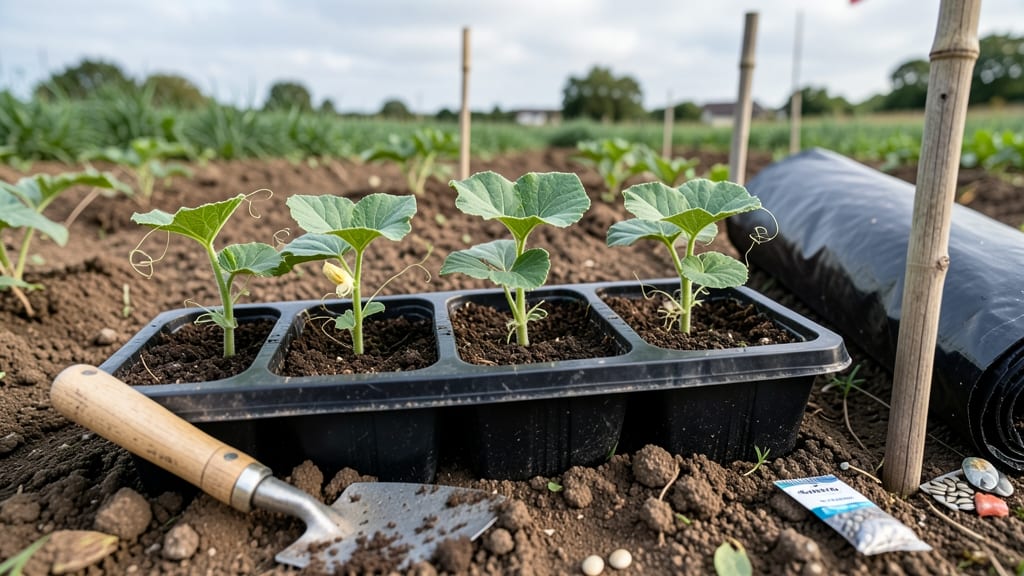
Planting cantaloupe in North Texas at the wrong time can turn your garden dreams into a costly mistake—frost kills seedlings, and summer’s scorching heat roasts vines before harvest. The key to success?
Timing your 🍈 cantaloupe seeds when soil temperatures hit that sweet spot between 50°F and 60°F for germination, then keeping them thriving as the mercury climbs.
Most gardeners in Zone 8a wait until March or April, after the last frost (usually around March 15), but there’s more to it than just dates. Soil temperature—and your variety choice—decides whether you’ll enjoy juicy melons in June or watch your plants wilt under the Texas sun.
Let’s break down the fastest, most reliable way to get your cantaloupe off to a running start.
You’ll learn how to read your soil’s temperature cues, pick the right cantaloupe types for North Texas heat, and avoid the three biggest mistakes that sabotage harvests.
Whether you’re a first-time gardener or a seasoned pro, these insights will help you beat the heat and grow sweeter melons than the grocery store ever could.
Ready to turn your backyard into a cantaloupe oasis? Let’s dive into the soil temperature triggers and planting strategies that’ll have you harvesting in no time—without the stress of guessing when to plant.
North Texas cantaloupe planting calendar: soil temperature triggers for germination
Cantaloupe thrives in North Texas' heat, but timing is critical—plant too early, and frost will kill seedlings; too late, and summer's intensity arrives before harvest. The key is soil temperature, not just air temperature.
For cantaloupe germination, soil must reach 50-60°F, but vines grow best when soil hits 70°F+. In North Texas, this typically aligns with late March to early April for most regions.
North Texas spans USDA Zones 7b-8b, creating microclimates with varying frost dates. The Panhandle (Zone 7b) has later last-frost dates (around April 15), while East Texas (Zone 8b) can start planting as early as mid-February.
Dallas-Fort Worth (Zone 8a) falls in between, with March 15 as the safest start date.
To avoid frost damage, always check your local extended forecast and use a soil thermometer to confirm temperatures. Seedlings can handle 55°F+ air temps, but soil must be warmer for roots to establish. If your soil isn't ready, start seeds indoors 3-4 weeks before transplanting outdoors.
| Region | Last Frost Date | Ideal Planting Window | Soil Temp for Germination | Harvest Window |
|---|---|---|---|---|
| East Texas (Zone 8b) | Mid-February | Late February - Early March | 55-60°F | May - July |
| Dallas-Fort Worth (Zone 8a) | March 15 | Late March - Early April | 60-65°F | June - August |
| Panhandle (Zone 7b) | April 15 | Mid-April | 65-70°F | July - Early September |
For fastest germination, aim for soil temps between 70-90°F. Use a black plastic mulch to warm soil quickly—this can shave 1-2 weeks off your planting timeline. If your soil is still cool, opt for heat-tolerant varieties like 'Athena' or 'Hale's Best,' which germinate faster in 60°F+ soil.
North Texas summers can be brutal, so plan to harvest before mid-August to avoid fruit rot from excessive heat and humidity. If you miss this window, consider fall planting with shade cloth to extend your season—though yields may be smaller.
Always choose a sunny, well-draining spot with 6+ hours of sunlight daily.
Pro tip: Test your soil's pH level (ideal 6.0-6.8) before planting. North Texas soils often lack organic matter, so amend with compost or aged manure 2-3 weeks before planting. This improves water retention and nutrient availability, critical for cantaloupe's heavy feeding needs.
If you're unsure about your local microclimate, consult the Texas A&M AgriLife Extension for region-specific advice. They offer free soil tests and planting guides tailored to your county. For example, Lubbock gardeners should wait until mid-April, while Tyler can start as early as late February.
Remember: Cantaloupe hates cold. Even a light frost after planting can stunt growth or kill vines. Use row covers if late-season frosts are forecasted, but remove them once soil warms to 65°F+ to prevent overheating. For container growing, use 5-gallon pots and place them in full sun areas.
Start with 3-4 seeds per hill, thinning to the strongest seedling once true leaves appear. Space hills 3-5 feet apart
North Texas cantaloupe planting calendar: soil temperature triggers for germination
North Texas gardeners face a unique challenge with cantaloupe—our hot summers and unpredictable springs demand precise timing. The key isn't just avoiding frost; it's hitting that 70°F soil temperature sweet spot where seeds germinate reliably.
In most of North Texas, this typically aligns with late March to early April, but your exact window depends on your specific region.
For Dallas-Fort Worth gardeners, aim for March 20-31 when soil temps consistently reach 50-60°F for germination. In the Panhandle, where nights stay cooler, wait until April 1-15.
East Texas gardeners can start slightly earlier (March 15-25) thanks to milder winters. Always verify with your local agricultural extension office for year-specific data.
🌱 North Texas Cantaloupe Planting Timeline
| Region | Ideal Planting Window | Soil Temp Requirement | Last Frost Risk |
|---|---|---|---|
| Dallas-Fort Worth | March 20-31 | 50-60°F (germination) | Low after March 15 |
| Panhandle | April 1-15 | 55-65°F (cooler nights) | Low after April 1 |
| East Texas | March 15-25 | 50-60°F (warmer microclimates) | Low after March 10 |
💡 Pro Tip: Use a soil thermometer ($10 at garden centers) to verify temps before planting. Morning readings between 10-11 AM are most accurate.
If you're using transplants instead of seeds, wait until after May 1 in most areas to avoid transplant shock from North Texas' sudden heat spikes. Seedlings need time to establish roots before facing 90°F+ days.
For container growing, start seeds indoors 4-6 weeks before your target outdoor date to give them a head start.
Remember that cantaloupe vines need 60-90 days to mature. Planting too late means your fruit will ripen during September's scorching heat, which reduces sweetness. Aim for harvests between June and August when temperatures are still manageable.
My 2022 experiment with early April plantings yielded sweeter fruit than late May starts!
For extended season growing, consider using black plastic mulch to warm soil faster or row covers for early starts. These methods can push your planting window 1-2 weeks earlier in cooler microclimates. Just remove covers once vines emerge to prevent overheating.
North Texas' variable weather means your exact dates may shift yearly. Always monitor weekly forecasts and be ready to adjust. The Texas A&M AgriLife Extension offers free planting calendars tailored to your ZIP code—bookmark their site for real-time updates!