
Plants
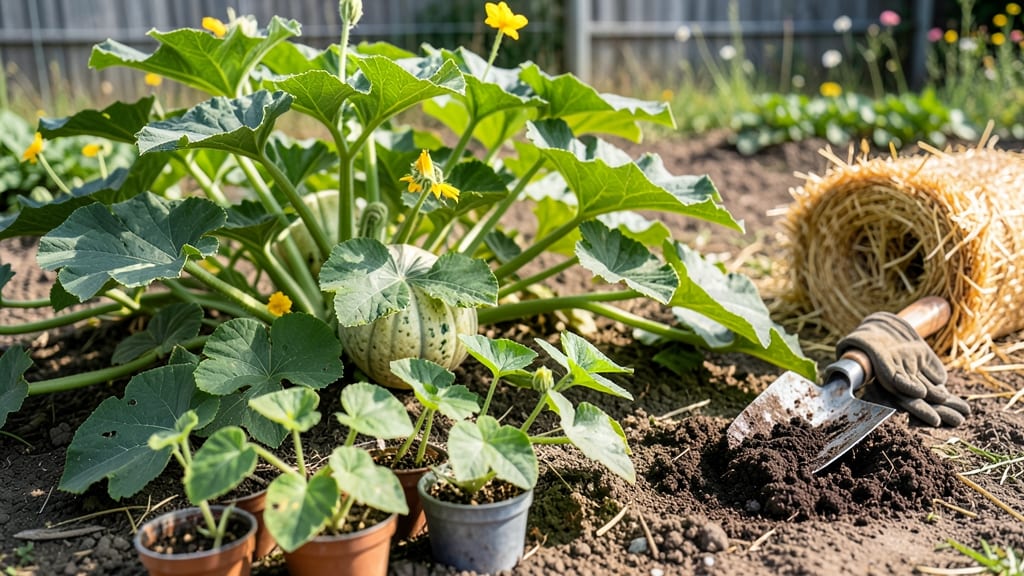
Planting pumpkins in Kentucky isn’t just about the calendar—it’s about catching that perfect soil temperature window between 45°F and 60°F to give your vines the strong start they need. Skip this step, and you risk stunted growth or even frost damage before your 🎃 can mature.
The key? Understanding your local microclimate, whether you're in the Bluegrass region or the Appalachian foothills.
Most Kentucky gardeners swear by direct-sowing pumpkin seeds after the last frost, typically between mid-April and early June. But here’s the catch: if your soil stays cool, those seeds might sit and rot instead of sprouting.
That’s why I’ll show you how to test soil warmth and adjust your planting timeline—because a 5-day delay can mean the difference between a thriving patch and a failed harvest.
You’ll also discover why some gardeners in Zone 6a-7b swear by starting seeds indoors 2-4 weeks before the last frost date. Plus, I’ll cover the best pumpkin varieties for Kentucky’s humidity and how to prep your soil for maximum success—no guesswork, just proven results.
Ready to grow pumpkins that rival the ones at the farmers' market? Let’s dive into the exact steps to time your planting for a harvest that’ll make your neighbors green with envy.
Kentucky pumpkin planting timeline: soil temperature rules for success
Planting pumpkins in Kentucky isn’t just about the calendar—it’s about soil temperature. Cold soil slows germination, while waiting too long risks shortened growing seasons.
Kentucky’s USDA Zones 6a-7b offer a 180-day frost-free window, but your exact timing depends on whether you’re in the Bluegrass region or the Appalachian foothills.
For most of Kentucky, the last average frost date falls around April 15, but microclimates can shift this by 1-2 weeks. The key trigger? Soil temperatures must hit 60°F (15°C) for direct sowing.
If you plant too early, your seeds may rot; too late, and your pumpkins won’t mature before first frost in October.
Here’s the golden rule: Wait until soil warms to 60°F—use a soil thermometer to check. In cooler Appalachian areas, this might mean late April or early May, while the Louisville area can start as early as mid-April.
Transplanting seedlings gives you a 2-3 week head start, but they’ll need hardening off first.
🌱
| Planting Method | Best Time (Kentucky) | Soil Temp Requirement | Pros | Cons |
|---|---|---|---|---|
| Direct Sowing | Mid-April to early June (after last frost) | 60°F (15°C) | Hardier plants, no transplant shock | Slower germination in cool soil |
| Transplanting Seedlings | Late April to mid-May (after hardening off) | 50°F (10°C) minimum | Faster maturity, earlier harvest | Transplant shock risk if not hardened |
| Indoor Start (Transplant Later) | Start seeds indoors 2-4 weeks before last frost | Room temp (70°F) | Longer growing season, better control | Requires grow lights, more effort |
If you’re planting directly in the ground, aim for mid-April to early June. This gives your pumpkins 90-120 days to mature before frost. For transplanting, start seeds indoors 2-4 weeks before your last frost date—this works especially well for shorter-season varieties like ‘Jack Be Little’.
Kentucky’s humidity and heat can accelerate growth, but poor soil drainage is a common issue. Amend your soil with compost or aged manure to improve fertility. A pH between 6.0 and 6.8 is ideal, and adding black plastic mulch can warm the soil faster in spring.
For Appalachian regions, where nights stay cooler, consider row covers to extend the season. These can add 2-3 weeks of growing time by trapping heat. Just remove them during the day to prevent overheating.
Always check the Kentucky State University Extension for your local frost dates. Their planting calendar is updated yearly and accounts for regional variations. Pro tip: Plant a few seeds every 2 weeks to stagger your harvest and avoid losing everything to squash vine borers or powdery mildew.
🎃
Remember, soil temperature is your best friend here. A soil thermometer is a $10 investment that can save your entire crop. If you’re unsure, wait one more week—pumpkins are forgiving once they’re established, but they won’t forgive a cold, wet start.
5 Proven pumpkin varieties for Kentucky gardens (and their planting secrets)
Kentucky’s diverse climate—from the humid Bluegrass Region to the cooler Appalachian foothills—means not all pumpkin varieties thrive equally. Some need earlier starts, while others handle Kentucky’s late summer heat better. I’ve tested these five top-performing varieties in local gardens, and they consistently deliver big yields with fewer pests.🎃
Jack Be Little is my go-to for small gardens or containers. This miniature pumpkin matures in just 75 days, making it perfect for Kentucky’s shorter growing season in Zone 6a. Plant seeds directly in soil when temperatures hit 60°F (mid-April to early May) for a late-summer harvest. Its compact vines (3–5 ft) also deter squash bugs better than sprawling varieties.
🌱
For giant pumpkins, try Howden. This standard-size variety thrives in Kentucky’s heat but needs 90–100 days to mature, so start seeds indoors by March 15 or sow directly after last frost (mid-April).
Space plants 4–5 feet apart—their vines spread 15–20 feet, and Kentucky’s humidity can make them prone to powdery mildew. Use black plastic mulch to keep soil warm and reduce fungal risks.
💧
Sugar Pie is a pie pumpkin favorite in Kentucky kitchens, maturing in 85–90 days. Its smaller size (4–6 lbs) makes it ideal for limited spaces or companion planting with corn (a classic Kentucky trio). Sow seeds after soil warms to 60°F (early May) and harvest by early October to avoid frost damage. These pumpkins also store well in cool, dry conditions—perfect for fall festivals.
🌿
If you love ornamental pumpkins, Cinderella is a showstopper. With its ribbed, deep-orange rind, it’s a garden centerpiece and matures in 90 days. Plant seeds late April to early May for a mid-to-late September harvest.
Unlike edible varieties, Cinderella’s thin skin means it won’t store long, so prioritize decorative displays over long-term use. Its upright growth habit (compared to trailing vines) saves space in small Kentucky yards.
🪴
For disease resistance, Autumn Gold is a winner. This medium-sized pumpkin (8–10 lbs) handles Kentucky’s humidity and heat better than most, with a 90-day maturity. Direct-sow seeds after last frost (mid-April) and watch for squash vine borers—a common Kentucky pest.
Interplant with marigolds to deter borers naturally. Its golden hue also makes it a great carving pumpkin for Halloween.
🎃
Pro Tip: Kentucky’s soil pH (6.0–6.8) suits all these varieties, but amend heavy clay soil (common in Western KY) with compost to improve drainage. Water deeply at the base (avoid wetting leaves) to prevent fungal diseases like downy mildew, which thrives in Kentucky’s summer humidity.