
Plants
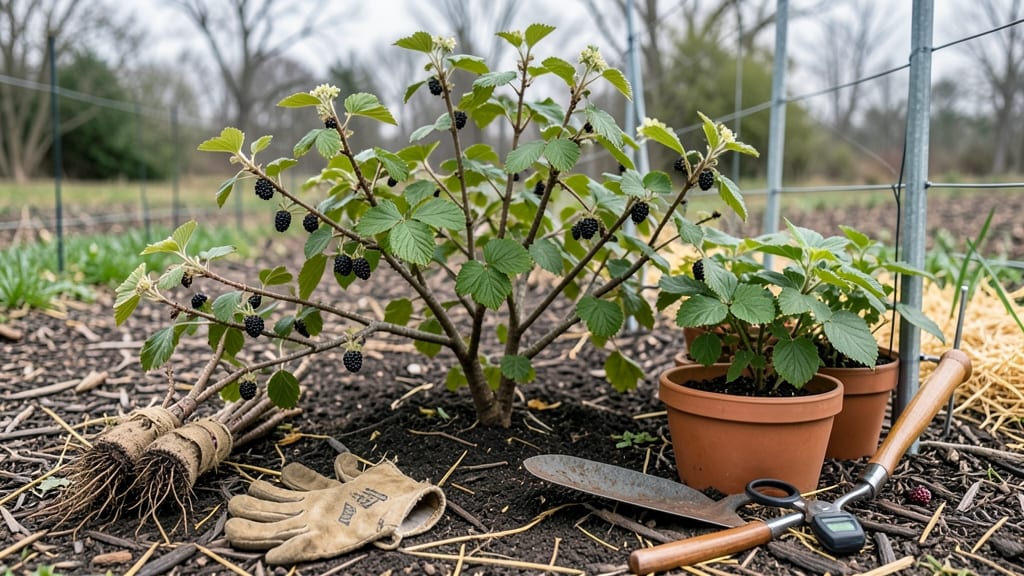
Planting blackberries in Tennessee at the wrong time can mean the difference between a thriving 🫐 harvest and struggling canes that never fully establish. The key isn't just picking a season—it's understanding when your soil warms enough to support root growth and when frost risks disappear.
Most gardeners in USDA Zones 6a-7b focus on late winter to early spring (February-March) or fall (September-October), but without checking soil temperatures, you might plant too early and risk frost damage—or too late and stress young roots.
I'll show you exactly how to time it right for your specific variety and microclimate.
We'll cover the critical soil temperature triggers (50°F+) that signal it's safe to plant, plus how to adjust for Tennessee's regional differences—whether you're in the cooler mountains or warmer valleys. You'll also learn why some blackberry varieties demand earlier planting than others.
By the end, you'll have a clear planting schedule tailored to your Tennessee location, plus pro tips to ensure your blackberries take root strong and produce fruit for years. Let's get those canes in the ground at the perfect moment!
Optimal planting windows for Tennessee blackberries by soil temperature
Timing your blackberry planting in Tennessee isn’t just about checking a calendar—it’s about soil temperature and regional microclimates. The ideal window opens when soil reaches 50°F (10°C), signaling roots can establish before summer heat stress.
In most of Tennessee’s USDA Zones 6a-7b, this falls between late February and early April, but East Tennessee’s cooler mountains may delay planting by 2-3 weeks.
For bare-root canes, aim to plant as soon as soil is workable—typically 2-4 weeks before your last frost date.
In West Tennessee’s warmer valleys, you might start as early as mid-February, while East Tennessee gardeners often wait until late March to avoid late frosts. Container-grown plants offer more flexibility but still need 50°F+ soil for root success.
🌱 Pro Tip: Use a soil thermometer to verify readiness—planting too early in cold soil can stunt root growth. If soil stays below 50°F past April 15th, consider delaying until late spring or opting for fall planting (September-October) when soil cools.
| Planting Window | Soil Temp Requirement | Tennessee Region | Risk if Delayed |
|---|---|---|---|
| Late February - Early March | 50°F+ (10°C+) | West TN (Warmer Valleys) | Heat stress by May |
| Mid-March - Late March | 50°F+ (10°C+) | Middle TN (Nashville) | Moderate frost risk |
| Late March - Early April | 50°F+ (10°C+) | East TN (Cooler Mountains) | Late frost damage |
| September - October | 60°F+ (15°C+) | All Regions | Weaker root establishment |
If you miss the spring window, fall planting (September-October) is your next best option—just ensure soil stays above 60°F (15°C) for 4-6 weeks post-planting. East Tennessee’s higher elevations may need to wait until late September to avoid early frosts, while West Tennessee gardeners can plant as late as mid-October.
💧 Soil Prep Checklist: Before planting, amend soil with compost to improve drainage (blackberries hate soggy roots) and test pH (5.5-6.5). Work in 1-2 inches of organic mulch after planting to retain moisture and suppress weeds—critical in Tennessee’s hot summers.
One common mistake? Planting bare-root canes too early when soil is still cold. Roots stay dormant until soil warms, wasting precious growing time. Container plants adapt better to temperature swings but still need 50°F+ soil.
For thornless varieties like 'Natchez', err on the earlier side (late February) since they’re less cold-hardy.
🌡️ DIY Soil Test: Bury a thermometer 2-3 inches deep in a shady spot for 24 hours. If it reads below 50°F, wait 1-2 weeks or plant in containers until soil warms. West Tennessee’s clay soils warm faster than East Tennessee’s rocky loam, so adjust timing accordingly.
For maximum first-year yields, align planting with soil temperature and regional frost dates.
In Nashville (Zone 7a), aim for March 1-15; in Chattanooga (Zone 7b), wait until March 15-April 1. Fall plantings should wrap up by October 15th to allow roots to establish before winter.
Optimal planting windows for Tennessee blackberries by soil temperature
Tennessee’s USDA Zones 6a-7b offer two prime windows for planting blackberries: late winter/early spring (February-March) and fall (September-October). But timing isn’t just about the calendar—soil temperature is your real deadline. Blackberries need 50°F+ soil to thrive, and planting too early risks frost damage while waiting too long stresses young roots.
In East Tennessee’s cooler microclimates (e.g., Knoxville), aim for March 15-April 15 when soil warms consistently. Middle Tennessee (Nashville) can start as early as February 20, while West Tennessee’s warmer zones (Memphis) may push planting to April 1 without risk.
Always check a soil thermometer—a $10 tool that saves your investment.
DIY soil readiness test: Dig 6 inches deep, then press moist soil—it should hold shape but crumble when squeezed. If it’s cold or waterlogged, wait. Pro tip: Black plastic mulch warms soil by 5-10°F faster than bare ground, letting you plant 2-3 weeks earlier.
For fall planting, Tennessee’s September-October window lets roots establish before winter. Focus on Zone 7b areas (e.g., Chattanooga) where first frosts arrive October 15-November 1. Plant 6-8 weeks before frost—earlier in mountains, later in valleys. Avoid November plantings; roots won’t harden before cold snaps.
| Season | Tennessee Regions | Soil Temp Requirement | Planting Deadline |
|---|---|---|---|
| Spring | East TN (Zones 6a-6b) | 50°F+ | March 15-April 15 |
| Spring | Middle TN (Zone 7a) | 50°F+ | February 20-March 30 |
| Spring | West TN (Zone 7b) | 50°F+ | March 1-April 1 |
| Fall | All Regions | 50°F+ | September 1-October 15 |
Heat stress is a hidden enemy: planting after April 15 in spring risks 90°F+ soil, which burns tender roots. Watch for wilting leaves or yellowing canes—signs your timing was off. Container-grown plants adapt faster than bare-root; transplant them when soil hits 55°F for 3+ days.
My top pro tip: Mulch immediately after planting with 3-4 inches of straw. This keeps soil temps stable, retains moisture, and blocks weeds—critical in Tennessee’s humid summers. Skip this step, and you’ll spend all summer playing catch-up with irrigation and pests.