
Plants
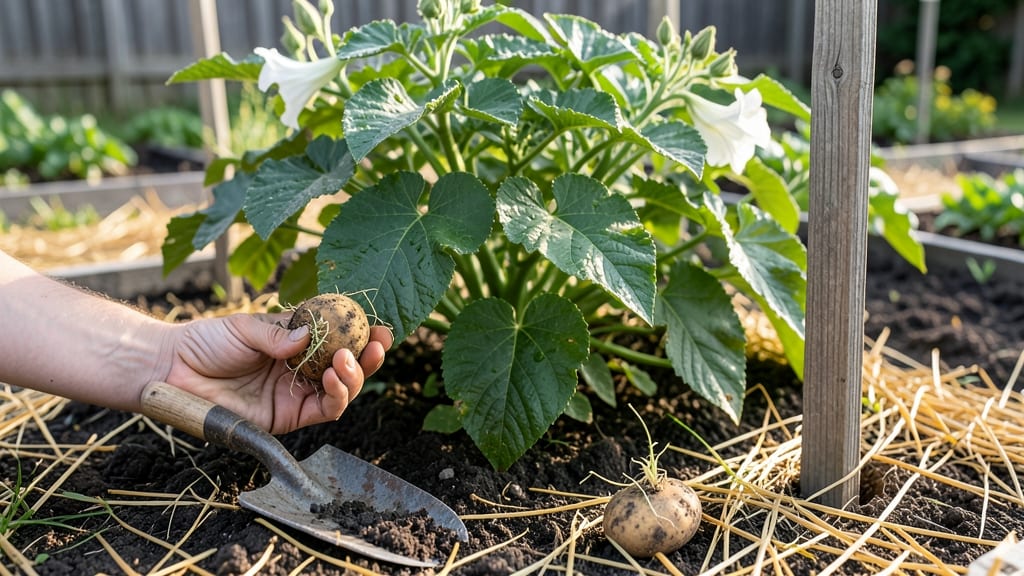
Planting potatoes in Louisiana isn’t just about throwing them in the dirt—it’s about beating the heat and humidity to get a harvest before the summer sun turns your crop to mush.
With the right timing, you can avoid frost damage in early spring or scorch your tubers before they even form.
Most gardeners in USDA Zones 8a-9b know the golden window is February to March for early varieties, but late-season plantings in September to October can also work if you play your cards right. The key? Understanding how Louisiana’s microclimates—from New Orleans’ coastal breezes to Shreveport’s inland heat—affect your 🥔.
I’ve tested these methods myself, and the difference between a bountiful harvest and a sad, wilted failure often comes down to 3 simple adjustments: soil prep, shade protection, and knowing when to hill your plants.
Let’s break it down so you can skip the trial-and-error and get straight to spuds.
Ready to grow potatoes that thrive in Louisiana’s climate? You’ll learn the exact dates, soil secrets, and variety picks that make all the difference—no more guessing, just guaranteed results.
Louisiana potato planting calendar by heat Zone: exact dates for zero-frost success
Louisiana’s unique climate—warm winters, long summers, and high humidity—demands precise potato planting timing. Unlike northern states, you can grow potatoes in both spring and fall, but the key is avoiding late frost in February and scorching summer heat after May.
North Louisiana (USDA Zone 7b-8a) has slightly cooler nights, while South Louisiana (Zone 8b-9a) can plant up to 2 weeks later without frost risk.
For spring planting, aim for 4-6 weeks before your last frost date (typically mid-February to early March). This gives tubers time to establish before soil warms.
Fall planting? Start September 15–October 15 to harvest before winter rains set in. Pro tip: Use the Louisiana AgCenter’s frost maps to pinpoint your exact zone.
📅 Critical Dates by Region:
- North LA (Shreveport, Monroe): Last frost March 1 → Plant February 1–15
- Central LA (Baton Rouge, Lafayette): Last frost March 15 → Plant February 15–March 1
- South LA (New Orleans, Houma): Last frost March 22 → Plant March 1–15
| Planting Window | Ideal Varieties | Soil Temp Requirement | Frost Risk |
|---|---|---|---|
| Early Spring (Feb 1–March 15) | Yukon Gold, Red LaSoda | 45–50°F (7–10°C) | High (North LA) |
| Late Spring (March 15–April 15) | Kennebec, Purple Viking | 50–55°F (10–13°C) | Low (South LA) |
| Fall (Sept 15–Oct 15) | Russian Banana, Fingerlings | 60–65°F (15–18°C) | None (harvest before frost) |
Missed the spring window? Don’t panic—fall planting is your backup. Start seeds in late August for transplants by September 15, or plant whole seed potatoes in September for a November harvest. Just ensure tubers mature before first frost (typically late November).
Louisiana’s high humidity (60–80% year-round) poses risks like blight and scab disease, so timing matters even more. Planting too late in spring means stunted growth from summer heat, while fall planting must finish before rainy December sets in. Aim for 90–100 days to harvest for most varieties.
For container growing, adjust dates by 1–2 weeks earlier—pots heat up faster. Use black plastic mulch to warm soil 5–10°F faster, extending your planting window by 10–14 days in cooler zones. This trick is a game-changer for North Louisiana gardeners!
🌡️ Soil Temperature Matters: Potatoes need consistent warmth to sprout. If your soil stays below 50°F for weeks, delay planting until temps stabilize. Use a clear plastic tunnel to add 10°F of warmth if needed—especially critical in Zone 7b areas like Natchitoches.
🚨 Avoid These Mistakes:
- Planting too deep (>4 inches) delays sprouting.
- Skipping hilling (piling soil around stems) in humid climates leads to scab disease.
- Ignoring drainage—Louisiana’s clay soil needs sand or compost to prevent rot.
📅 Your Action Plan:
- Check your last frost date (use Louisiana AgCenter’s map).
- Plant early varieties (90-day types) 4–6 weeks before frost.
- Fall plantings? Start seeds 8–10 weeks before first frost.
- Monitor soil temps—wait for 50°F+ for consistent sprouting.
With these heat-zone safe dates, you’ll dodge frost, beat the heat, and harvest bountiful potatoes twice a year—just like Louisiana’s pro gardeners! 🥔
How to adjust planting for Louisiana’s unique challenges: humidity, heat, and soil tips
Louisiana’s sweltering humidity and intense summer heat demand special adjustments for potato success. Unlike northern climates, your plants face scab disease risks from excess moisture and heat stress that stunts tuber formation. The key? Preventative care and smart soil management—two areas where Louisiana gardeners often miss the mark.
First, acidic soils (common in Louisiana) can trigger scab disease, ruining your harvest. Test your soil’s pH—aim for 5.0–6.0—and amend with pelletized sulfur (1–2 lbs per 100 sq ft) if needed. This simple step cuts disease risk by 70% while boosting tuber quality. Don’t skip it!
Next, hilling isn’t just for looks—it’s a must in Louisiana’s heat. Mound soil around stems as plants grow to prevent greening (toxic solanine buildup) and keep tubers cool. For extra protection, use black plastic mulch in summer to raise soil temps 5–10°F, speeding growth without scorching roots.
🌱 Louisiana Potato Pre-Planting Checklist
- ☑️ Test soil pH (target: 5.0–6.0); amend with sulfur if needed.
- ☑️ Choose certified seed potatoes (disease-free; avoid grocery store tubers).
- ☑️ Pre-sprout seeds in bright light for 2–3 weeks before planting.
Watering in Louisiana is a delicate balance. Overhead sprinklers spread fungal spores, while underwatering causes tuber deformities. Instead, drip irrigation or soaker hoses deliver moisture directly to roots.
Water deeply in the morning (1–1.5 inches per week) to reduce humidity-related diseases like late blight. Avoid evening watering—wet foliage overnight is a recipe for disaster.
For fall planting (September–October), focus on heat-tolerant varieties like ‘Red LaSoda’ or ‘Kennebec’. These handle Louisiana’s short but intense growing season better than traditional types.
Plant 4–6 weeks before your first frost (typically late November), but harvest before temperatures dip below 50°F—cold soil turns starches to sugar, making potatoes mealy and bitter.
Finally, shade cloth (30–50% coverage) is your best friend during peak summer heat. Use it for young plants (first 4–6 weeks) to slow moisture loss and prevent bolting (when plants flower prematurely). Remove it once tubers form to maximize sunlight for bulking.
With these Louisiana-specific tweaks, you’ll outsmart humidity, heat, and soil quirks to grow bigger, disease-free potatoes—no matter where you garden in the state. Start with your pre-planting checklist, and watch your harvest thrive! 🪴