
Plants
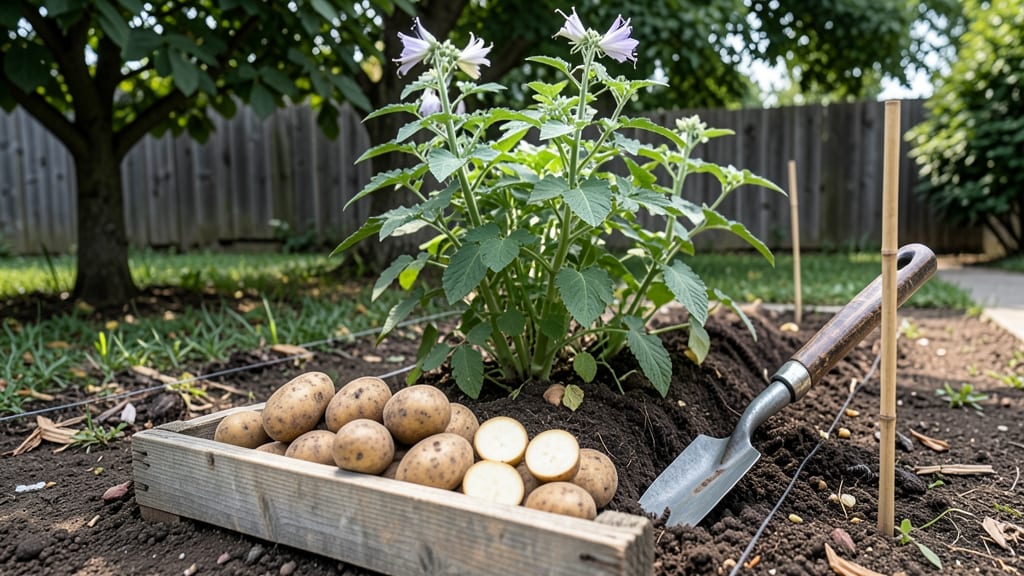
Planting fall potatoes in Louisiana isn’t just about timing—it’s about beating the clock before those first chilly nights roll in. With the right schedule, you can harvest crisp, zero-frost potatoes right through winter, turning your garden into a year-round treasure trove.
The key? Starting 8-12 weeks before your area’s first frost, usually between mid-August and early September, depending on your heat zone.
Louisiana’s humid climate and warm soil make it perfect for fall potatoes, but the trick is avoiding early frosts that can turn your harvest into a soggy mess. I’ve learned the hard way—skipping the right prep means wasted effort.
Whether you’re in New Orleans or Shreveport, we’ll break down the exact planting windows and soil secrets to keep your 🥔 thriving until December.
You might think all potatoes are created equal, but Louisiana’s heat and humidity demand the right varieties—like cold-hardy ‘Yukon Gold’ or disease-resistant ‘Red Pontiac.’ Plus, we’ll cover how organic mulch and row covers can stretch your harvest even longer. Ready to turn your fall garden into a potato powerhouse?
Let’s dive into the step-by-step schedule, soil tweaks, and variety picks that’ll have you digging up perfect spuds all season long. No more guessing—just proven results for Louisiana gardeners.
Louisiana heat-zone planting schedule for fall potatoes (with frost-free deadlines)
Louisiana's USDA zones 9a-10b give gardeners a rare advantage: two potato-growing seasons. For fall potatoes, timing is critical to avoid light frosts (common in late November) while maximizing yields before winter.
The key window is 60-90 days before first frost, which varies by region—New Orleans (zone 9a) has later deadlines than Shreveport (zone 8a).
Most Louisiana gardeners target mid-August to early September for planting, but your exact deadline depends on your microclimate. Coastal areas can plant 2-3 weeks later than inland zones due to heat retention near water bodies.
Always check your local frost-free date (typically November 15-30 in most areas) and count backward.
Soil temperature is non-negotiable for fall potatoes. Aim for 50-60°F at planting—warmer than spring soil. In Louisiana, this usually means waiting until late August in northern zones, but early August works in southern parishes like Lafayette or Houma. Use a soil thermometer to confirm before planting.
Here’s your heat-zone planting schedule with frost-free deadlines and ideal soil temps for Louisiana’s most common growing regions:
Pro tip: If you’re in a transition zone (like the Florida Parishes), err on the earlier side—cooler air can sneak in faster near water. For container growing, plant 2 weeks earlier since pots cool faster. Always use black plastic mulch to retain heat in fall beds.
Missed the window? Don’t panic. Louisiana’s mild winters often allow late September plantings if you use row covers (like floating row covers) to protect tender shoots. Just expect smaller yields and prioritize new potatoes over storage varieties.
For zero-frost harvests, aim to plant by your region’s last planting date and use cold-hardy varieties like ‘Yukon Gold’ or ‘Red Pontiac’. These can tolerate light frosts (28-30°F) without damage, giving you crisp potatoes well into December or January.
Always monitor your local weather forecasts in late October—sudden cold snaps can push frost dates 2 weeks earlier. In my Zone 9a garden, I’ve had to rush harvests in early November after unexpected 30°F nights, so stay flexible!
5 Critical factors that determine your fall potato planting success in Louisiana
Fall potatoes thrive in Louisiana’s warm soil and extended growing season—but only if you nail these 5 critical factors. Skipping even one can mean stunted tubers, disease outbreaks, or early harvest failures. Let’s break down what truly matters beyond just planting dates.
First, soil pH between 4.8 and 5.5 is non-negotiable for Louisiana potatoes. Our humid climate breeds fungal diseases like late blight, and acidic soil keeps them at bay. Test your soil now—if it’s higher than 6.0, amend with sulfur or peat moss before planting.
| Factor | Louisiana-Specific Requirement | Why It Matters |
|---|---|---|
| Soil pH | 4.8–5.5 (test & amend) | Prevents fungal diseases in humidity |
| Drainage | Raise beds or add sand | Clay soil = rotten tubers |
| Companion Plants | Marigolds (pest control) | Repels Colorado potato beetles |
| Mulch Type | Straw (not leaves) | Insulates roots from night temps |
| Row Covers | Floating covers for Dec harvests | Extends season 2–3 weeks |
Next, drainage is your secret weapon against Louisiana’s infamous clay soil. If water pools after rain, your tubers will rot before they ripen. Amend beds with coarse sand or compost, or plant in raised beds. Even a 6-inch elevation can prevent 90% of drainage issues.
Don’t underestimate companion planting—especially in humid climates. Marigolds are your best allies, repelling Colorado potato beetles and masking potato scents from pests. Avoid planting near tomatoes or cabbage, which compete for nutrients and attract shared pests.
For harvest extension through December, use floating row covers to trap heat during cool nights. In Zone 9a (New Orleans), this can add 2–3 extra weeks of harvest time. Just remove covers during the day to prevent overheating—potatoes need 60–75°F soil temps to thrive.
Finally, mulching with straw (not grass clippings) insulates roots from Louisiana’s warm nights and cool mornings. A 4-inch layer keeps soil temps stable and reduces watering needs by 30%. Just avoid piling mulch against stems to prevent rot.