
Flowers
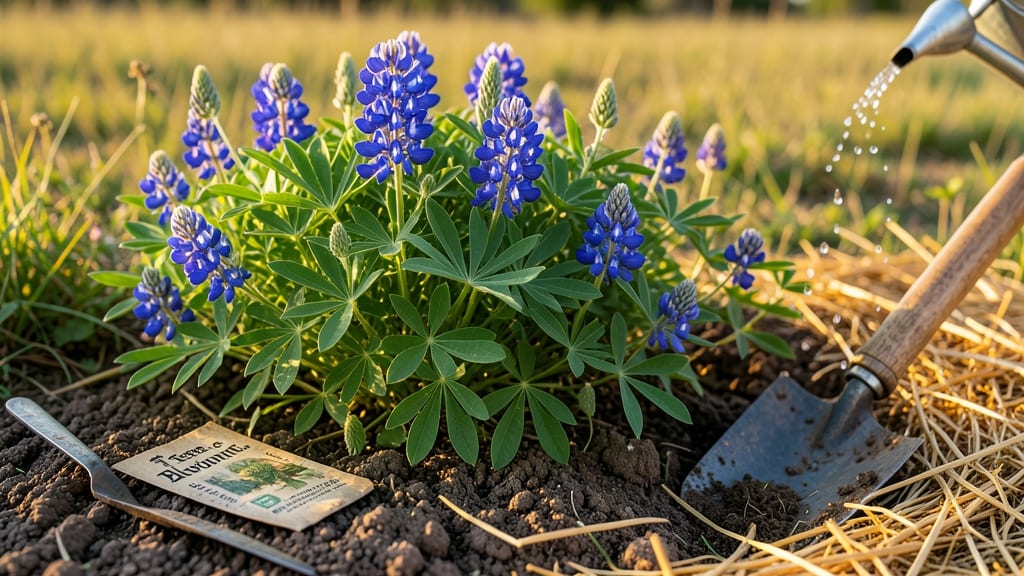
Planting your Flowers 🌸 at the wrong time in North Texas can mean the difference between a showstopping garden and a sad, wilted disappointment. With USDA Zone 8a frost dates that shift unpredictably, knowing exactly when to plant is the secret to vibrant blooms all season.
I’ve learned the hard way—skipping the frost charts and rushing spring planting left my Flowers struggling in late freezes. The best window? Late winter to early spring (February–March) and early fall (September–October), when soil warms just enough to encourage strong roots before summer’s brutal heat.
This isn’t just about throwing seeds in the ground—it’s about matching your Flowers to North Texas’s quirks: clay soil, sudden heatwaves, and those sneaky late frosts. I’ll show you how to time it perfectly for everything from bluebonnets to salvias, so your garden thrives instead of just surviving.
Ready to turn your yard into a blooming paradise? Let’s dive into the exact months, soil prep, and watering tricks that’ll make your Flowers the envy of the neighborhood.
North Texas frost dates & heat zones: critical planting windows by flower type
North Texas falls primarily in USDA Zones 7b and 8a, where frost dates dictate when to plant flowers for maximum success. The average last frost date hovers around February 15, while the first frost typically arrives by November 15.
These dates create a 215-day growing season—perfect for cool-season bloomers in spring and heat-tolerant varieties in fall.
Understanding your heat zone helps you choose flowers that thrive in North Texas' hot summers (90°F+) and mild winters (30°F-50°F). For example, zinnias and salvias love the heat, while pansies and snapdragons prefer cooler temperatures. Planting at the wrong time can lead to stunted growth or total crop failure.
Annual flowers like marigolds and petunias need to be sown after the last frost, while perennials such as black-eyed Susans can handle transplanting in early spring or fall. Even native Texas wildflowers, like bluebonnets, have specific timing needs to ensure they bloom vibrantly.
Here’s how to align your planting with North Texas’ climate for blooms all season long:
For summer-blooming flowers, focus on heat-tolerant varieties like zinnias, which thrive in 90°F+ temperatures. These plants benefit from deep watering (1-2 inches per week) and morning watering to prevent fungal issues. In contrast, cool-season flowers like pansies prefer partial shade in summer and full sun in cooler months.
North Texas’ clay soil can also impact planting success. Amend your soil with compost or organic matter to improve drainage and fertility. This is especially critical for container gardening, where soil dries out faster. Use well-draining potting mix and add mulch to retain moisture.
Pro tip: Use a planting calendar to track frost dates and adjust for microclimates in your yard. For example, elevated areas may frost earlier than low-lying spots. Monitor local weather forecasts and use frost cloth for added protection if needed.
By aligning your planting schedule with North Texas’ frost dates and heat zones, you’ll enjoy continuous blooms from spring through fall. Start with cool-season flowers in February, transition to heat-lovers in April, and plant fall perennials in September for a garden that stays vibrant all year.
Best flowers to plant by month in North Texas: a month-by-month guide
North Texas gardeners have two prime planting seasons: spring and fall. Each month offers unique opportunities, from frost-hardy cool-season bloomers to heat-tolerant summer stars. Let’s break down the best flowers to plant each month to maximize your garden’s beauty.
For February, focus on cool-season annuals like pansies and snapdragons, which thrive in 50-60°F soil. These flowers handle light frosts and bloom early, brightening up your garden before summer heat arrives. Transplant perennial starts like salvia and black-eyed Susans if your soil is workable.
March is the sweet spot for planting spring-blooming flowers. Sow zinnias, marigolds, and cosmos directly into the garden after the average last frost date (February 15). These sun-loving annuals will flourish in North Texas’s hot summers and provide continuous color.
- February: Pansies, snapdragons, calendula (cool-season annuals)
- March: Zinnias, marigolds, cosmos, lantana (spring annuals)
- April: Black-eyed Susans, gaillardias, salvias (perennials)
- September: Mums, aster, pansies (fall bloomers)
- October: Sweet alyssum, dianthus, carnations (cool-season favorites)
April is perfect for perennial flowers like bluebonnets (Texas’s state flower) and coneflowers. These drought-tolerant plants thrive in North Texas’s clay soil and hot summers. If you missed the spring window, late April is still safe for heat-loving annuals like portulaca and verbena.
Don’t overlook fall planting! September is ideal for mums and asters, which bloom in cool weather and handle light frosts. These flowers establish roots before winter, giving you early spring color. October is your last chance to sow cool-season annuals like sweet alyssum and dianthus.
Timing is key—plant annuals after the last frost for spring blooms, and perennials in early fall to avoid summer heat stress. With this month-by-month guide, your North Texas garden will burst with color all year round! 🌼