
Plants
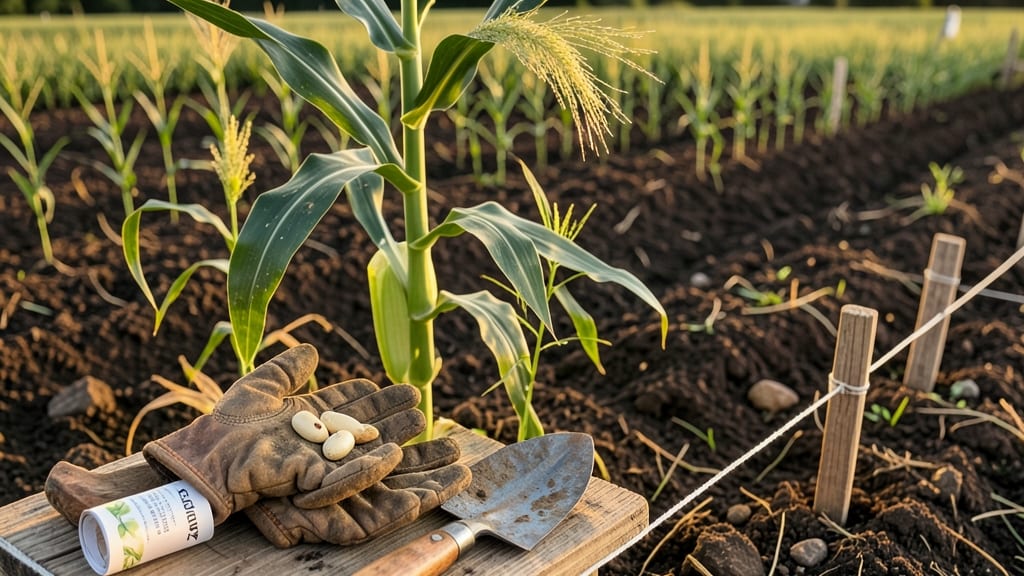
Planting corn in Colorado at the wrong time can mean the difference between a bountiful harvest and wasted effort—especially when frost sneaks in unexpectedly. Whether you're in the high plains of Denver or the Front Range foothills, timing is everything for 🌽 that thrives.
The key lies in balancing soil warmth with last-frost dates, and getting it right means fewer pests, stronger stalks, and sweeter ears by summer.
I’ve dug into Colorado State University’s data to pinpoint the exact windows for planting—because a two-week delay can shrink your yield by half. We’ll break down elevation zones, from lowland valleys to mountain slopes, so you know when to pop those seeds in the ground for maximum success.
No more guessing games or lost crops!
What you’ll discover here are the precise planting dates tailored to your specific region, plus pro tips for adjusting based on early vs. late varieties.
Whether you’re growing sweet corn for the table or field corn for livestock, these insights will help you avoid common mistakes and set your garden up for a record harvest.
Ready to turn your backyard into a corn patch? Let’s get started with the exact dates and prep work you need to grow healthy, productive plants—no matter where in Colorado you’re planting.
Colorado corn planting dates by elevation zone (with frost risk charts)
Colorado’s three distinct elevation zones dramatically affect when you can plant corn. Lowland areas like Denver and the Front Range (3,000–5,000 ft) have longer growing seasons, while mountain valleys (7,000+ ft) face shorter windows and frost risks.
Even within 1,000 feet of elevation change, planting dates can shift by 2–3 weeks.
To succeed, I focus on soil temperature (ideal: 60°F+) and last-frost averages. Colorado State University Extension recommends waiting until after May 15 for lowlands and June 1 for high-altitude zones. But these are just starting points—your microclimate matters more!
🌽
| Elevation Zone | Avg Last Frost | Optimal Planting Window | Frost Risk After Planting | Corn Variety Recommendations |
|---|---|---|---|---|
| Lowland (3,000–5,000 ft) | April 15–May 1 | May 1–May 15 | Low (10% chance after May 15) | ‘Golden Bantam’ (60 days), ‘Pioneer 39F53’ (90 days) |
| Foothills (5,000–7,000 ft) | May 1–May 15 | May 15–June 1 | Moderate (25% chance after June 1) | ‘Ambrosia’ (80 days), ‘Silver Queen’ (95 days) |
| High Mountain (7,000+ ft) | June 1–June 15 | June 15–July 1 | High (40% chance after July 15) | ‘Early Sunglow’ (70 days), ‘Bodacious’ (85 days) |
*Adjust dates 1–2 weeks later if your area has a history of late frosts.
For lowland gardeners, I plant sweet corn varieties like ‘Peaches and Cream’ by May 10 to ensure harvest before first-frost risks in September. In Denver’s 5,280 ft elevation, I wait until May 20 and choose 85-day varieties to avoid late-summer freezes.
In high-altitude zones, I use row covers to protect seedlings until soil warms to 60°F. For example, in Fort Collins (5,000 ft), I plant ‘Silver Queen’ by May 25, while in Leadville (10,000 ft), I delay until July 1 and opt for ‘Early Sunglow’.
Pro tip: Use a soil thermometer to confirm warmth. Corn roots need 60°F+ soil for 2 weeks straight. If your soil is cooler, wait—cold soil stunts growth and invites pests like corn rootworms.
🌡️
For irrigated gardens, I plant 1–2 weeks earlier because water helps warm soil faster. In dryland areas, I delay planting until June 1 to avoid drought stress. Always check Colorado Climate Center forecasts for your specific county—some years, June frosts hit unexpectedly!
Finally, I never plant before Memorial Day in most of Colorado. The 10-year average last frost for Colorado Springs (6,000 ft) is May 10, but 2020’s late frost delayed planting until June 1. Plan for flexibility!
How to adjust planting dates for early vs. late corn varieties in Colorado
Colorado’s short growing season demands careful variety selection. Early corn like ‘Golden Bantam’ matures in 60–75 days, while field corn varieties like ‘Pioneer 39F53’ need 90+ days. Matching your corn to your last frost date and soil warmth is key to avoiding stunted plants or missed harvests.
For lowland areas (3,000–5,000 ft), plant early varieties in mid-April to early May when soil temps hit 50°F. In higher elevations (7,000+ ft), wait until late May to early June—cooler soils delay germination, and early planting risks frost damage.
Use heat-unit calculators from Colorado State University to estimate maturity. For example, ‘Silver Queen’ (80-day variety) needs 1,200+ growing degree days. If your zone averages 1,000 days, opt for short-season hybrids like ‘Early Sunglow’ (70 days).
Irrigation access also shifts timing. Gardeners with drip systems can plant 2–3 weeks earlier by warming soil faster. Without irrigation, wait until soil is consistently 60°F+ to prevent drought stress in seedlings.
| Variety Type | Days to Maturity | Best Planting Window (Lowland) | Best Planting Window (Highland) |
|---|---|---|---|
| Sweet Corn (Early) | 60–75 days | Mid-April to early May | Late May to early June |
| Sweet Corn (Mid) | 75–90 days | Late April to mid-May | Early to mid-June |
| Field Corn | 90–120 days | Late May to early June | June (or skip) |
*Adjust for microclimates—urban areas may warm faster than rural zones.
Extend your growing season in cooler zones with row covers or black plastic mulch. These raise soil temps by 5–10°F, letting you plant 2 weeks earlier.
For example, in Denver (5,280 ft), use mulch to plant ‘Ambrosia’ (75 days) by late April instead of waiting until May.
Succession planting works too: Sow short-season varieties every 2 weeks through June for a continuous harvest. In Pueblo (4,700 ft), this means planting ‘Peaches and Cream’ on April 15, May 1, and May 15 to enjoy corn from July to September.
Always check local frost data—Colorado’s microclimates vary wildly. For instance, Grand Junction (4,450 ft) averages 10°F warmer than Fort Collins (5,050 ft), so adjust dates accordingly. Pro tip: Plant a test row 2 weeks early to gauge soil warmth.