
Plants
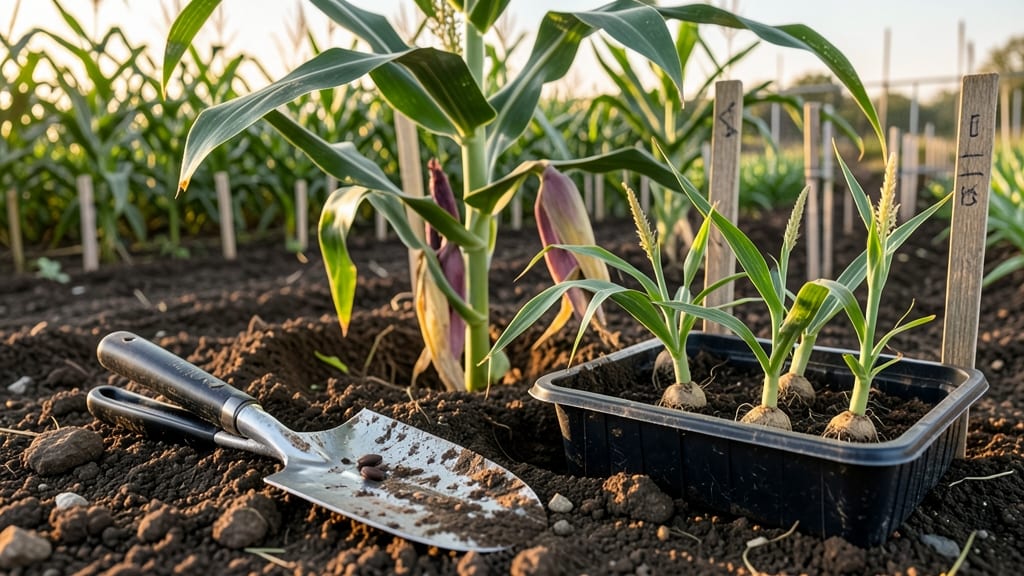
Timing your 🌽 corn planting in Illinois can make or break your harvest—get it right, and you’ll enjoy sweet, tender ears by late summer. With USDA zones 5b-6a bringing unpredictable springs, knowing when to plant is the key to avoiding frost damage or stunted growth.
Most Illinois gardeners aim to sow seeds between mid-April and mid-May, once soil temperatures hit a steady 50°F and the last frost has passed.
But here’s the catch: Northern Illinois (Zone 5b) may need to wait until early May, while southern regions (Zone 6a) can start as early as late April.
Why does this matter? Planting too early risks frost damage, while waiting too long cuts your growing season short. I’ll break down the exact windows by region, plus how to adjust for cool springs or early heatwaves—so you can maximize your yield every year.
Ready to grow plump, flavorful corn? Let’s dive into the best planting strategies tailored for Illinois’ climate, from soil prep to variety selection.
Illinois corn planting dates by USDA growing Zone (with frost risk charts)
Illinois spans three USDA growing zones (5b, 6a, and 7a), each with distinct last-frost dates and ideal planting windows.
For Zone 5b (northern IL), aim for mid-April to early May—soil must reach 50°F+ for germination. Zone 6a (central IL) can start early April with frost-free confidence, while Zone 7a (southern IL) extends windows until mid-May. Miss these windows, and you risk frost damage or stunted ears.
Corn thrives on warm soil, so use a soil thermometer to confirm readiness. Early-season varieties (75–85 days to maturity) are safest for northern zones, while late-season types (100+ days) work in southern regions. Planting too late? Your crop may not mature before first frost (typically mid-October in Zone 5b).
Here’s how Illinois’ three zones compare for planting timelines, frost risks, and variety recommendations:
| Zone | Last Frost Date | Ideal Planting Window | Soil Temp Threshold | Frost Risk (Late Spring) | Best Varieties |
|---|---|---|---|---|---|
| 5b (Northern IL) | April 15–May 1 | Mid-April to early May | 50°F+ | High (30% chance after April 15) | Early Sweet (e.g., 'Silver Queen', 'Peaches and Cream') |
| 6a (Central IL) | April 1–April 15 | Early April to mid-May | 50°F+ | Moderate (20% chance after April 15) | Mid-Season (e.g., 'Country Gentleman', 'Bodacious') |
| 7a (Southern IL) | March 20–April 5 | Late March to mid-May | 50°F+ | Low (10% chance after April 1) | Late-Season (e.g., 'Ambrosia', 'Golden Bantam') |
Pro tip: Use black plastic mulch in Zone 5b to warm soil faster—this can push planting dates 1–2 weeks earlier. In Zone 7a, consider succession planting every 2 weeks for continuous harvests through summer. Always plant in blocks (not rows) to improve pollination and yield.
For northern Illinois gardeners, I recommend staggering plantings in 10-day intervals. This ensures a steady harvest even if early plantings fail due to unexpected frost.
Use row covers for extra protection if late frosts threaten. In southern zones, focus on heat-tolerant varieties like 'Ambrosia' to avoid kernel abortion during summer heatwaves.
Watch for soil moisture—corn needs 1–2 inches of water weekly, especially during tasseling (6–8 weeks after planting). Drought stress here can reduce pollination and lead to barren ears. Use a drip irrigation system for consistent moisture without wetting foliage (which invites fungal diseases).
If you’re in Zone 6a or 7a, don’t wait until mid-May to plant—late-season varieties need 100+ frost-free days to mature. For example, 'Country Gentleman' (105 days) planted on May 15 in Zone 5b may not reach harvest before frost.
Use a corn maturity calculator to adjust dates based on your variety’s days-to-maturity.
Remember: Corn is wind-pollinated, so plant at least 4 rows (or a 10x10 ft block) to ensure cross-pollination. Isolated plants may produce small, underdeveloped ears. For small gardens, try bush corn varieties like 'Golden Bantam' (5 ft tall), which don’t require as much space.
🌽
How to adjust planting dates for Illinois’ unpredictable spring weather
Illinois’ spring weather is famously unpredictable—one day you’re planting, the next you’re scrambling to cover tender shoots with frost cloth. Late frosts in northern Illinois (Zone 5) can hit as late as May 10, while southern Illinois (Zone 7) might see unseasonable heat by early April.
Adjusting your planting dates based on real-time conditions is the key to avoiding stunted plants or wasted seeds.
Start by monitoring soil temperatures, not just air temperatures. Corn won’t germinate well until the soil reaches a steady 50°F (10°C). Use a soil thermometer to check daily—if it’s hovering around 45°F (7°C), delay planting.
In cooler zones, this could mean waiting until mid-May instead of the usual April target.
For gardeners in Zone 6 (central Illinois), aim for a two-week buffer after your average last frost date. If your area typically sees frost on April 15, hold off until May 1 to play it safe.
This extra time lets the soil warm naturally and reduces the risk of seed rot in damp, chilly conditions.
If you’re in southern Illinois (Zone 7), where springs can arrive early, consider staggered planting. Start with early-maturing varieties (80–90 days) in late March to early April, then follow up with mid-season types (90–100 days) in mid-April.
This strategy ensures you have harvests at different times, spreading out your kitchen corn supply from late July to September.
For northern Illinois (Zone 5), focus on frost-tolerant hybrids like ‘Early Sunglow’ or ‘Golden Bantam’, which can handle cooler soils better than standard varieties. Plant these in blocks (not rows) to improve pollination—corn is wind-pollinated, and isolated plants may not set ears properly.
If frost threatens after planting, cover young seedlings with row fabric or a cloche until temperatures stabilize.
Always have a backup plan: keep a few seeds tucked away for late May or early June replanting if your first attempt fails. With Illinois’ 165 frost-free days, you’ve got time—but rushing too early or too late can turn your dream harvest into a disappointing flop. 🌱