
Plants
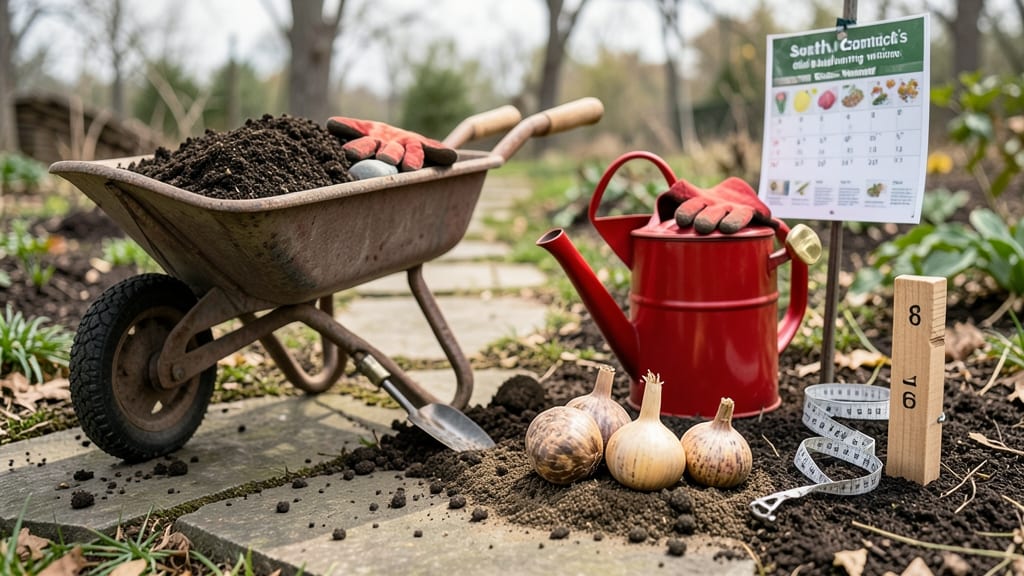
Planting Spring Flowering Bulbs 🌷 at the wrong time in South Carolina can mean the difference between a garden bursting with color and a missed opportunity—especially when frost sneaks in earlier than expected.
The key to vibrant blooms next spring lies in understanding your local frost dates and soil conditions, which vary dramatically from the coast to the Piedmont.
Most gardeners in zones 7b-8b know fall is the prime window, but timing matters just as much as technique. If you plant too early, your bulbs might rot before winter sets in; too late, and they won’t establish strong roots before the cold hits.
I’ve learned the hard way that late September to November is the sweet spot for most spring bulbs, but regional microclimates can shift that window by weeks.
What you’ll discover here is how to read your soil’s readiness, adjust for coastal warmth or Piedmont chill, and even salvage a late planting. Whether you’re a first-timer or a seasoned gardener, these insights will help you avoid common pitfalls and ensure your 🌷 bulbs thrive year after year.
Ready to turn your garden into a springtime showstopper? Let’s break down the exact steps—from soil prep to frost-proofing—that will make your bulbs the envy of the neighborhood.
South Carolina’s ideal bulb planting window: months and frost zones explained
Timing is everything when planting bulbs in South Carolina. Unlike northern states, our USDA zones 7b–8b offer a longer fall window—but planting too early risks rot, while waiting too long means missed blooms.
The ideal window spans from mid-September to early November, aligning with soil temperatures and frost predictions.
Coastal areas like Charleston (Zone 8a) can plant later, often into December, thanks to milder winters. Meanwhile, the Piedmont region (Zone 7b) should aim for October to avoid early frosts. Always check your last frost date—typically mid-November—to ensure bulbs establish roots before winter.
Here’s how to translate frost zones into actionable planting dates:
| Region | USDA Zone | Ideal Planting Window | Soil Temp Threshold | Key Consideration |
|---|---|---|---|---|
| Coastal (e.g., Charleston) | 8a | October–December | Below 60°F (15°C) | Milder winters; extend window into holidays |
| Piedmont (e.g., Columbia) | 7b | Mid-September–October | Below 55°F (13°C) | Earlier frost risk; prioritize October |
| Upstate (e.g., Greenville) | 7a | September–early October | Below 50°F (10°C) | Coldest zone; plant earlier to establish roots |
| All Regions | 7b–8b | Last Chance: February–March | Above 40°F (4°C) | For late-winter blooms (e.g., tulips) |
Pro tip: Use a soil thermometer to confirm temps—bulbs rot if planted in warm soil (>60°F). Aim for 50–60°F (10–15°C) for optimal root growth before winter dormancy.
For spring-flowering bulbs like daffodils and tulips, October is the sweet spot in most of SC. Coastal gardeners can push to November, while Upstate areas should finish by mid-October. Summer-blooming bulbs (e.g., rain lilies) can wait until late winter (February–March) for a late-season show.
Watch for weather forecasts in late fall—if a hard freeze (<32°F/0°C) is predicted within 6 weeks, delay planting. Bulbs need 4–6 weeks to root before winter sets in.
Mulch after planting with 2–3 inches of straw or pine needles to insulate bulbs and retain moisture. This is especially critical in Zone 7a, where winters can dip below freezing.
Remember: No blooms next spring? You likely planted too late. But with these zone-specific dates, your garden will reward you with bold, early color—no guesswork required.
5 Critical signs your South Carolina soil is ready for fall bulbs
Testing your soil before planting bulbs in South Carolina is non-negotiable. The difference between 60°F and 50°F soil can mean the difference between strong root growth and rot.
Most gardeners skip this step, but I’ve learned the hard way that soil temperature is the #1 predictor of success—especially in our humid climate.
First, grab a soil thermometer (they’re cheap and lifesavers). Stick it 4-6 inches deep—this is where your bulbs’ roots will grow. The ideal range for planting is between 50°F and 60°F. If it’s warmer than 60°F, you’re risking rot; colder than 50°F, and roots won’t establish before winter.
🌱
🔍 5 Critical Signs Your Soil Is Ready
- 🌡️ Soil temp: 50°F–60°F at 4–6" depth (use a thermometer!)
- 💧 Moisture: Drains within 24 hours (no standing water)
- 🌿 Frost risk: No hard frost forecast for 4–6 weeks
- 🌱 Microbes: Healthy worms and no foul odors
- ☀️ Sunlight: Planting area gets 6+ hours of sun daily
Next, check for moisture balance. Dig a small hole and fill it with water—if it drains within 24 hours, your soil is ready. Clay-heavy soils in the Piedmont? Amend with compost or sand to improve drainage. Sandy coastal soils? Mix in peat moss or coconut coir to retain moisture.
Don’t ignore the weather forecast. Planting too early (August) means bulbs may sprout and get fried by a late heatwave. Too late (December), and they won’t root before frost. Aim for 4–6 weeks before your first frost date—typically late September to November in SC.
Finally, give your soil a worm test. Healthy soil teems with earthworms, which aerate the ground naturally. If you find few or none, add well-rotted compost or a worm casting fertilizer to boost microbial activity. Bulbs need these beneficial microbes to thrive!
🌿