
Plants
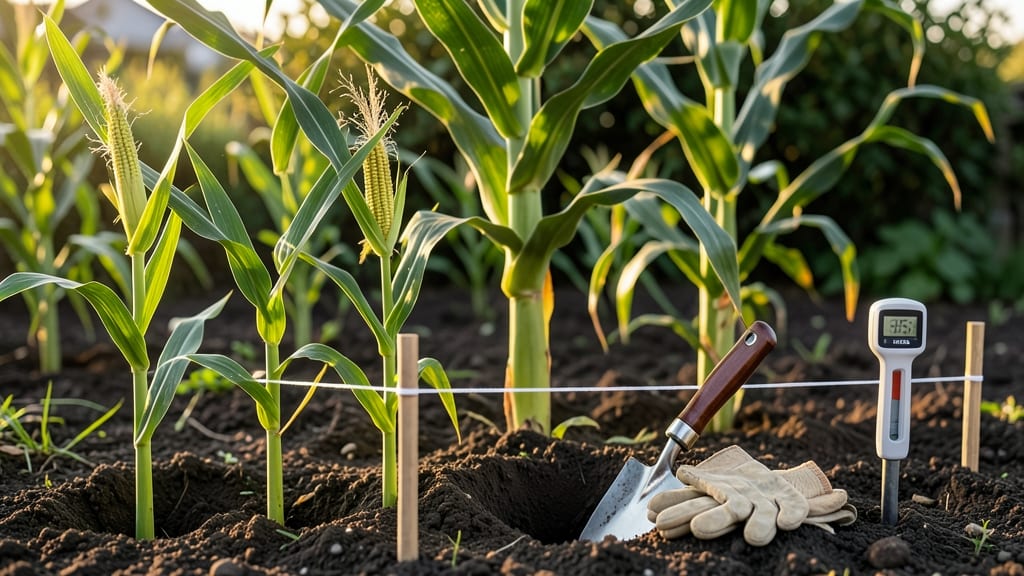
Planting corn in East Texas at the wrong time can mean the difference between a fast, bountiful harvest and wasted effort. The key isn't just waiting for spring—it's knowing when your soil hits that perfect 60°F trigger for germination, usually between mid-April and late May.
Why does timing matter so much? Corn 🌽 thrives when the ground stays warm enough to avoid stunted growth, but planting too late risks heat stress before ears even form.
In USDA Zone 8a, where last frosts typically hit around March 15, rushing seeds into cold soil can leave you with patchy, slow-starting plants.
I've learned the hard way that checking soil temperature with a simple thermometer beats guessing. When those numbers climb consistently above 60°F, that's your signal to get planting—whether you're growing sweet corn for the table or field corn for livestock.
The payoff? Kernels that fill out quickly and silks that turn brown just in time for harvest.
Ready to unlock faster germination and bigger yields? Let's break down exactly how to time your planting for East Texas' heat and humidity—plus the varieties that handle our climate best. Your corn patch will thank you.
Ideal soil temperature ranges for planting corn in East Texas regions
Corn thrives when planted in warm soil, but East Texas' variable climate means timing matters more than you might think. The sweet spot for germination is 50-60°F, while rapid growth kicks in at 65°F+.
In USDA Zone 8a, this typically aligns with late March to early May, but heat-tolerant varieties can stretch into June.
Field corn varieties handle hotter soils (up to 85°F) better than sweet corn, which struggles above 75°F. If your soil hits 80°F+ before planting, opt for heat-resistant hybrids like 'Silver Queen' or 'Peaches and Cream' to avoid stunted growth or poor ear development.
Testing soil temperature is simple: Use a soil thermometer at 4-inch depth in the morning (before 10 AM). For fast germination, aim for 60°F+ consistently for 3-5 days. If temps dip below 50°F, seeds may rot or fail to sprout entirely.
East Texas' humidity and clay-heavy soils can delay warming. In areas like Tyler or Longview, wait until mid-April for peak germination, while Houston's coastal influence may allow early March planting for early varieties like 'Bodacious'.
Pro tip: Black plastic mulch warms soil by 5-10°F faster than bare earth. Lay it down 1-2 weeks before planting to create a microclimate for faster sprouting, especially in cooler microclimates like the Piney Woods region.
🌱 East Texas Corn Planting Soil Temp Guide
| Stage | Ideal Soil Temp (°F) | East Texas Timing | Variety Notes |
|---|---|---|---|
| Germination | 50-60°F | Late March - Early April | Sweet corn needs cooler soils |
| Rapid Growth | 65°F+ | Mid-April - Late May | Field corn thrives here |
| Heat Tolerance Limit | 80°F+ | June (for late varieties) | Use 'Ambrosia' or 'Peaches & Cream' |
| Danger Zone | Below 50°F | Before mid-March | Risk of seed rot |
💡 Pro Tip: Monitor temps daily with a soil thermometer—fluctuations can delay germination by 3-5 days.
In East Texas' humid climate, soil warms faster than in drier regions, but clay soils (common in Nacogdoches) retain cold longer. To speed up warming, till in compost or aged manure 2-3 weeks before planting. This raises soil temps by 3-5°F while improving drainage.
For container growing, use black pots filled with 50% potting mix + 50% compost. These heat up 10°F faster than garden beds, letting you plant 2-3 weeks earlier than traditional in-ground methods.
Remember: Soil temperature ≠ air temperature. On a 70°F April morning, your soil might still be 55°F. Always check with a thermometer—this small step prevents wasted seed packets and frustrating delays.
If you're in Zone 8a's northern edge (like Athens or Jacksonvilleplanting later
Best planting windows by month for East Texas corn success
Timing your corn planting in East Texas isn't just about avoiding frost—it's about syncing with the region's humidity spikes, heat waves, and rainfall patterns. The ideal window spans from mid-April to late May, but smart gardeners also use succession planting for continuous harvests.
Let's break down the month-by-month strategy that works best for East Texas corn growers.
For early varieties, you can start as soon as two weeks after your last expected frost (typically around March 15).
This gives tender seedlings time to establish before summer's intensity peaks. Sweet corn varieties like Silver Queen or Peaches and Cream thrive when planted in early April, while field corn varieties can handle slightly later starts.
Here's the month-by-month planting calendar that aligns with East Texas's unique climate patterns:
East Texas's high humidity (often exceeding 80%) creates perfect conditions for corn earworm and fungal diseases, so timing matters even more than in drier regions. Planting in April-May gives you the cool mornings needed for strong seedling establishment while avoiding the oppressive heat that arrives by June.
Pro tip: Use a soil thermometer to verify temperatures—60°F is the magic number for germination, but 65°F+ ensures faster growth. In East Texas's USDA Zone 8a, this typically aligns with mid-April, but watch for unpredictable cold snaps that can linger into early May.
For gardeners in southern East Texas (near Beaumont or Orange), you can push planting slightly earlier, while those in north-central areas (like Tyler) should wait until after April 15 to avoid late frosts.
Always check your local Cooperative Extension Service for frost-free date updates—they're your best resource for hyper-local adjustments.