
Flowers
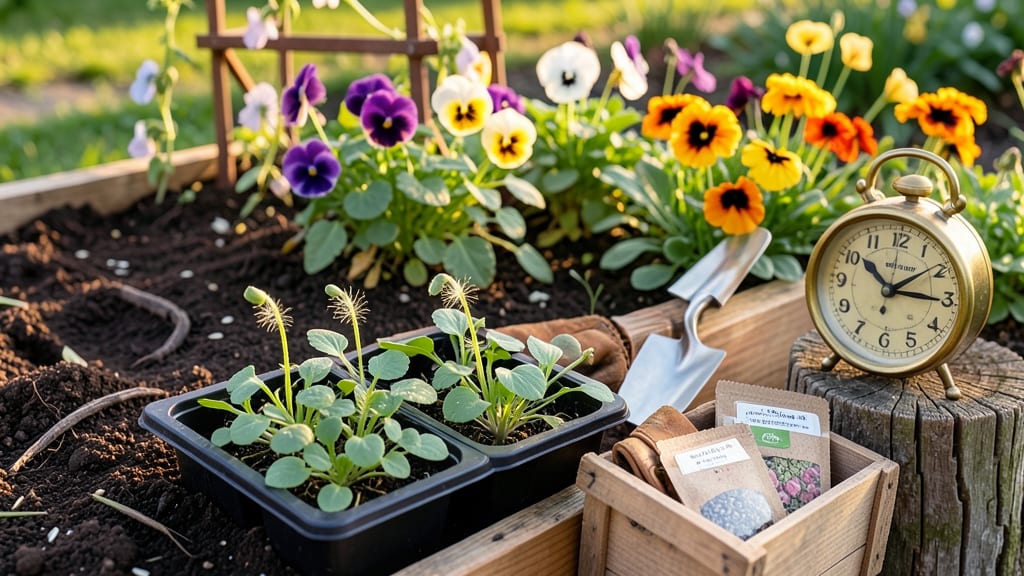
Planting flowers in spring feels like betting on a rainbow—except the weather keeps changing the odds. The key to vibrant blooms lies in timing it right after the last frost, but figuring out exactly when can leave even seasoned gardeners guessing.
If you’ve ever watched your tender seedlings shiver under a surprise frost or your 🌸 dreams wilt before buds even form, you’re not alone.
The difference between a thriving garden and a sad pile of compost often comes down to knowing your local frost dates—and adjusting for soil temperature, not just the calendar.
In USDA Zone 6a, where frost lingers until mid-April, the perfect window for planting flowers typically opens in early May—but that’s just the starting point.
I’ll walk you through the exact cues to watch for, from soil readiness to plant-specific signals, so you can skip the guesswork and start your garden with confidence.
Whether you’re sowing seeds or transplanting seedlings, this guide cuts through the confusion. You’ll learn how to read your climate, pick the right flowers for your timeline, and give your garden the best possible start—no frostbite required.
Spring planting zones by USDA hardiness: exact weeks to plant flowers after last frost
Spring planting success hinges on understanding your USDA hardiness zone and local frost dates. While the last frost date is your starting point, the exact planting window varies by flower type and regional microclimates.
For example, coastal areas may have 2-3 weeks earlier frost-free periods than inland zones at the same latitude.
Most gardeners in USDA Zones 3-5 should wait until 2-4 weeks after the average last frost date to plant tender annuals like petunias or marigolds. In Zones 6-10, the window opens 1-2 weeks earlier, but heat-sensitive flowers (e.g., snapdragons) still need soil temperatures above 50°F.
Here’s how to translate frost dates into actionable planting weeks for your zone:
| USDA Zone | Last Frost Date (Avg.) | Plant Annuals After | Plant Perennials/Bulbs | Soil Temp Threshold |
|---|---|---|---|---|
| 3-4 | May 1–15 | 4–6 weeks after | Early April (hardy types) | 55°F+ |
| 5-6 | April 15–May 1 | 2–4 weeks after | Mid-March (bulbs) | 50°F+ |
| 7-8 | March 15–April 1 | 1–2 weeks after | Late February (bulbs) | 45°F+ |
| 9-10 | February 1–March 15 | Same week as frost | January (bulbs) | 40°F+ |
🌱 Pro Tip: Coastal zones (e.g., Pacific Northwest) can plant 2 weeks earlier due to milder nights.
For bulbs like tulips or daffodils, timing shifts earlier—plant in fall (6-8 weeks before frost) for spring blooms. But spring-planted bulbs (e.g., dahlias) go in after frost when soil warms to 60°F.
Inland areas often face frost pockets where cold air settles. If your yard has low spots, delay planting by 1-2 weeks or use row covers for protection. My Zone 6a garden in a valley planted petunias 3 weeks late one year—resulting in stunted, leggy growth.
Use your local Cooperative Extension Service (e.g., USDA Plant Hardiness Map) to pinpoint exact dates. For example, Atlanta (Zone 7b) averages March 20 for last frost, but Savannah (Zone 8a) hits February 15. Adjust for microclimates like urban heat islands or shaded slopes.
Hardy perennials like coneflowers or black-eyed Susans can handle cooler soil (45°F+) and often thrive when planted 4-6 weeks before the last frost. Annuals like zinnias or cosmos, however, won’t tolerate frost and need warmer soil (60°F+).
If you’re unsure, use biodegradable seed starter pots to extend your season. Plant in pots 4-6 weeks before your zone’s ideal window, then transplant after frost risk passes. This trick saved my geraniums in Zone 5 last spring!
Remember: Soil temperature matters more than air temperature. A 50°F soil can support cool-season flowers (e.g., pansies, snapdragons), while 60°F+ is critical for tender annuals like impatiens or vinca. Use a soil thermometer to confirm readiness.
How to tell when your local soil is Really Ready for Flower Seeds (Not Just Frost-Free)
Checking your local frost dates is just the first step—soil temperature and moisture are the real dealbreakers for spring planting success. Even after frost danger passes, cold soil can stunt root growth, leaving your 🌸 flowers weak and vulnerable.
I’ve learned the hard way that rushing into the garden too early means struggling with leggy seedlings or seeds that refuse to sprout.
For most spring flowers, soil should stay above 50°F (10°C) for at least a week before planting. In USDA Zone 6a, that usually means waiting until mid-to-late May, even if the last frost was weeks earlier.
Use a soil thermometer to check—it’s the only way to know for sure. If your soil is still chilly, your marigolds or petunias will take forever to grow.
Here’s the kicker: different flowers have different patience levels. Cold-hardy varieties like pansies or snapdragons can handle cooler soils (around 45°F/7°C), while tender annuals like geraniums or impatiens need soil that’s at least 60°F (15°C).
Planting too soon can turn your garden into a science experiment you don’t want to repeat.
⚠️ WARNING: Cold Soil = Stunted Growth
Planting flowers in chilly soil (below 50°F/10°C) can cause:
- Slow germination (seeds may rot instead of sprouting)
- Leggy seedlings (weak stems that flop over)
- Root rot (from poor drainage in cold, wet soil) Pro Tip: Cover soil with black plastic mulch 1-2 weeks before planting to warm it faster.
Don’t forget to test your soil’s moisture too. Stick your finger about an inch deep—if it feels dry, your flowers will struggle to establish roots. A simple squeeze test works: grab a handful of soil.
If it crumbles easily, it’s ready. If it sticks together like wet sand, wait a few more days. Overwatering cold soil is just as bad as underwatering it.
One trick I swear by? Plant a test crop like radishes or lettuce a week before your target date. If they thrive, your flowers will too. These fast growers act like a soil readiness barometer, giving you real-time feedback before you invest in your prized blooms.
Finally, watch the weather forecast for a 5-day stretch of warm temps (above 60°F/15°C) with no frost warnings. Even if your soil is perfect, a late frost can wipe out your progress overnight.
I’ve lost count of the times I’ve planted too early only to wake up to frost-kissed seedlings. Patience pays off—your garden (and your sanity) will thank you.