
Companion Plants
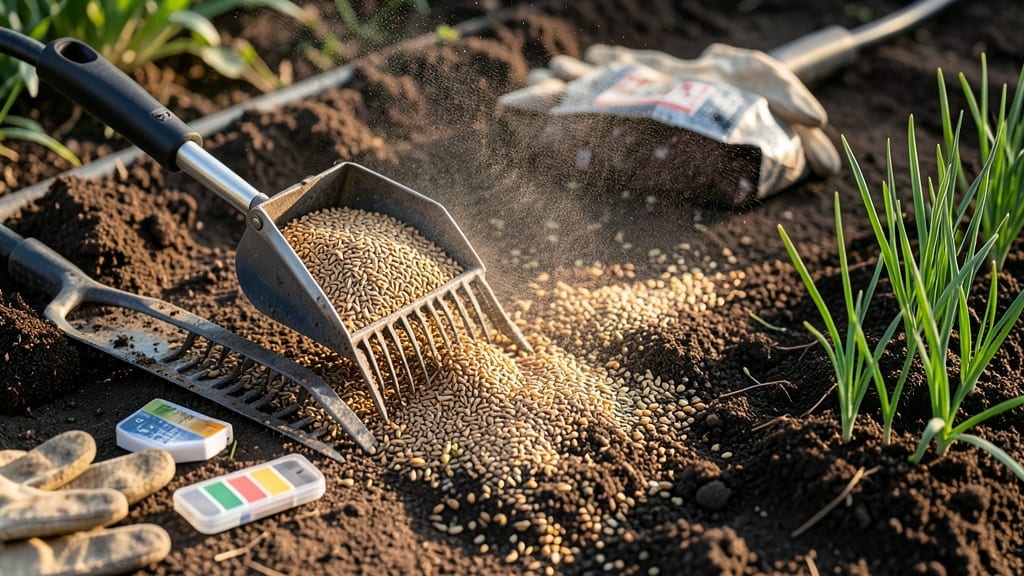
Planting grass seed at the wrong time in spring can turn your dream of a lush lawn into a frustrating guessing game—especially when cool-season and warm-season grasses have completely different needs. The key difference?
Cool-season varieties like Kentucky bluegrass thrive when soil temperatures dip below 65°F, while warm-season grasses like Bermuda need to wait until the ground warms to at least 65°F.
For most of the U.S., that means cool-season seeding happens in early spring (4-6 weeks before last frost), while warm-season grasses should wait until late spring or early summer.
But here's the catch: your local climate zone and soil temperature matter more than the calendar date. A quick soil check with a thermometer can save you from wasted effort.
I've learned the hard way that rushing the process—whether by planting too early or too late—leads to poor germination, weed competition, or even seed rot. The good news? With the right timing and preparation, you can establish a thick, healthy lawn that stays green all season long.
Let me walk you through exactly when and how to plant for your specific grass type.
We'll cover everything from reading your last frost date to adjusting for regional microclimates, so you can finally get that perfect spring lawn start. Ready to turn patchy soil into a vibrant carpet? Let's get into it.
Best spring planting times for cool-season vs warm-season grass seed
Spring is the perfect time to plant grass seed, but your ideal planting window depends on whether you're growing cool-season or warm-season grasses.
Cool-season varieties like Kentucky bluegrass and turf-type tall fescue thrive when planted in early spring, while warm-season grasses such as Bermuda and Zoysia need to wait until late spring when soil warms up.
For most U.S. regions, the best time to plant cool-season grass seed is 4-6 weeks before your last frost date—typically March or early April.
Warm-season grasses, however, should be planted after soil temperatures consistently reach 65°F or higher, which usually happens in May or June in warmer climates.
Your local climate zone plays a huge role. In USDA Zone 6a (like much of the Midwest), cool-season grasses like Kentucky bluegrass can be planted as early as late February if soil isn’t frozen, while warm-season grasses like St. Augustine should wait until mid-to-late May.
Here’s how to match your grass type to the right planting window:
| Grass Type | Ideal Planting Window | Soil Temp Threshold | Best Months (USDA Zone 6a) |
|---|---|---|---|
| Cool-Season (Kentucky Bluegrass, Tall Fescue) | 4-6 weeks before last frost | 50-60°F | March, early April |
| Warm-Season (Bermuda, Zoysia, St. Augustine) | After last frost, soil 65°F+ | 65-75°F | Late May, June |
If you’re in a transition zone (like Zone 7b), you might even overseed warm-season grasses in late fall for a head start in spring. But for most gardeners, sticking to these spring planting windows ensures your grass seed germinates quickly and establishes strong roots before summer heat sets in.
Pro tip: Check your local frost dates and soil temperature using tools like the Old Farmer’s Almanac or a soil thermometer. Planting too early in cold soil can delay germination, while waiting too long risks summer drought stress for cool-season grasses.
For example, if you’re in Zone 5, aim for late April for cool-season grasses, but if you’re in Zone 8, you might plant warm-season grasses as early as April—just monitor soil temps closely.
Once you’ve nailed down the timing, the next step is soil prep. Cool-season grasses need well-draining, slightly acidic soil (pH 6.0-7.0), while warm-season grasses prefer neutral to slightly alkaline soil (pH 6.0-8.0). Test your soil first to avoid common pitfalls like poor germination or weed competition.
Remember: Consistent moisture is key in the first 2-3 weeks after planting. Water deeply in the morning to reduce evaporation and fungal risks. With the right timing and care, you’ll see green shoots in 7-21 days, depending on the grass type and weather.
Best spring planting times for cool-season vs warm-season grass seed
Spring is the perfect time to plant grass seed, but the ideal timing depends on whether you're growing cool-season or warm-season grasses. Cool-season varieties like Kentucky bluegrass and tall fescue thrive when planted 4-6 weeks before your region's last frost date, typically in early spring (March-April).
Warm-season grasses, such as Bermuda or Zoysia, prefer late spring planting (May-June) when soil temperatures consistently stay above 65°F.
Your USDA hardiness zone plays a critical role in determining the best window. For example, gardeners in Zone 5-7 should aim for March-April for cool-season grasses, while those in Zone 8+ can extend planting into late April.
Warm-season grasses in southern climates (Zones 9-11) may even start as early as February if soil conditions are right.
🌱
| Grass Type | Best Planting Window | Soil Temp Threshold | Key Regions |
|---|---|---|---|
| Cool-Season (Kentucky Bluegrass) | Early spring (March-April) | 50-60°F | Zones 3-7 |
| Cool-Season (Tall Fescue) | Late March-May | 55-65°F | Zones 4-9 |
| Warm-Season (Bermuda) | Late spring (May-June) | 65-75°F | Zones 7-11 |
| Warm-Season (Zoysia) | Early summer (April-May) | 60-70°F | Zones 5-10 |
If you're unsure about your last frost date, check with your local Cooperative Extension Service or use online tools like the National Oceanic and Atmospheric Administration (NOAA) frost maps.
For northern climates, planting too early risks seed washout from spring rains, while southern regions may face heat stress if seeded too late.
For overseeding existing lawns, aim for early spring (March) to give new grass a head start before summer heat sets in. This works best for cool-season grasses in transition zones (Zones 6-8) where summers are hot but winters are mild.
🌿
Always monitor soil temperatures with a soil thermometer—cool-season grasses need 50-60°F soil temps, while warm-season types require 65°F+. Planting at the right time ensures faster germination and a thicker, healthier lawn by summer.