
Flowers
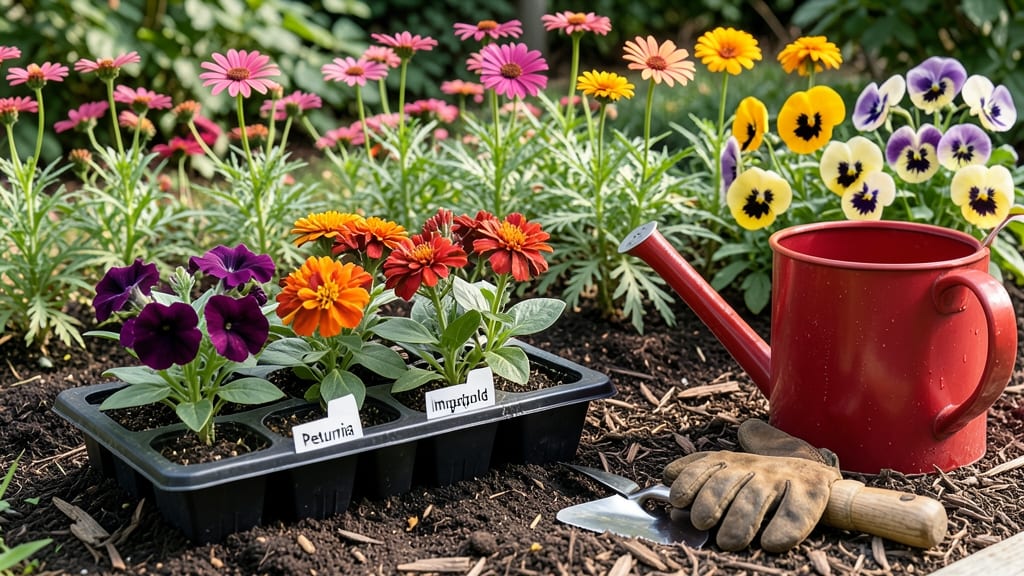
Planting flowers in Philadelphia at the wrong time can turn your dream garden into a sad, frost-killed mess—especially when those sneaky late frosts hit Zone 7b like clockwork.
Timing matters more than you think, because even the hardiest 🌸 varieties need that perfect window between April 15 and May 15 to thrive.
I’ve learned the hard way that Philadelphia’s unpredictable spring weather demands a strategy. Whether you’re sowing annuals or transplanting perennials, getting the timing right means the difference between a blooming paradise and a season of disappointment.
Let’s break down exactly when to plant—and how to protect your flowers from those infamous late frosts.
You’ll discover the best months for each type of flower, from cool-season pansies to heat-loving zinnias, plus pro tips to extend your growing season. No more guessing—just a clear, foolproof timeline tailored to Philadelphia’s climate.
Ready to transform your garden? I’ll walk you through the exact steps, including soil prep, frost protection, and even which flowers perform best in our city’s unique microclimates. Let’s get those blooms growing!
Philadelphia’s frost-free timeline: exact dates for planting annual flowers
Philadelphia’s USDA Zone 7b climate demands precision when planting flowers—missing the window by even a week can spell disaster for tender varieties. The average last frost date hovers around April 15, but microclimates (like urban heat islands) can shift this by 1-2 weeks.
Always check Penn State Extension’s frost data for real-time updates before breaking out your trowel 🌱.
For cool-season flowers like pansies and snapdragons, start sowing seeds indoors by March 1 to ensure they’re ready for outdoor planting by mid-April. These hardy bloomers thrive in 50-60°F soil and can handle light frosts, making them ideal for Philadelphia’s early spring rush.
Warm-season favorites like petunias and zinnias, however, won’t tolerate frost—wait until May 15 at the earliest 🌸.
Here’s the critical timeline you can’t afford to miss:
| Season | Planting Window | Flowers to Plant | Soil Temp (°F) | Notes |
|---|---|---|---|---|
| Early Spring | March 1–April 15 | Pansies, Snapdragons, Calendula | 45–55°F | Start indoors; frost-tolerant |
| Late Spring | April 15–May 15 | Petunias, Marigolds, Zinnias | 60–70°F | Wait for consistent warmth |
| Summer | June–July | Cosmos, Sunflowers, Lantana | 70–80°F | Drought-tolerant; full sun |
| Fall | September 1–October 15 | Mums, Asters, Sweet Alyssum | 55–65°F | Plant 6–8 weeks before first frost |
Philadelphia’s first frost typically arrives between October 15 and November 15, but urban areas can delay it by 10 days due to heat retention.
For fall-planted flowers, aim to sow seeds by September 1—this gives them time to establish roots before temperatures drop. Mums and asters are your best bets for late-season color, as they thrive in cool but frost-free conditions 🌧️.
Pro tip: Use row covers to extend the season by 2–3 weeks in both spring and fall. These lightweight fabrics protect delicate blooms from late frosts while still allowing sunlight and water to penetrate.
I’ve used them with petunias in May and cosmos in October, adding extra bloom time without risking frost damage ✂️.
If you’re planting perennials, the early fall window (September) is ideal—they’ll establish roots before winter and burst into bloom next spring. Coneflowers and black-eyed Susans are Philadelphia-proven winners for this strategy, handling our humid summers and variable winters with ease.
Just be sure to mulch heavily after planting to insulate roots 🪴.
For bulbs like tulips and daffodils, plant them in late fall (November), once soil temperatures drop below 60°F. These hardy plants need 6–8 weeks of cold to bloom reliably, so don’t rush—wait until the ground feels firm and frosty at the surface.
I’ve seen daffodils push through snow in Philadelphia gardens, proving their resilience 🌷.
Remember: Philadelphia’s microclimates vary wildly. Gardens near the
Best flowers to plant by month in Philadelphia’s Zone 7b climate
Philadelphia’s 165 frost-free days create a perfect window for planting flowers that thrive in USDA Zone 7b. Each month offers unique opportunities—whether you’re sowing hardy cool-season blooms or heat-loving annuals for summer color.
Start with March, when soil temperatures rise enough for early bloomers like pansies and snapdragons, then transition to sun-loving petunias and zinnias by May. Fall planting in September brings mums and asters to life before winter sets in.
For March planting, focus on cool-season annuals that tolerate light frosts. Pansies and snapdragons are my top picks—they bloom early and handle Philadelphia’s unpredictable spring temperatures.
These flowers also resist common pests like slugs, which thrive in damp spring soil. Perennials like hellebores can be planted in March too, as their roots establish before summer’s heat arrives.
By April and May, the real fun begins. This is prime time for warm-season annuals like petunias, marigolds, and zinnias, which need consistent warmth to flourish. I recommend starting petunias indoors in late March and transplanting them after the last frost (April 15).
Zinnias, with their drought tolerance, are perfect for Philadelphia’s hot, humid summers. Don’t overlook native flowers like black-eyed Susans, which attract pollinators and thrive in our clay-heavy soil.
🌸 Top Flowers by Planting Month in Philly
- 🌱 March: Pansies, Snapdragons, Hellebores, Sweet Alyssum
- 🌿 April–May: Petunias, Marigolds, Zinnias, Geraniums, Black-Eyed Susans
- ☀️ June–July: Cosmos, Sunflowers, Lantana, Vinca, Portulaca
- 🍂 September: Mums, Asters, Goldenrod, Salvia, Pansies (fall varieties)
June and July are all about heat-loving annuals that bloom until frost. Cosmos and sunflowers are my go-tos—they’re drought-resistant and handle Philadelphia’s humid summers with ease. Lantana, with its long bloom season, is another winner.
To keep them thriving, I mulch around the base to retain moisture and deter weeds. Deadhead spent blooms regularly to encourage continuous flowering.
Don’t forget September planting for a stunning fall display! Mums and asters are classic choices, but I also love goldenrod for its late-season color and pollinator appeal. These flowers handle Philadelphia’s early autumn chills better than most.
Plant them 6–8 weeks before the first frost (aim for mid-September) to give them time to establish roots before winter.
For year-round interest, incorporate perennials like coneflowers and bee balm in early spring. These hardy plants return every year, reducing your workload. Pair them with bulbs like daffodils for early spring blooms, then let them fade naturally to feed the soil.
With this month-by-month approach, your Philadelphia garden will stay vibrant from March through November!