
Companion Plants
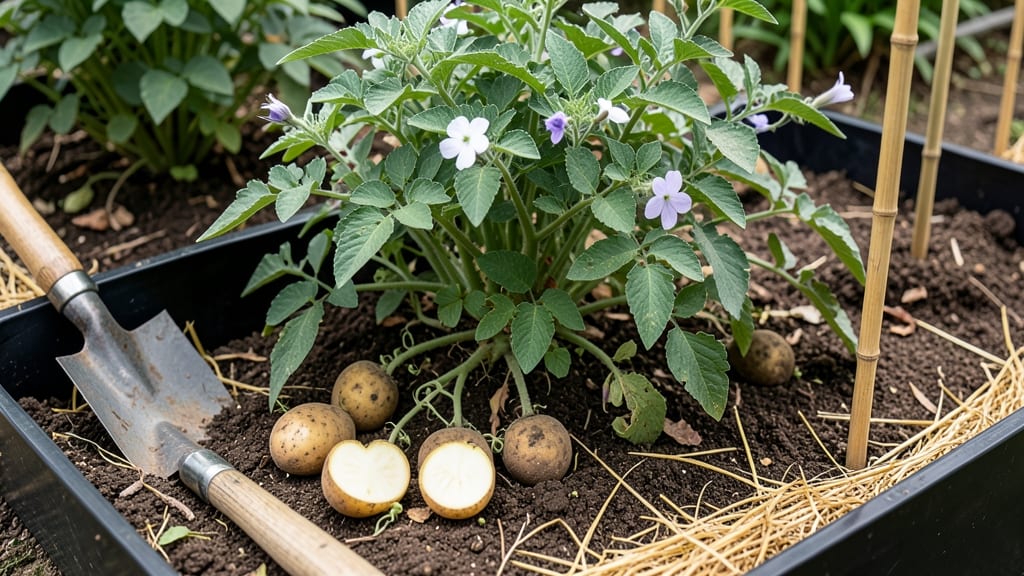
Planting potatoes in Texas isn’t just about grabbing a bag of seed potatoes—it’s about timing them perfectly to avoid scorching heat or wasted effort. Too early, and frost zaps your crop; too late, and the summer sun turns your 🥔 into mush before harvest.
The secret lies in knowing your zone: North Texas gardeners have a wider window than their South Texas counterparts, where the clock ticks faster toward sweltering days.
For most of Texas (zones 8a-11), the ideal planting window is a narrow stretch between mid-February and early April for spring crops—or September to October for fall harvests.
But here’s the catch: South Texas gardeners in zones 9a-11 must plant by early October to beat the heat, while North Texas can stretch it until April. Miss these deadlines, and you’ll be fighting blight or wilting vines instead of digging up spuds.
I’ve learned the hard way that soil temperature matters just as much as the calendar. Potatoes need cool (50°F) soil to sprout, but Texas summers can push that number into the 90s—fast.
That’s why I’ll show you how to cheat the system with row covers, shade cloth, and even container hacks to extend your growing season. No more guessing games or wasted seed potatoes.
Ready to turn your Texas garden into a potato powerhouse? Let’s break down the exact dates, soil prep secrets, and heat-beating tricks so you can harvest a bumper crop—without the stress. Your spud dreams start here.
Texas potato planting calendar by heat Zone: exact dates for zero-frost success
Texas’ diverse climate means your potato planting strategy depends heavily on your USDA heat zone. North Texas (zones 8a-8b) has a longer frost window, while South Texas (zones 9a-11) can grow potatoes year-round with the right timing.
The key is planting when soil temps hit 45°F—too cold, and sprouts rot; too warm, and tubers shrivel.
For North Texas, aim for mid-February to early April before the last frost (typically February 15 in Zone 8a). In South Texas, September to October offers perfect fall planting, avoiding summer’s brutal heat.
Early varieties like ‘Red Norland’ mature in 90 days, while late varieties like ‘Kennebec’ need 120 days—critical for Texas’ short growing seasons.
🌱
In Zone 8a, plant ‘Early Girl’ potatoes by March 1 to harvest by June 1 before summer heat sets in. Use a row cover if nights dip below 32°F—even a light frost can blacken tubers.
For South Texas (Zone 10a), September planting avoids the 90°F+ summers, with harvests by December before cooler weather arrives.
Test your soil’s drainage before planting—potatoes rot in soggy soil. Amend clay with compost or sand, and raise beds in low-lying areas to prevent waterlogging. Chitting (pre-sprouting) seed potatoes for 2–3 weeks before planting speeds up germination in Texas’ short seasons.
🌡️
Mulch with straw or grass clippings after sprouts emerge to retain moisture and suppress weeds. In Zone 9a–11, mulch also protects tubers from baking in 100°F+ soil.
Avoid organic mulches like hay, which can harbor potato scab pathogens. Instead, opt for black plastic mulch in summer to warm soil faster for early spring plantings.
Monitor for Colorado potato beetles, Texas’ #1 potato pest. Start neem oil sprays at first sight of eggs (yellow-orange clusters on leaves) to prevent defoliation. Rotate varieties yearly to break disease cycles—late blight thrives in Texas’ humid summers, so avoid planting the same spot annually.
🪴
For container growing in urban Texas, use 5-gallon pots with moisture-retentive mix (50% potting soil, 30% compost, 20% perlite). Place pots in partial shade during summer to prevent tuber scorch. Harvest by gently toppling the pot and sifting through soil—no digging required!
Pro tip: Plant ‘Sweetheart’ potatoes in hanging baskets for patio gardens. Their compact size fits small spaces, and the vines trail beautifully. Just ensure baskets get 6+ hours of sun and water daily during Texas’ dry spells.
How to extend your Texas potato growing season: hilum tricks and container hacks
Texas’s brutal summer heat makes growing potatoes feel like a gamble—but with the right tricks, you can stretch your season and harvest spuds even in the hottest months. The key? Delaying sprouting and controlling shade. Here’s how I’ve successfully grown potatoes in North and South Texas when most gardeners give up. First, try the hilum planting method—a simple hack to slow sprouting until cooler weather arrives. Cut seed potatoes in half, exposing the hilum (the small, dimpled end), then plant them cut-side down. This delays germination by 2-4 weeks, giving you a head start on the heat. Pair this with black plastic mulch to warm the soil faster in spring or keep it cooler in fall.Cut seed potatoes to expose the hilum (dimpled end), plant cut-side down to delay germination by 2-4 weeks.
Use 5-gallon buckets or fabric grow bags with 50% shade cloth to regulate soil temps in summer.
Plant early-maturing varieties (e.g., ‘Red LaSoda’) every 2-3 weeks from September to November for staggered harvests.
Use floating row covers in North Texas to extend fall harvests past the first frost (December 1).
Fill raised beds with sandy loam and mulch heavily to prevent soil from overheating in summer.
🌱