
Plants
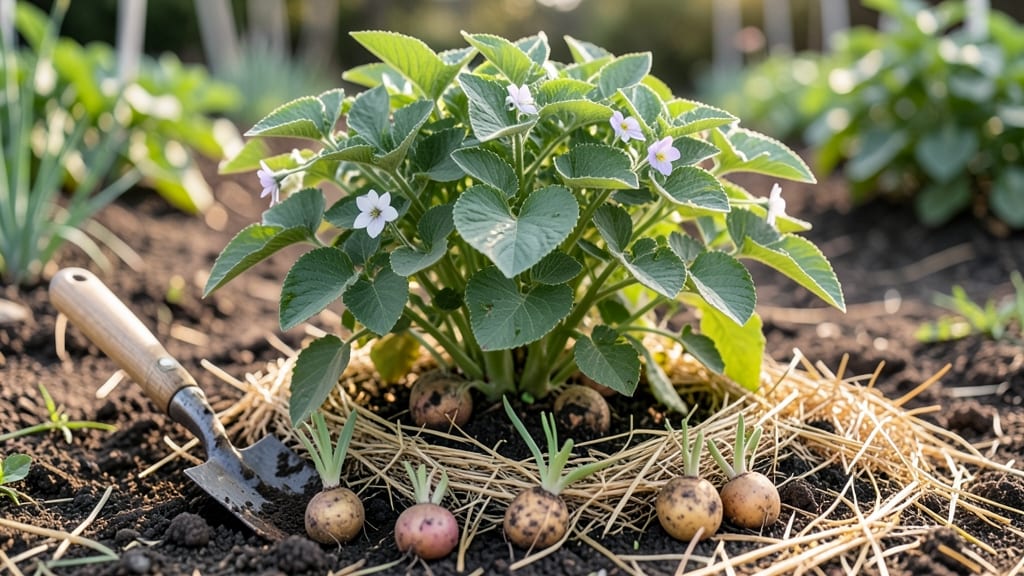
Planting fall potatoes in Texas isn’t just about timing—it’s about catching that sweet spot between scorching summer and early winter chills. Miss the window, and your 🥔 might bolt before harvest or rot in the cold.
The key? Waiting until soil temps dip to 65°F but stay above freezing—because Texas weather plays by its own rules.
I’ve seen too many gardeners rush the process, only to watch their hard work turn to mush or sprouts. But here’s the good news: with the right soil prep and variety choices, you can stretch your harvest well into winter.
Let’s break down exactly when to plant, which zones in Texas work best, and how to keep your potatoes thriving until harvest time.
Most Texas gardeners aim for late September to early October, but your exact timing depends on where you live. North Texas needs a head start, while South Texas can wait until November.
We’ll cover the critical soil temp triggers that tell you it’s go-time—and how to adjust for your local microclimate.
Ready to avoid the common mistakes that ruin fall potato crops? I’ll walk you through everything from soil checks to mulching tips, so you can enjoy homegrown spuds even when the thermometer drops. Let’s get those potatoes in the ground the right way.
Texas fall potato planting timeline: soil temp triggers to prevent bolting
Texas gardeners know that fall potato planting hinges on two critical factors: soil temperature and regional timing. Unlike spring plantings, fall potatoes need cooler soil to prevent premature bolting—when plants flower instead of producing tubers.
The ideal window is when daytime temps hover around 70–75°F but soil temps drop to 55–65°F at planting depth (3–4 inches). This balance ensures tuber formation without stressing the plant.
In Texas, where microclimates vary wildly, your exact planting date depends on whether you’re in North, Central, or South Texas. North Texas (Zones 7–8) should plant late September to early October, while Central Texas (Zones 8–9) can wait until mid-October.
South Texas (Zones 9–10) has the luxury of planting as late as November, thanks to milder winters. The key is to plant 4–6 weeks before your first frost date—but never when nighttime temps dip below 40°F.
I’ve tested this timing in my own garden, and the difference between planting too early (bolting) and too late (stunted growth) is dramatic.
For example, in Dallas (Zone 8a), planting in early October yields harvests by December, while late October plantings may not mature before winter chills set in. Use a soil thermometer to confirm temps—this tool is your best friend for avoiding costly mistakes.
Here’s the golden rule: Wait until soil temps consistently stay between 55–65°F during the day. If temps rise above 70°F, potatoes will bolt, and you’ll lose your crop. In Texas’s unpredictable climate, this often means delaying planting until after a cool front moves through.
Check your local Cooperative Extension Service for frost date averages—this data is free and tailored to your county.
| Texas Region | USDA Zone | Best Planting Window | Soil Temp Trigger | Harvest Window |
|---|---|---|---|---|
| North Texas | 7–8 | Late Sept–Early Oct | 55–60°F | Nov–Dec |
| Central Texas | 8–9 | Mid–Late Oct | 58–63°F | Dec–Jan |
| South Texas | 9–10 | Nov | 60–65°F | Jan–Feb |
🌱 Note: Adjust for elevation—higher areas (e.g., Hill Country) may need earlier plantings.
One mistake I see often is planting based on air temperature instead of soil temp. Air temps can drop at night while soil stays warm, tricking gardeners into planting too late. Always check soil temps at planting depth—this is non-negotiable.
Pro tip: Morning is the best time to take soil readings, as temps are most stable. If your soil is still above 65°F, wait a week or two—your patience will pay off with bigger tubers.
For Texas-specific varieties, opt for early-maturing types like Yukon Gold or Red Pontiac, which can handle cooler fall temps better than standard Russets. These varieties also tolerate light frosts once established, giving you a longer harvest window.
If you’re in South Texas, consider sweet potatoes as a backup—though they’re not true potatoes, they thrive in the heat and can be planted later.
Don’t forget to plan for mulching after planting. In Texas, where daytime temps can spike even in fall, a 4–6 inch layer of straw or leaves keeps soil temps stable and conserves moisture.
This is especially critical in North Texas, where nights can drop below freezing while days stay warm. Mulch acts as insulation, protecting your crop from temperature swings that cause stress or rot.
Finally, monitor your plants closely after planting. If you notice long stems or flowers, your potatoes are bolting—this means you planted too early or in soil that was too warm. In this case, harvest immediately (even if small) to salvage what you can.
Bolting is a common pitfall, but with the right timing, you can avoid it entirely. Next, we’ll cover the step-by-step planting process to ensure your fall potatoes thrive from seed to harvest.
Texas fall potato planting timeline: soil temp triggers to prevent bolting
Texas’s fall potato planting window hinges on soil temperatures—not air temps. Aim for 55–65°F at a 4-inch depth, as cooler soil slows bolting (premature flowering) while warmer soil speeds tuber growth.
In North Texas, this typically means planting late September to mid-October, while Central and South Texas can wait until early to mid-October.
Why the range? Soil below 55°F stunts growth, and above 65°F triggers bolting. Use a soil thermometer to confirm—don’t guess! Texas’s erratic weather means checking temps morning and evening for accuracy. Pro tip: Plant Yukon Gold or Red Pontiac varieties—they tolerate cooler soils better than russets.
🌱
| Texas Region | Ideal Planting Window | Soil Temp Trigger | Key Variety |
|---|---|---|---|
| North Texas (Zones 7b-8a) | Late September–Mid-October | 55–60°F (4" depth) | Yukon Gold |
| Central Texas (Zones 8a-8b) | Early–Mid-October | 58–63°F (4" depth) | Red Pontiac |
| South Texas (Zones 9a-9b) | Mid-October–Early November | 60–65°F (4" depth) | Kennebec |
🌡️ Note: Adjust 1–2 weeks earlier if your microclimate runs cooler (e.g., hilltops).
Texas’s first frost dates vary wildly—North Texas can see frost by mid-November, while South Texas might avoid it until January. Plan to harvest 60–90 days after planting (depending on variety), leaving enough time before cold sets in.
For example, a mid-October planting in Central Texas should yield by late December.
Missed the window? Don’t despair! Some gardeners in Zone 9+ plant late November for a winter harvest, using thick mulch to insulate tubers. Just ensure soil stays above 40°F—below that, growth halts. I’ve even seen greenhouse-grown potatoes in South Texas planted as late as December!
🌿
Protect your investment by mulching heavily (straw or leaves) once temps dip below 60°F. This keeps soil temps stable and prevents scab disease, a common fall issue in Texas’s fluctuating weather.
Pair potatoes with companion plants like bush beans or marigolds to deter pests—critical in Texas’s humid fall air.