
Companion Plants
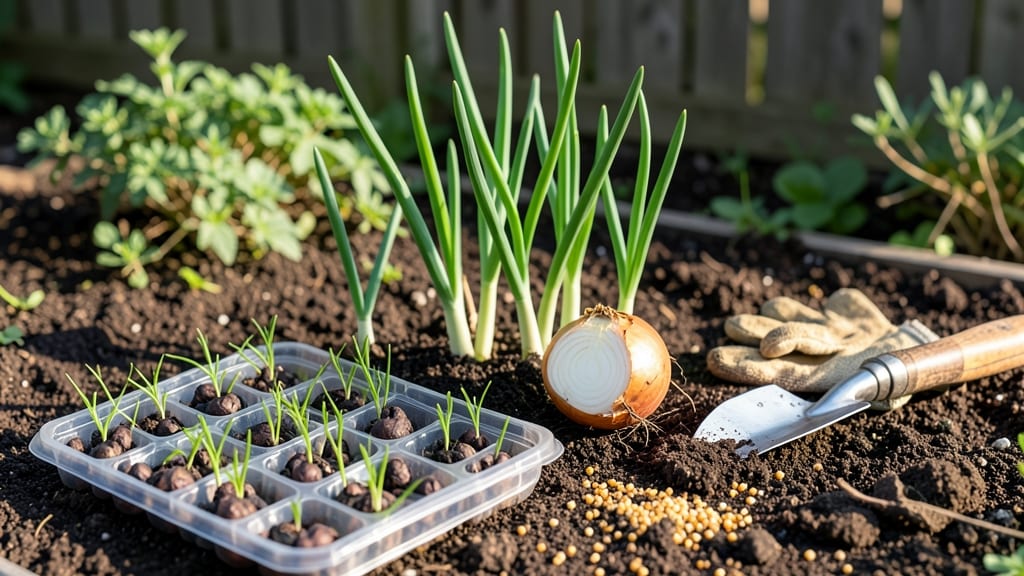
Timing your 🧅 onion planting just right in Zone 6 is the secret to sweet, flavorful bulbs—or the fast track to disappointment. Plant too early, and you risk bolting (those bitter, flowering onions we all hate).
Too late, and you might end up with puny harvests that barely cover your stir-fry needs.
I’ve learned the hard way that Zone 6’s 6a-6b climate demands precision: early spring (March-April) or late summer (July-August) are your two golden windows. But here’s the kicker—short-day onions (like ‘Texas Early White’) need different timing than long-day types (like ‘Sweet Spanish’).
Get this wrong, and you’ll be left wondering why your onions taste more like regret than savory goodness.
In this guide, I’ll break down the exact weeks before last frost you should plant, whether to start indoors or sow directly, and how to prep your soil for maximum success. No more guesswork—just a foolproof plan to grow onions that make your neighbors jealous.
Ready to turn your garden into a 🧅 powerhouse? Let’s dive into the timing, varieties, and tricks that’ll have you harvesting plump, sweet onions like a pro—no matter what Zone 6 throws your way.
Exact weeks before last frost to plant onions in Zone 6 for best results
Zone 6 gardeners know that timing is everything when planting onions. The last frost date in most of Zone 6 falls around mid-April, but onions have specific needs based on their day-length requirements.
Planting too early can trigger bolting (flowering), while planting too late may result in small, pungent bulbs instead of sweet, flavorful harvests.
For Zone 6, aim to plant onions 4-6 weeks before your last frost date. This window typically lands in late March to early April for spring planting. However, onions also thrive when planted in late summer (July-August) for a fall harvest.
Let’s break down the exact timing for each method to ensure you get the best results.
| Planting Method | Best Time in Zone 6 | Weeks Before Last Frost | Soil Temperature |
|---|---|---|---|
| Sets or Seedlings | Late March - Early April | 4-6 weeks | 40-50°F (4-10°C) |
| From Seed (Indoor Start) | Early February - March | 8-10 weeks before transplanting | 65-75°F (18-24°C) indoors |
| Direct Sowing (Spring) | Mid-April - Early May | 2-4 weeks after last frost | 50-60°F (10-15°C) |
| Fall Planting (Sets) | July - Early August | 12-14 weeks before first frost | 60-70°F (15-21°C) |
For spring planting, short-day onions (like 'Texas Early White') are your best bet. These varieties thrive when planted in late winter to early spring and don’t bolt as easily in Zone 6’s cooler climate.
If you’re growing long-day onions (such as 'Sweet Spanish'), plant them slightly later, around mid-April, to avoid premature bolting.
Zone 6’s soil temperature is another critical factor. Onions prefer soil that’s at least 40°F (4°C) for germination. Use a soil thermometer to check—if your soil is colder, wait a few more weeks.
Cold soil can delay sprouting or cause uneven growth. If you’re planting in late summer for a fall harvest, aim for soil temperatures between 60-70°F (15-21°C) for optimal growth.
Don’t forget that Zone 6’s frost dates vary slightly depending on your exact location. For example, areas like 6a (colder) may have a later last frost (early May), while 6b (warmer) might see frost by mid-April.
Check your local USDA Plant Hardiness Zone map and historical frost data to fine-tune your planting schedule. Most online gardening tools, like the Old Farmer’s Almanac, provide frost date averages for your specific area.
If you’re starting onions from seed indoors, begin sowing 8-10 weeks before your last frost date. This usually means early February for Zone 6. Transplant seedlings outdoors once they have 4-5 true leaves and the soil has warmed.
Hardening off seedlings for 7-10 days before transplanting helps them adjust to outdoor conditions and reduces transplant shock.
For direct sowing outdoors, wait until the soil is workable and the last frost is at least 2-4 weeks behind you. This typically aligns with mid-April to early May in Zone 6.
Direct-sown onions may take longer to mature but can produce bulbs just as sweet and flavorful as transplanted ones, provided they get consistent care.
One pro tip for Zone 6 gardeners: mulch your onion beds after planting to retain soil moisture and regulate temperature. Use straw or shredded leaves, keeping the mulch 2-3 inches away from the stems to prevent rot.
Mulching also helps suppress weeds, which can compete with onions for nutrients and water.
Finally, remember that onions are cool-season crops, meaning they thrive in Zone 6’s spring and fall but struggle in the heat of summer. If you plant in late spring, provide afternoon shade to prevent bolting.
For a fall harvest, plant in July-August and harvest before the first frost hits in mid-October. With the right timing, you’ll enjoy sweet, homegrown onions all season long!
Exact weeks before last frost to plant onions in Zone 6 for best results
In Zone 6, your last frost date typically falls around mid-April, but exact timing depends on your specific location within the zone. To grow sweet, flavorful onions, plant them 4-6 weeks before your last frost date for spring harvests.
For fall harvests, aim for late July to early August, allowing bulbs to mature before winter frost.
Onions are classified by day-length requirements, which directly impact planting times. Short-day onions (like 'Texas Early White') thrive when planted in early spring or late summer, while long-day onions (like 'Sweet Spanish') need cooler spring temperatures to form bulbs properly. Intermediate-day onions (like 'Yellow Granex') offer flexibility but still require precise timing.
Soil temperature is another critical factor. Onions prefer soil temps between 45°F and 75°F for optimal germination and growth. In Zone 6, soil typically reaches this range by late March to early April. If you plant too early, cold soil can stunt growth or cause rot.
| Planting Window | Onion Type | Weeks Before Last Frost | Soil Temp Requirement | Best For |
|---|---|---|---|---|
| Early Spring (March) | Short-Day & Intermediate-Day | 4-6 weeks | 45°F-60°F | Spring harvest |
| Late Summer (July-August) | All Types | N/A (direct sow) | 60°F-75°F | Fall harvest |
| Fall (September) | Short-Day Only | 8-10 weeks before first frost | 50°F-65°F | Overwintered spring harvest |
🌱 Pro Tip: Use onion sets or transplants for spring planting—direct sowing in cold soil can delay growth.
For spring planting, start seeds indoors 6-8 weeks before your last frost date to give seedlings a head start. Transplant them outdoors when soil is workable (around late March to early April in most of Zone 6).
If you're direct-sowing, wait until soil warms to at least 50°F to avoid poor germination.
In late summer, focus on short-day varieties for fall harvests. Plant them 8-10 weeks before your first frost (typically mid-October in Zone 6), ensuring bulbs mature before cold sets in. Mulch heavily to extend the growing season and protect bulbs from early frosts.
Remember, Zone 6's frost-free season is about 165 days, so plan accordingly. Short-day onions can handle cooler temps, while long-day varieties need consistent warmth. Adjust your planting schedule based on your specific microclimate—urban areas may warm faster than rural spots.