
Vegetables
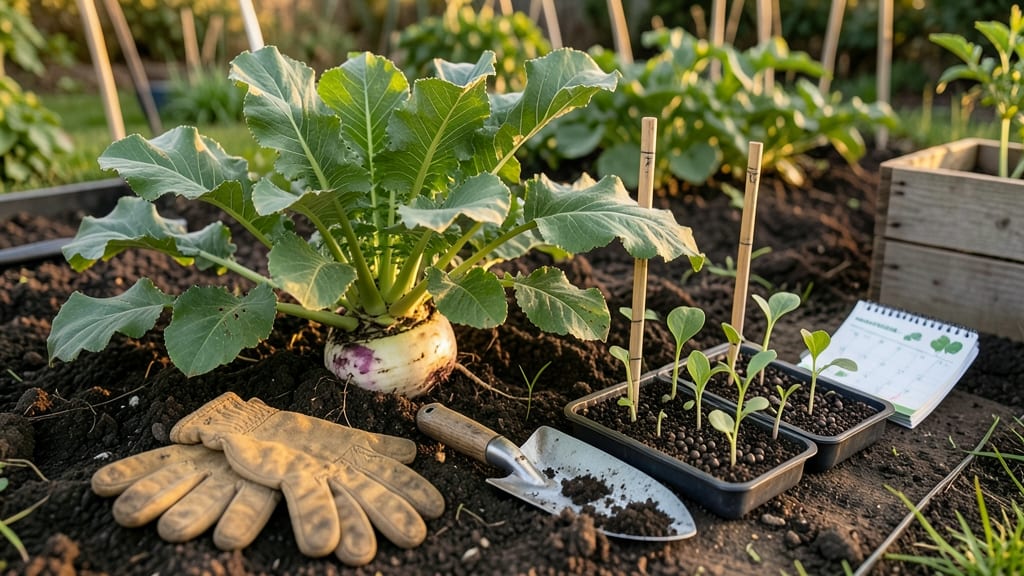
Planting turnips in the fall is your golden ticket to sweeter, more tender roots than spring—but timing it wrong means bitter harvests or wasted effort. The key?
Getting those 🥕 seeds in the ground 6-8 weeks before your first frost, when soil stays warm enough for roots to develop but nights stay cool to prevent bolting.
If you're in USDA Zone 6a (like much of the Midwest), that means aiming for mid-August to early September. Too early, and your turnips bolt before winter; too late, and they won’t mature before the ground freezes.
The sweet spot balances growth speed with frost protection, ensuring you pull perfectly sized roots before winter sets in.
I’ve learned the hard way that fall turnips need consistent moisture and well-drained soil to avoid rot, but the payoff—crisp, flavorful roots ready for harvest in 60-80 days—makes the effort worth it. Let’s break down exactly when, where, and how to plant for foolproof success in your garden.
Whether you’re a seasoned gardener or trying turnips for the first time, these tips will help you avoid common mistakes and maximize your harvest. Ready to dig in?
Optimal fall planting timeline for turnips by USDA hardiness Zones
Planting turnips in the fall is all about timing the frost. The sweet spot? 6-8 weeks before your first frost date—this gives roots enough time to mature before winter sets in.
In USDA Zones 3-5, aim for late August to early September, while Zones 6-8 can start as late as mid-September. The key is ensuring soil temps stay above 40°F (4°C) for consistent germination.
Why this window? Turnips need 60-80 days to harvest, and planting too early risks bolting (flowering) from heat stress, while planting too late means small, underdeveloped roots before frost. I’ve learned the hard way—skipping this window can turn your crisp turnips into tough, pithy disappointments!
Here’s how to calculate your perfect planting date: Check your average first frost date (use the USDA Plant Hardiness Zone Map), then count back 6-8 weeks. For example, if frost hits November 15, plant between September 22 and October 10.
Pro tip: Bookmark the Old Farmer’s Almanac frost calculator for quick lookups!
Soil temperature matters just as much as frost dates. Turnip seeds won’t germinate well below 40°F (4°C), so avoid planting when nighttime temps dip near freezing. In cooler climates (Zones 3-4), wait until soil warms to at least 50°F (10°C) during the day.
Use a soil thermometer to check—it’s a game-changer for success!
Regional tweaks make all the difference. In Southern climates (Zones 7-10), where frosts are rare, focus on late summer (August) for a fall harvest before winter rains arrive. Meanwhile, Northern gardeners (Zones 1-3) should plant early August to beat the early frosts.
I once grew turnips in Zone 4 by planting in mid-August—they survived light frosts and tasted sweeter than spring-planted ones!
Don’t overlook succession planting for a longer harvest. In Zones 5-8, sow seeds every 2-3 weeks from early August until 6 weeks before frost. This ensures a steady supply of turnips—some mature before the first frost, while later plantings overwinter for spring harvests.
I’ve used this trick to enjoy turnips from October through March in my Zone 6 garden!
For container gardeners, timing is even more critical. Turnips in pots need warmer soil to germinate, so start seeds 1-2 weeks earlier than in-ground plantings. Use black plastic mulch to raise soil temps by 5-10°F (3-6°C).
I’ve had great success with 5-gallon buckets filled with well-draining mix—just remember to water consistently to prevent drying out.
One final pro tip: Test your soil pH before planting. Turnips thrive in 6.0-7.0 pH—below 6.0, and they struggle to absorb nutrients. Amend with lime if needed, but avoid overdoing it—too alkaline, and you’ll get bitter-tasting roots.
I always test my soil in early summer so I’m ready for fall plantings!
With the right timing, your fall turnips will be sweeter, crisper, and more flavorful than spring varieties. Just remember: count back from frost, check soil temps, and adjust for your zone. Happy planting—your taste buds (and dinner table) will thank you! 🥕
Optimal fall planting timeline for turnips by USDA hardiness Zones
Finding the perfect window to plant turnips in fall depends entirely on your USDA hardiness zone and your first frost date. The golden rule is to sow seeds 6-8 weeks before frost—this gives roots enough time to mature before winter sets in.
For example, in Zone 5 (like Chicago), aim for late August, while Zone 8 (like Florida) can plant until early October.
Soil temperature is just as critical as frost dates. Turnip seeds need 45-85°F soil to germinate, so wait until the ground cools slightly after summer’s heat. Use a soil thermometer to check—if it’s below 45°F, wait a few days.
Too cold, and your seeds won’t sprout; too warm, and they’ll bolt prematurely.
Here’s how to calculate your ideal planting window: Subtract 6-8 weeks from your average first frost date. For instance, if frost hits November 15, plant between September 24 and October 10. Pro tip: Check your local Cooperative Extension Service for precise frost data tailored to your area.
Regional tweaks matter too. In Southern climates, where winters are mild, you can push planting later—even into November—but avoid sowing when nights dip below 40°F. Meanwhile, Northern gardeners should prioritize early August plantings to beat frost.
My first year growing turnips in Zone 6a, I planted too late and lost half my crop to early frost—now I mark my calendar with colored flags for frost dates!
For container gardeners, timing is even trickier. Since pots cool faster, plant 2-3 weeks earlier than in-ground beds to compensate. Use black plastic mulch to warm soil and extend the season by 1-2 weeks. Just remember: Turnips need 60-80 days to mature, so crunch the numbers before you sow.
Once you’ve nailed the timing, focus on well-draining soil and consistent moisture to avoid common pitfalls like rot or bolting. The payoff? Turnips that stay crisp and sweet even after light frosts—perfect for fall harvests straight from the garden.