
Watering
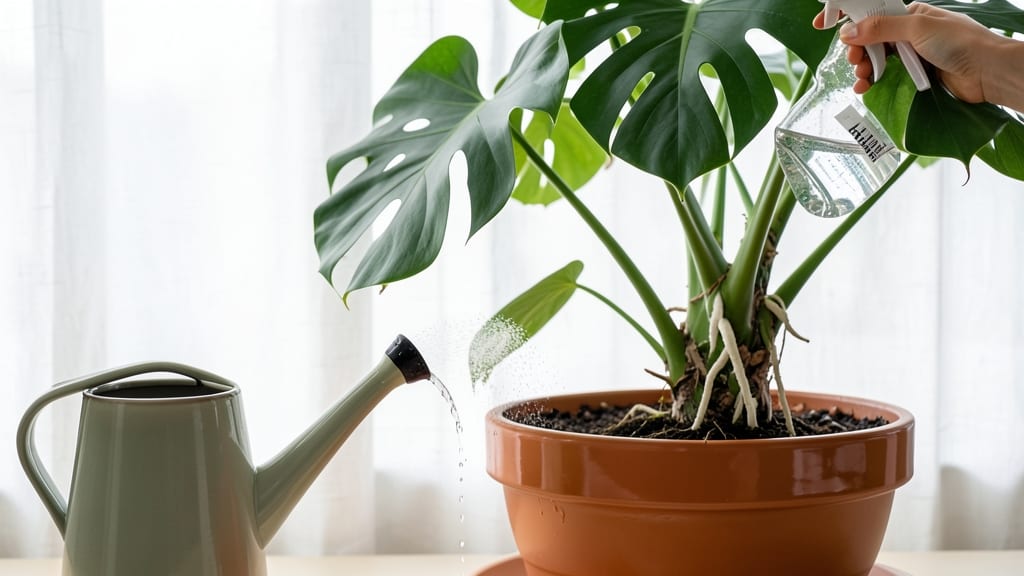
To keep your monstera plant how much water it needs is the first step—and getting it wrong can mean drooping leaves or worse. This tropical beauty 🌿 loves moisture but despises soggy soil, so striking the right balance is everything.
I’ve seen firsthand how a simple watering mistake can turn vibrant green leaves into sad, yellowing fronds. The key isn’t just when you water but how much—and it changes with seasons, pot size, and even humidity levels in your home.
In this guide, I’ll break down the exact watering schedule your Monstera craves, from the finger-test method to seasonal adjustments. You’ll learn how to spot over- or under-watering before it’s too late and keep those iconic split leaves looking their best.
Ready to transform your plant-care routine? Let’s dive into the simple, science-backed tips that’ll have your Monstera reaching for the sky in no time.


How often to water a Monstera plant based on soil dryness
I’ve learned the hard way that Monsteras don’t like guesswork when it comes to water. These tropical plants thrive on consistent moisture but despise soggy roots—so finding that sweet spot is key. The finger-test method is my go-to trick to avoid overwatering or underwatering.
Stick your finger about 1-2 inches deep into the soil: if it feels dry, it’s time to water. If it’s still damp, wait another day or two.
Your Monstera’s pot size and material also change the game. A 6-inch clay pot dries out faster than a 10-inch plastic pot because clay breathes. In summer, I water my Monsteras every 7-10 days, while winter slows growth, so I stretch it to every 2-3 weeks.
The key? Always water until it drains from the bottom—no standing water!
| Soil Condition | Watering Action | Frequency |
|---|---|---|
| Top 1-2 inches dry | Water thoroughly | Every 7-10 days (summer) |
| Damp but not soggy | Hold off 1-2 days | Every 10-14 days (spring/fall) |
| Cold, clumpy soil | Water lightly | Every 3-4 weeks (winter) |
| Soggy, foul-smelling soil | Let dry completely | Skip watering until dry |
Seasonal shifts matter too. In summer’s heat, Monsteras drink more water, so I check soil moisture daily and adjust accordingly. During winter dormancy, growth slows, and overwatering becomes a real risk.
I’ve even moved my Monstera closer to a humidifier in dry months—this mimics its tropical home and cuts down on watering frequency by keeping leaves hydrated from the air.
Pro tip: If your Monstera’s leaves start drooping midday, it’s often thirsty. But if they feel mushy or blackened, you’ve overdone it. The fix? Let the soil dry out completely before watering again. I’ve revived many a sad Monstera with this simple reset—patience is key!
For container growers, pot size dictates water needs. A small 4-inch pot needs watering every 5-7 days, while a large 12-inch pot can go 2-3 weeks between waterings.
Always use a pot with drainage holes—no exceptions. I’ve seen root rot destroy Monsteras in sealed containers, and it’s heartbreaking to watch.
Light levels also play a sneaky role. A Monstera in low light grows slower and needs less water, while one basking in bright indirect light will drink more. I rotate my plant every few months to ensure even growth and consistent moisture needs.
And remember: tap water can build up salts over time—if you notice white crust on the soil, flush it with filtered or distilled water every few months.
One of my biggest mistakes? Watering on a strict schedule instead of checking the soil. Now, I always test moisture before watering—it’s saved my Monsteras from both root rot and crispy brown edges.
Start with the finger test, adjust for your home’s humidity, and watch your Monstera thrive with those iconic split leaves.
Finally, if you’re still unsure, group your Monsteras with other plants. A pebble tray under the pot or a self-watering planter can help maintain steady moisture without guesswork. Just don’t let the plant sit in standing water—Monsteras hate wet feet!
With these tips, you’ll master the art of watering and keep your Monstera lush and happy year-round.
How often to water a Monstera plant based on soil dryness
Monstera plants thrive on a consistent moisture schedule, but getting it right means checking the soil dryness—not just sticking to a weekly routine. I’ve learned the hard way that overwatering (my first mistake) causes root rot, while underwatering leads to crispy, brown edges.
The key? A finger test every 7-10 days to gauge moisture levels before watering.
Start by inserting your finger 1-2 inches deep into the soil. If it feels completely dry, it’s time to water. If it’s still slightly damp, wait another day or two.
This method works for most indoor Monsteras, but adjust based on your pot size and season. Smaller pots dry out faster than large ones, while winter slows evaporation.
Here’s a quick soil-moisture guide to help you visualize dryness levels:
| Soil Dryness Level | Appearance | Watering Action |
|---|---|---|
| Bone Dry | Cracks on surface, no moisture | Water deeply until drainage |
| Dry (1-2 inches down) | Top layer dry, damp below | Water thoroughly |
| Slightly Damp | Moisture at 2+ inches | Hold off 1-2 days |
| Wet/Soggy | Water pools on surface | Skip watering; check drainage |
Seasonal adjustments are critical. In spring and summer, Monsteras drink more water due to active growth, so I water every 7-10 days. During fall and winter, growth slows, and I stretch watering to every 2-3 weeks. Always use room-temperature water to avoid shocking the roots—cold water can stress your plant.
Another pro tip? Bottom-watering helps prevent overwatering. Place your pot in a tray of water for 10-15 minutes, letting the soil absorb moisture from below. This method ensures even hydration without soggy topsoil. I swear by it for my larger Monsteras with thick leaves!
Pay attention to your pot material too. Terracotta pots dry out faster than plastic, so terracotta-loving Monsteras may need watering 2-3 days earlier. If you notice yellowing leaves or mushy stems, it’s a red flag—your plant might be root-bound or suffering from overwatering.
Adjust your schedule and repot if needed.
Finally, humidity matters. If your home is dry (common in winter with heating), your Monstera will need more frequent watering because the air pulls moisture from the soil faster. A humidifier or pebble tray can help maintain ideal conditions while keeping your watering routine consistent.