
How To
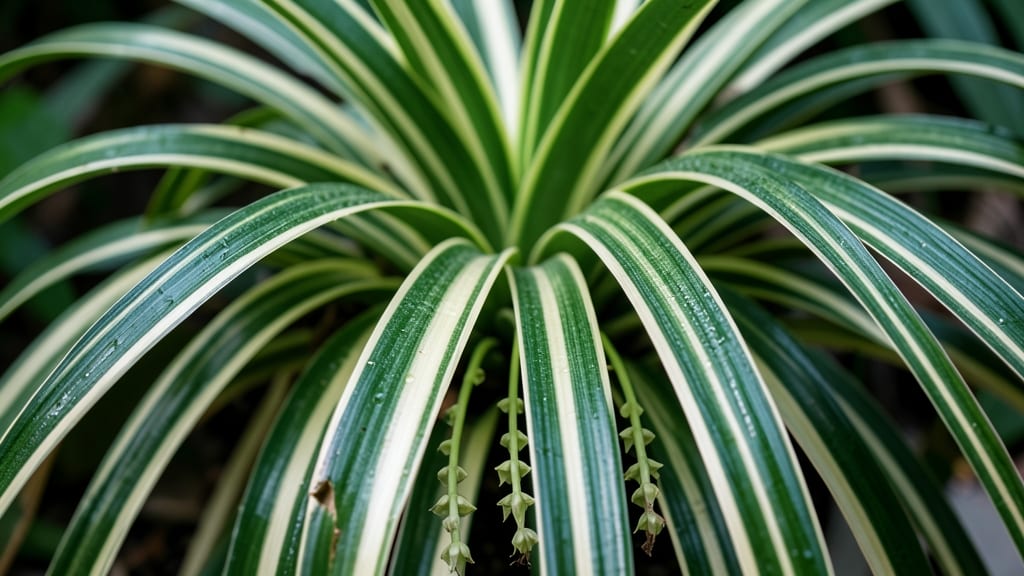
If your 🕷️ spider plant how much light it needs is the secret to keeping its bold stripes and lush growth, you’re in the right place.
These hardy plants thrive in bright indirect sunlight, but too much direct sun or dim corners can stunt their growth and dull their vibrant colors.
Most people assume spider plants are low-maintenance, but getting the light just right is the key to keeping them lush and healthy. Whether you're dealing with yellowing leaves or slow growth, understanding their light needs can make all the difference in your plant's appearance and vitality.
In this guide, I’ll break down exactly how much light your spider plant needs—from ideal window placement to troubleshooting common light-related issues. You’ll learn how to spot signs of over- or under-exposure and adjust your plant’s environment for faster, easier care.
Ready to transform your spider plant from struggling to stunning? Let’s dive into the perfect lighting setup for a thriving 🕷️ spider plant that stays vibrant year-round.


Ideal light conditions for a healthy spider plant: bright indirect sunlight explained
Your spider plant (Chlorophytum comosum) thrives in bright indirect sunlight, making it perfect for most indoor spaces. Unlike sun-loving plants, it avoids harsh rays that cause leaf burn.
Think of it like a morning coffee drinker—it enjoys gentle light but not the midday sun. Let’s break down exactly what your plant needs to flourish.
Indoor spider plants do best near east-facing windows or north-facing windows, where sunlight is soft yet abundant. If you’re using artificial grow lights, a 12-hour daily cycle with 1,000-2,000 lux mimics natural light perfectly.
Avoid placing them in direct afternoon sun, especially on south- or west-facing windows, where UV rays can scorch delicate leaves.
If your spider plant’s leaves start looking dull or stretched, it’s begging for more light. Move it closer to a window or supplement with a LED grow light for 6-8 hours daily.
On the flip side, if the tips turn brown and crispy, it’s getting too much direct sun—rotate the pot or add a sheer curtain to diffuse the light.
For outdoor placement, your spider plant can handle partial shade on a covered patio or balcony, especially in hot climates. Just avoid full sun exposure, which can cause leaf scorch.
In cooler months, bring it indoors to maintain its ideal light conditions and prevent stress from temperature swings.
Pro tip: Rotate your plant every 2-4 weeks so all sides get even light exposure. This prevents leggy growth or uneven foliage. A well-lit spider plant will reward you with longer, striped leaves and more spiderettes for propagation!
Remember, spider plants are adaptable, but they thrive in bright indirect light. If you notice yellowing leaves or weak stems, it’s time to reassess its light situation. With the right conditions, your plant will stay lush and happy for years.
🕷️
Ideal light conditions for a healthy spider plant: bright indirect sunlight explained
Your spider plant thrives in bright indirect light, making it perfect for most homes. Too much direct sun causes leaf burn, while too little dims its iconic striped pattern.
The key is finding that sweet spot—like a east-facing window where morning sun gently brightens the room without scorching.
Think of your spider plant’s light needs like a coffee lover’s: it enjoys plenty of ambiance but gets jittery in harsh sunlight. North-facing windows work well too, offering consistent, soft light. Even artificial grow lights (12-14 hours daily) can keep it happy if natural light is scarce.
| Light Condition | Ideal Placement | Signs of Stress |
|---|---|---|
| Bright Indirect Light (40%) | East/west window, 2-3 ft away | Healthy green leaves, striped pattern |
| Low Light (<30%) | North window or dim room | Pale leaves, weak growth, fewer spiderettes |
| Direct Sun (>50%) | South window without curtains | Brown patches, crispy edges, bleached stripes |
If your spider plant starts looking sad, check its leaves for clues. Yellowing edges often mean too much direct sun, while pale, stretched leaves scream for more light. Rotate your plant quarter-turn weekly to ensure even growth—uneven light causes lopsided foliage.
For artificial lighting, LED grow lights with a cool white spectrum (5000K-6500K) mimic natural light perfectly. Place them 6-12 inches above the plant and keep them on for 12-14 hours daily. This works wonders for bathrooms or office spaces with limited natural light.
Seasonal changes matter too! In winter, when sunlight weakens, move your plant closer to the window or supplement with a grow light. Conversely, in summer, shield it from intense afternoon sun with sheer curtains to avoid leaf scorch.
Pro tip: Test your light levels with a light meter app (aim for 500-1000 lux). If your space falls short, try a south-facing window with a sheer curtain—it’s the goldilocks zone for spider plants! 🌱