
How To
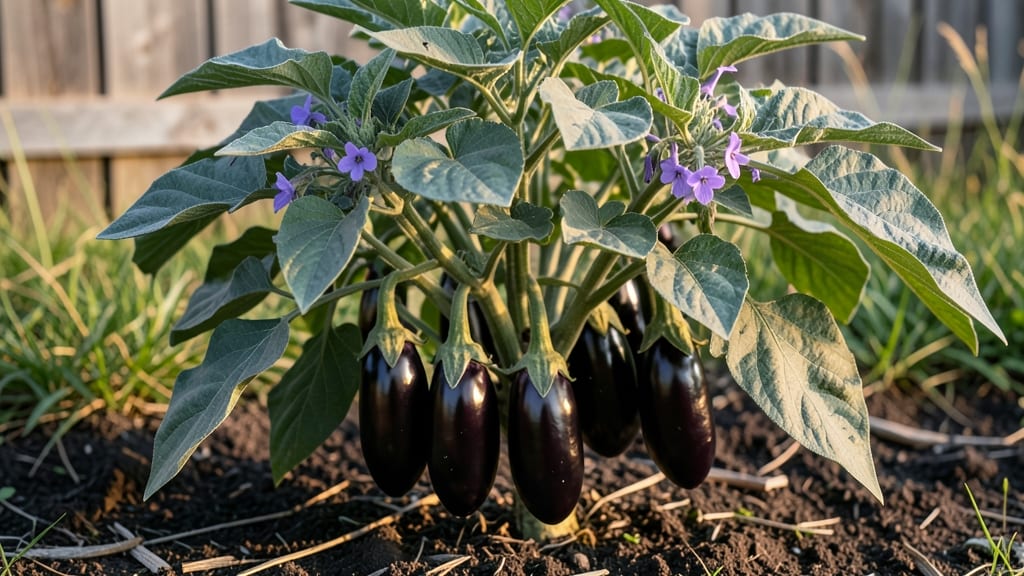
How tall does Black Beauty eggplant grow? This classic variety can reach 3 to 4 feet when given the right conditions, making it a surprisingly tall and productive plant for both garden beds and containers. If you're dreaming of a bountiful harvest but worried about space, this versatile plant adapts well—whether planted in soil or a container. Understanding its growth habits is the key to maximizing yield without sacrificing plant health. Too little space leads to leggy vines and smaller fruit, while proper spacing ensures robust growth and bigger, glossier eggplants. Whether you're working with a small balcony or a backyard plot, knowing how to manage its height will make all the difference in your harvest. In this guide, I’ll break down exactly how tall Black Beauty eggplant grows in different settings—from garden beds to containers—and share space-saving techniques to keep your plants happy and productive. You’ll learn when to prune, how to trellis for vertical growth, and why spacing matters more than you might think. Ready to grow a thriving Black Beauty eggplant? Let’s dive into the details so you can plan your garden—or container—for success.


Black Beauty eggplant height & growth habits: what to expect in gardens & containers
If you're planning to grow Black Beauty eggplant, understanding its mature height is key to maximizing your harvest.
This popular variety typically reaches 3 to 4 feet tall under ideal conditions, but its indeterminate growth means it can stretch taller—sometimes up to 5 feet—if given enough space and nutrients. The key is balancing its vertical growth with proper pruning and container size to ensure healthy fruit production.
Black Beauty eggplants are known for their vigorous vine spread, which can reach 3 to 4 feet wide as well. This sprawling habit is why many gardeners opt for trellising or container gardening to save space.
Without intervention, these plants can become top-heavy, leading to broken stems or reduced yields. Knowing how to manage their growth ensures you get plump, glossy eggplants instead of struggling with unruly plants.
In garden beds, Black Beauty eggplants thrive with 18 to 24 inches of spacing between plants. This gives them room to grow without competing for nutrients or light.
If you're growing in containers, opt for pots that are at least 12 to 18 inches in diameter and 12 inches deep to accommodate their root system. Smaller containers can stunt growth, leading to shorter plants and smaller fruit.
Here’s a quick breakdown of what to expect at each growth stage:
One of the biggest factors affecting Black Beauty eggplant height is whether you’re growing it in the ground or in containers. In garden beds, these plants have more room to spread their roots and grow taller, often reaching the upper end of the 3–5 feet range.
In contrast, container-grown eggplants may stay shorter—around 2–3 feet—unless you provide support like a trellis or cage. This is because their roots are confined, limiting their ability to access nutrients and water.
Pruning plays a crucial role in managing height. By removing side shoots and lower leaves, you encourage the plant to focus its energy on producing larger fruit rather than growing taller.
I recommend pruning every 2–3 weeks during the growing season to keep the plant compact and improve airflow, which reduces the risk of disease. This technique is especially useful if you’re growing in small spaces or containers.
Light exposure also impacts height. Black Beauty eggplants need 6–8 hours of full sun daily to grow to their full potential. If they don’t get enough sunlight, they’ll grow taller and leggy in search of light, but this often results in smaller, less flavorful fruit.
If you’re growing in partial shade, expect the plant to stay shorter—around 2–3 feet—but you may also see reduced yields. Always prioritize a sunny location for the best results.
Another factor to consider is soil fertility. Eggplants are heavy feeders, and a lack of nutrients—especially phosphorus and potassium—can stunt their growth. If your soil is poor, your Black Beauty eggplant may grow too short or produce fewer flowers and fruit.
To avoid this, amend your soil with compost or balanced fertilizer (like a 5-10-10 blend) before planting. Regular feeding every 4–6 weeks during the growing season will help maintain healthy growth.
Finally, remember that harvesting regularly encourages the plant to continue producing fruit rather than focusing on height. Eggplants are prolific, and if you let too many fruits mature at once, the plant may channel its energy into growing taller instead of producing more.
Aim to harvest every 7–10 days once the fruit reaches 4–6 inches in length to keep the plant balanced and productive.
Black Beauty eggplant height & growth habits: what to expect in gardens & containers
If you're planning to grow Black Beauty eggplant in your garden or containers, knowing its mature height is key to avoiding overcrowding and maximizing fruit production. This popular variety typically reaches 3 to 4 feet tall at maturity, with vines spreading 2 to 3 feet wide.
Understanding these dimensions helps you decide whether to plant it in-ground, in large pots, or even vertically. Without proper spacing, your plants may struggle, leading to smaller fruit and weaker stems.
The Black Beauty eggplant is an indeterminate grower, meaning it continues producing new leaves and branches throughout the growing season. This habit contributes to its height, especially if left unpruned.
In ideal conditions—full sun (6-8 hours daily) and well-draining soil—it can even exceed 4 feet, though this is less common. For container gardening, height may be slightly reduced due to root restrictions, but proper care can still yield a 2- to 3-foot-tall plant.
🌱 Black Beauty Eggplant Growth Summary
| Growth Factor | Details |
|---|---|
| Mature Height | 3–4 feet (90–120 cm) |
| Spread (Width) | 2–3 feet (60–90 cm) |
| Growth Type | Indeterminate (continuous growth) |
| Container Height Needs | Minimum 18 inches deep |
| Pruning Impact | Reduces height by 20–30% |
Note: Height varies based on growing conditions, pruning, and container size.
When growing Black Beauty eggplant in containers, height can be influenced by the pot’s depth and diameter. A minimum 18-inch-deep container with a 12-inch diameter is ideal to support root growth and stability.
Shallower pots may stunt growth, while larger containers encourage taller, bushier plants. In-ground, these eggplants thrive with 18–24 inches of spacing between plants to prevent competition for nutrients and sunlight.
Pruning plays a significant role in managing height. By removing suckers (side shoots) and lower leaves, you can reduce the plant’s height by 20–30% while improving airflow and fruit quality. This technique is especially useful for container gardeners or those with limited space.
Just be sure to prune in the morning to allow wounds to heal during the day, reducing disease risk.
Another factor affecting height is the growing season length. In warmer climates with longer growing seasons, Black Beauty eggplant may continue growing taller and producing fruit later into the fall.
In cooler regions, growth slows as temperatures drop, often capping height at 3 feet by early autumn. Always monitor your plants and adjust care routines accordingly to support healthy growth.
For those growing Black Beauty eggplant in small spaces, consider training vines vertically using a trellis or cage. This method not only saves space but also makes harvesting easier. Just ensure your support structure is sturdy enough to hold the plant’s weight as it matures—especially when laden with fruit.
With the right approach, you can enjoy a bountiful harvest without sacrificing your garden’s layout.