
Plants
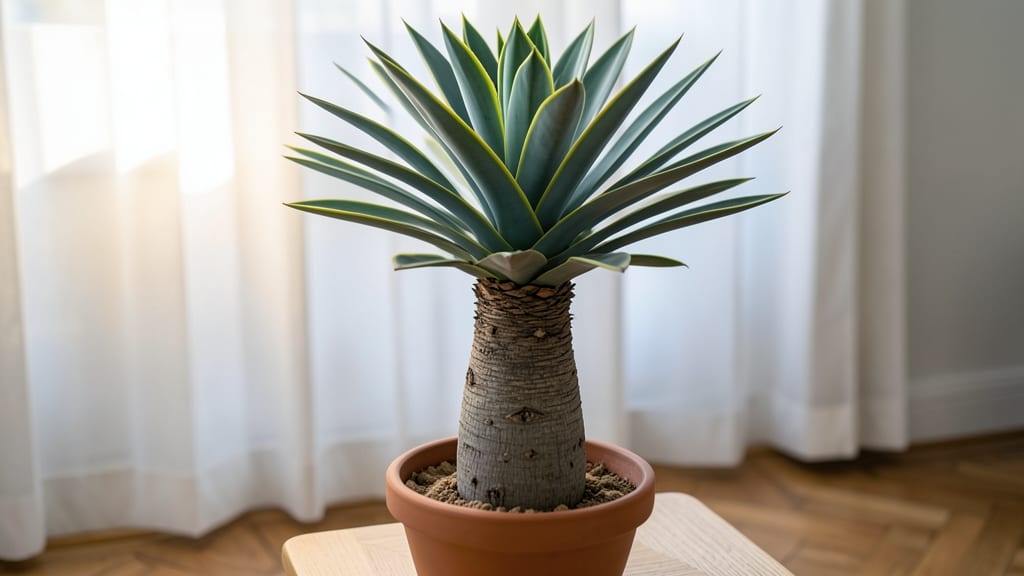
If you're wondering how tall a yucca plant can grow, you're in for a surprise—because these striking 🌵 varieties range from compact patio plants to towering desert giants that dominate entire landscapes.
Some species stay neatly under 6 feet, making them perfect for small yards, while others can soar to 30 feet or more, rivaling small trees in height.
The key to unlocking your yucca's full potential lies in understanding its variety, as Yucca filamentosa and Yucca rostrata grow differently based on their natural habitats.
Whether you're planting in USDA Zone 6a or a warmer climate, knowing these height variations helps you choose the right plant for your space—without ending up with an accidental jungle.
But height isn't just about genetics—sunlight, soil quality, and even pruning habits play a role in how much your yucca stretches toward the sky.
I'll break down the factors that influence growth, so you can nurture a yucca that fits your vision, whether you want a dwarf statement plant or a bold architectural centerpiece.
Ready to discover the perfect yucca for your garden? Let’s explore the stunning range of heights and how to care for them, so you can grow with confidence—no guesswork required.


Yucca plant height by variety: from dwarf to towering giants
Yucca plants are famous for their striking, sword-like foliage and dramatic vertical growth, but did you know their mature heights can vary wildly depending on the species? Some varieties stay compact enough for containers, while others grow tall enough to rival small trees.
If you're planning your landscape, knowing these height ranges will help you choose the perfect yucca for your space.
The smallest yucca varieties—like Yucca elephantipes 'Color Guard'—top out around 3-6 feet, making them ideal for patios and urban gardens. On the other end of the spectrum, Yucca rostrata and Yucca baccata can reach 10-30 feet, creating bold focal points in desert landscapes or large yards.
Even within the same species, height can differ based on growing conditions and care.
Here’s a quick comparison to help you visualize: A 6-foot yucca is roughly the height of a basketball hoop, while a 20-foot yucca towers over a two-story house.
If you’re working with limited space, dwarf varieties are your best bet, but don’t underestimate their impact—even small yuccas pack architectural punch with their rigid, upright growth habit.
| Variety | Mature Height | Growth Habit | Best For |
|---|---|---|---|
| Yucca filamentosa | 3–6 ft | Clumping shrub | Borders, containers, urban gardens |
| Yucca elephantipes | 6–10 ft | Tree-like trunk | Large patios, desert landscapes |
| Yucca rostrata | 10–20 ft | Tall, slender stems | Desert gardens, large yards |
| Yucca baccata | 10–30 ft | Multi-stemmed shrub | Wildlife habitats, arid landscapes |
| Yucca whipplei | 3–8 ft | Compact, rosette-forming | Rock gardens, containers |
| Yucca gloriosa | 3–6 ft | Clumping, arching leaves | Mediterranean-style gardens |
If you’re eyeing a yucca for containers, focus on varieties like Yucca filamentosa or Yucca whipplei, which stay under 6 feet and thrive in pots. For a statement plant in open spaces, Yucca rostrata or Yucca baccata will deliver that wow factor with their towering presence.
Just remember: yuccas grow slowly but steadily, so give them room to expand over time.
One of my favorite yucca hybrids is Yucca 'Bright Star', a compact variety that reaches 4–5 feet and produces striking white blooms. It’s perfect for small gardens or as a container specimen on a sunny patio.
For a wild, natural look, Yucca baccata forms dense thickets up to 30 feet, making it a favorite for erosion control in arid regions.
Before planting, check your local climate zone—yuccas thrive in USDA zones 4–10, but their growth rate accelerates in hot, dry climates like the Southwest. In cooler regions, they may grow more slowly but still reach their maximum potential height over time.
If you’re unsure about a variety’s mature size, ask your local nursery for guidance—they often have mature plant photos to help you visualize.
For urban gardeners with limited space, consider dwarf yuccas like Yucca 'Gold Heart', which stays under 4 feet and adds a pop of color with its variegated leaves. These varieties are perfect for balconies, rooftop gardens, or small courtyards where taller plants wouldn’t fit.
Just ensure they get full sun—yuccas won’t thrive in shade, no matter how compact they are.
Pro tip: If you’re growing a large yucca variety and want to control its height, prune it back in late winter or early spring before new growth begins. This won’t stunt its growth permanently but
How fast do yucca plants grow and what affects their height?
Yucca plants are famous for their slow-and-steady growth, making them perfect for gardeners who love low-maintenance plants. On average, most yucca varieties grow about 6-12 inches per year during their active seasons, though some fast-growing types can reach 18 inches annually under ideal conditions.
This means a 10-foot yucca might take 10-15 years to reach maturity, depending on the species and growing environment.
Understanding what influences their growth helps you control their height or encourage faster development. The biggest factors are sunlight exposure, soil quality, and climate conditions. Yuccas thrive in full sun (6+ hours daily), which directly impacts their growth rate.
In hot, arid climates like USDA Zones 7-10, they grow faster due to natural drought conditions that mimic their native habitat.
🌵
If you're growing yucca in containers, expect slower growth compared to in-ground plants. Container roots become root-bound faster, limiting their height potential.
To maximize growth, use large pots (20+ gallons) with fast-draining mix (like cactus soil) and fertilize lightly in spring and early summer with a balanced 5-10-10 fertilizer.
For gardeners in cooler climates (Zones 5-6), yucca growth slows dramatically. These plants are dormant in winter and may not grow at all until temperatures rise above 50°F consistently.
In these areas, consider yucca filamentosa or yucca recurvifolia, which are hardier and grow slightly faster than tropical varieties.
To control yucca height in small spaces, prune back overly tall stems in early spring before new growth begins. Cut just above a leaf node to encourage bushier growth. For aggressive growers like yucca elephantipes, you may need to prune annually to maintain manageable size.
🌿