
Plants
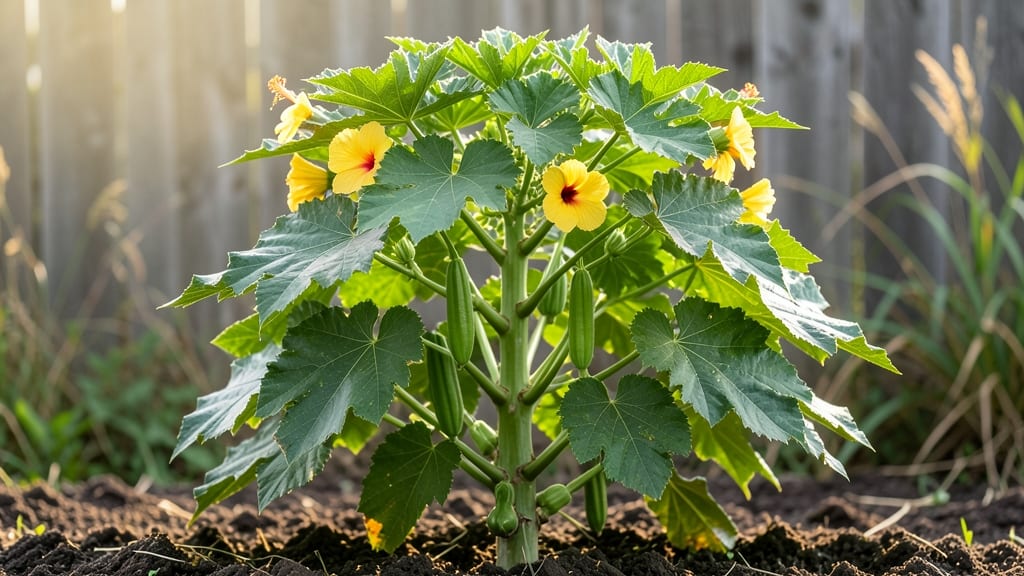
If you’ve ever wondered how tall an okra plant can grow, the answer might surprise you—this tropical veggie can shoot up like a sunflower on steroids, reaching heights that dwarf most backyard plants.
Some varieties stretch 6 to 10 feet tall, while others stay compact, making them perfect for containers or small plots. The key to controlling their growth lies in choosing the right variety and giving them the care they crave.
Picture this: a waist-high okra plant in your garden by midsummer, its glossy pods hanging like nature’s green lanterns. But before you picture a jungle of vines, know that dwarf varieties can stay as short as 2 to 4 feet, ideal for balconies or raised beds.
Whether you’re working with limited space or a sprawling plot, understanding how tall your okra will grow helps you plan—whether you’re training it to climb or keeping it bushy and manageable.
The height of your okra isn’t just about genetics; it’s also about the environment. Warmth, sunlight, and even a little pruning can nudge those plants toward their full potential—or keep them in check. In Zone 6a, where summers are hot but growing seasons are short, timing is everything.
Plant after the last frost, and you’ll have a head start on coaxing those plants to reach their peak (or trim them back if they get too ambitious).
Ready to turn your garden into an okra powerhouse? I’ll walk you through the best varieties for your space, how to encourage (or rein in) their growth, and why the right care makes all the difference. Let’s get growing!


Okra plant height by variety: from compact to towering giants
Okra plants are famous for their impressive height, but not all varieties grow to the same towering stature. Some can reach waist height or even taller than a standard kitchen counter, while others stay compact enough for small balconies or containers.
The right variety can transform your garden space from cramped to sprawling—without sacrificing yield.
If you're working with limited space, dwarf varieties like 'Burgundy' or 'Emerald' are perfect, topping out at just 2–4 feet. These are ideal for container gardening or urban plots where vertical growth isn't feasible.
On the other end of the spectrum, standard varieties like 'Clemson Spineless' can soar to 8–10 feet, making them a dramatic focal point in larger gardens.
Here’s the key: height isn’t just about space—it also affects harvest ease, airflow, and even pest control. Taller okra needs staking or trellising to prevent sprawling, while shorter types may produce pods closer to the ground, making them easier to pick.
Let’s break down the most popular varieties and their mature heights to help you choose wisely.
| Variety | Mature Height | Best For | Pod Color |
|---|---|---|---|
| Clemson Spineless | 6–10 ft | Large gardens, trellising | Green |
| Burgundy | 2–4 ft | Containers, small spaces | Purple-red |
| Emerald | 3–5 ft | Balconies, raised beds | Green |
| Jinny | 4–6 ft | Small gardens, bushy growth | Green |
| Arkansas Little Lightning | 2–3 ft | Containers, early harvest | Green |
📏 Pro Tip: Measure your space before planting—okra’s root system spreads widely!
Choosing the right variety isn’t just about height—it’s also about harvest timing and pod quality. For example, 'Clemson Spineless' produces long, slender pods perfect for stir-fries, while 'Burgundy' offers a unique purple hue that adds visual appeal to dishes.
If you’re growing okra in containers, prioritize dwarf types like 'Arkansas Little Lightning' to avoid overcrowding.
One common misconception is that taller okra always means more yield. In reality, bushier varieties like 'Jinny' can produce just as many pods in a smaller footprint. The trade-off?
You’ll need to harvest more frequently to keep the plant from becoming overcrowded or woody. Always aim to pick pods when they’re 2–3 inches long for the best texture.
For gardeners in cooler climates (USDA Zones 6–8), taller varieties like 'Clemson Spineless' thrive with their extra height acting as a heat sink, helping them absorb more sunlight. In contrast, shorter varieties are better suited for short growing seasons because they mature faster.
If you’re in Zone 9 or warmer, you can push okra to its full height potential without worrying about frost.
Visualizing okra’s height can be tricky, so here’s a quick reference: A 6-foot okra plant is roughly the height of a standard door frame, while a 10-foot specimen can rival a lamppost.
If you’re unsure about your garden’s layout, sketch a rough outline of your space and mark where each variety would fit. This simple step can save you from overcrowding or shadowing issues later in the season.
Remember, okra’s height is influenced by more than just genetics—soil nutrients, watering habits, and even pruning techniques play a role.
In the next section, we’ll dive into how to optimize growth for your specific climate and garden setup, whether you’re aiming for a towering giant or a compact bush. 🌱
Okra plant height by variety: from compact to towering giants
Okra plants can range from waist-high shrubs to tall garden giants, depending on the variety you choose. Most standard types reach 6 to 10 feet tall, while dwarf varieties stay between 2 to 4 feet.
If you're working with limited space, selecting the right okra type can make all the difference in your garden layout.
For example, the popular Clemson Spineless variety can grow up to 8 feet tall with proper care, while Burgundy okra typically maxes out at 5 to 6 feet.
Even smaller gardens can accommodate okra if you opt for dwarf varieties like Emerald, which rarely exceed 3 feet in height.
| Variety | Mature Height | Best For | Notes |
|---|---|---|---|
| Clemson Spineless | 6–10 ft | Large gardens, trellising | Most productive standard variety |
| Burgundy | 5–6 ft | Medium spaces, containers | Dark green pods, heat-tolerant |
| Emerald | 2–4 ft | Balconies, small gardens | Compact, early producer |
| Arkansas Little Leaf | 4–5 ft | Small gardens, containers | Slender stems, great for trellising |
If you're growing okra in containers, choose dwarf or semi-dwarf varieties to avoid overcrowding. Even these smaller types can produce abundant pods if given enough sunlight and nutrients. For large garden plots, taller varieties like Clemson Spineless thrive when given space to spread their roots.
Pro tip: If you're unsure about height, start with one standard variety and one dwarf variety to compare growth patterns in your specific climate. This way, you can see firsthand how okra adapts to your garden's conditions.
Remember, okra's height isn't just about aesthetics—it also affects pod production and harvesting ease. Taller plants may produce more pods but require staking, while dwarf varieties are easier to maintain but yield less. Balance your space and harvest goals when selecting varieties.
For reference, a fully grown okra plant can reach waist height or taller, making it a dramatic addition to any garden. With the right variety, even urban gardeners with limited space can enjoy fresh okra pods all summer long.