
Plants
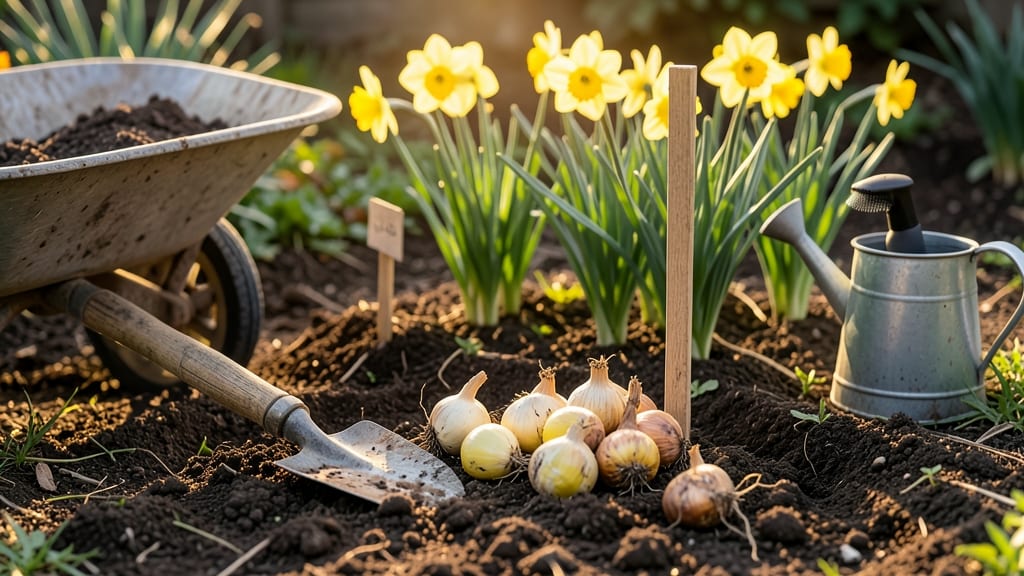
Planting daffodil bulbs 🌼 in Arkansas isn’t just about picking a month—it’s about matching them with the chill hours your zone needs for those showstopping spring blooms. Skip the guesswork, and you’ll end up with weak stems or no flowers at all.
The secret lies in timing them right before the ground freezes, giving those bulbs just the right cold snap to wake up strong in March.
Here’s the deal: Arkansas’s 7a-8a zones mean your daffodils need 4-6 weeks to root before winter sets in. That puts us squarely in October and November, but there’s more to it than just the calendar.
Humidity, soil type, and even last year’s frost dates play a role—so let’s break down exactly when to dig, how deep to plant, and why rushing (or waiting) can backfire.
I’ve seen gardeners in Little Rock and Fayetteville make the same mistakes: planting too early and watching bulbs rot, or waiting until December and missing the chill hours entirely. The good news?
With a few simple adjustments—like amending clay soil or shielding bulbs from soggy springs—you can guarantee those bright yellow trumpets will pop up reliably year after year.
Ready to stop gambling with your garden? I’ll walk you through the exact steps to time your planting, from soil prep to post-frost care, so your daffodils bloom like clockwork. Let’s get those bulbs in the ground the right way—once, and for good.
Arkansas chill-hour zones and ideal daffodil planting months
Arkansas gardeners must align their daffodil bulb planting with the state’s USDA zones 6-8 and chill-hour requirements. Most daffodils need 300-600 chill hours (temperatures below 40°F) to bloom reliably. In Arkansas, this typically translates to planting between mid-October and early November, but timing varies slightly by region.
Northern Arkansas (zones 6-7) often experiences earlier frosts, so aim for October 15-November 1. Southern Arkansas (zones 7-8) has milder winters, allowing a slightly later window—late October to mid-November. The key is planting 4-6 weeks before the ground freezes, ensuring bulbs establish roots before winter dormancy.
Missed the window? Don’t panic—you can plant as late as December in mild winters, but expect smaller blooms or delayed flowering. The worst mistake? Planting too early (August-September) when soil temps are still warm, risking rot and fungal diseases.
Use your local first frost date (typically November 15) as a guideline. For example, if your area’s frost date is November 20, plant by October 25. Pro tip: Check soil temps—60°F or below signals it’s safe to plant.
Arkansas’ humid climate can also affect timing. Wet springs delay planting, while dry falls may require extra watering post-planting. Always plant in well-draining soil to prevent bulb rot, especially in low-lying areas prone to winter sogginess.
For reliable blooms, choose daffodil varieties suited to Arkansas. Jonquil and Ice Follies thrive in zones 6-8, while Tête-à-Tête (dwarf) handles mild winters well. Check labels for chill-hour requirements—some varieties need fewer hours than others.
Don’t let Arkansas’ variable weather stress you out. Even if you miss the ideal window, bulbs can often be planted in early December as long as the ground isn’t frozen. Just expect smaller flowers or delayed blooming the following spring.
Mark your calendar now! The 4-6 week rule before frost is your best friend. For Northern Arkansas, that’s October 15; for Southern Arkansas, November 1. With this timing, you’ll enjoy vibrant daffodil blooms from March to April—just in time for Arkansas’ spring beauty.
Arkansas chill-hour zones and ideal daffodil planting months
Arkansas gardeners face a unique challenge with daffodils—the state’s USDA zones 6-8 and humid climate create a narrow window for planting. Unlike cooler regions, daffodils here need 300-600 chill hours (below 45°F) to bloom reliably.
Plant too early, and bulbs rot in warm, wet soil; too late, and they won’t get enough cold exposure.
Most of Arkansas falls into Zone 7a-8a, where the ideal planting window is mid-October to early November. This timing ensures bulbs establish roots before winter while still accumulating enough chill hours.
For northern Arkansas (Zone 6), you can plant slightly earlier—late September to October—while southern areas (Zone 8) may stretch planting until late November.
| Zone | Chill Hours Needed | Best Planting Window | Key Consideration |
|---|---|---|---|
| Zone 6 (North AR) | 500-600 | Late September–October | Soil cools faster; plant before first frost (Nov 15). |
| Zone 7 (Central AR) | 400-500 | Mid-October–November | Balanced window; avoid wet springs that delay blooming. |
| Zone 8 (South AR) | 300-400 | Late October–November | Warmer soil; plant deeper (8 inches) to protect bulbs. |
Check your local last frost date (typically March 15 in Arkansas) and plant 6-8 weeks before ground freezes. Use a soil thermometer—ideal temps for planting are 50-60°F. In humid Arkansas, prioritize well-draining soil to prevent bulb rot during the wetter fall months.
Pro tip: If you miss the fall window, you can plant in early winter (December), but expect fewer blooms. Arkansas’s mild winters often delay frost, so always monitor weekly weather forecasts for sudden cold snaps.
For container gardening, plant in October and move pots to a sheltered spot if frost threatens.
Daffodils thrive in Arkansas’s full sun (6+ hours), but they’ll tolerate partial shade in hotter southern zones. After planting, mulch with 2-3 inches of straw to insulate bulbs and retain moisture. This is especially critical in Zone 8, where soils stay warmer longer.
Remember: Chill hours > soil warmth. Even if your soil feels cool, daffodils need consistent cold to trigger blooming. Use this table as your guide, but always adjust for your microclimate—elevated areas freeze faster, while low spots stay warmer.