
Plants
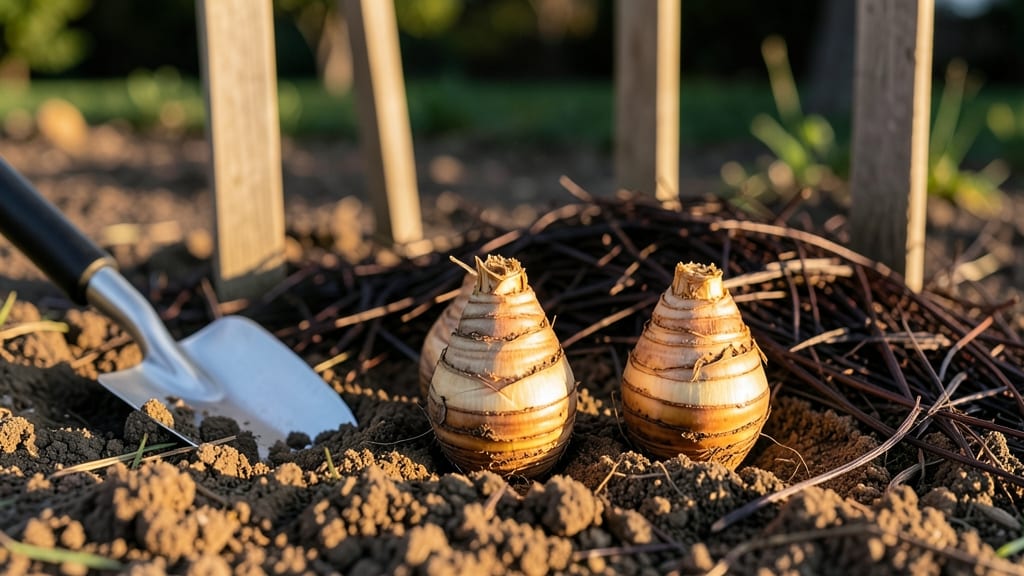
Planting your gladiolus bulbs 🌸 at the wrong time in California could mean the difference between a dazzling summer garden and a sad, wilted disappointment.
The key to those bold, show-stopping blooms lies in understanding your microclimate—whether you're in foggy coastal Zone 10 or the hotter inland valleys of Zone 9.
I’ve learned the hard way that timing isn’t one-size-fits-all here. Coastal gardeners can start as early as February, while inland growers should wait until March or April to avoid frost damage. The right window ensures your bulbs get the perfect balance of warmth and moisture to thrive.
What you’ll discover here are the exact months to plant based on your region, plus pro tips like pre-sprouting for cooler areas and how to extend your blooms through California’s diverse seasons. Let’s turn your garden into a parade of color—starting with the right planting schedule.
From soil prep to post-planting care, I’ll walk you through every step to guarantee vibrant, long-lasting gladiolus blooms that steal the show. Ready to get started?
California’s best planting months for gladiolus bulbs by region
Gladiolus bulbs thrive in California’s warm climate, but the best planting months depend entirely on your local microclimate. Coastal areas like San Francisco (USDA Zone 10) have milder winters, while inland valleys like Sacramento (Zone 9) face hotter summers.
Desert regions like Palm Springs (Zone 8-9) demand even earlier planting to beat the heat. Let’s break down the ideal planting windows for each zone to ensure your gladiolus blooms on schedule.
For coastal California (Zones 9b-10), the perfect planting window is February through early April. This timing avoids late-winter frosts while giving bulbs time to establish roots before summer heat peaks.
Inland areas like the Central Valley (Zone 9) should plant March through mid-May to prevent bulb rot from summer’s intense heat. Meanwhile, Southern California deserts (Zones 8-9) can start as early as January to take advantage of cooler winter soils.
Soil temperature is your secret weapon for success. Gladiolus corms need soil temps of at least 60°F (15°C) to sprout consistently. Use a soil thermometer to check depth—if it’s cooler than this, wait another week.
Coastal areas often hit this mark by mid-February, while inland valleys may need to wait until late March. Desert regions can plant earlier, but avoid planting when daytime temps exceed 85°F (29°C)—this stresses young shoots.
If you’re in a transition zone (like the Bay Area’s East Bay), err on the side of planting slightly later (mid-March) to avoid unexpected frost pockets. Always check your local frost dates—the USDA Plant Hardiness Zone Map is a great resource.
For example, Sacramento’s last frost typically occurs around January 15, while San Diego’s is rarely after December 15. Planting too early in frost-prone areas can kill emerging shoots before they bloom.
For container gardening in urban areas, you can extend your planting window by 2-3 weeks. Containers warm up faster in spring, so start potting up gladiolus corms in late January (coastal) or February (inland).
Use a heat mat if your balcony stays chilly—this mimics the soil warmth gladiolus craves. Just ensure your containers have drainage holes to prevent rot, especially in humid coastal climates like Santa Cruz.
Pro tip: Pre-sprout your corms indoors if you’re in a short-season area (like the Sierra foothills). Place corms in a paper towel-lined tray, keep them in a warm (70°F/21°C) spot, and mist lightly every few days.
Once sprouts reach 1-2 inches, transplant them outside—this gives you a 2-week head start on the season. Just avoid letting them get too leggy before planting!
Remember, bloom time varies by variety. Early bloomers like ‘Green Star’ may flower in 90 days, while late varieties like ‘Black Pearl’ take 120+ days. Plan your planting window to align with your desired bloom season.
For example, planting in February (coastal) ensures summer blooms, while May planting (inland) may push flowers into early fall—perfect for Thanksgiving bouquets.
Finally, mulch after planting to regulate soil temps. Use straw or wood chips (2-3 inches thick) to keep roots cool in summer and warm in winter. This simple step can extend your blooming season by 2-3 weeks by reducing temperature swings.
Just avoid organic mulches like grass clippings, which can mat and suffocate corms.
With these region-specific tips, your gladiolus will burst into color right on schedule—whether you’re in
How to adjust planting timing for early or late blooms in California
Want your gladiolus blooms to appear earlier or stretch later into fall? Adjusting planting times is the secret—especially in California’s varied climate. I’ve used these tricks to force blooms in coastal gardens as early as May or extend them through October in inland areas.
The key lies in understanding how temperature and light affect your bulbs’ dormancy cycle.
For earlier blooms, start by chilling your bulbs for 8-12 weeks before planting. Place them in a cool, dark location (like a refrigerator’s crisper drawer) to mimic winter conditions.
This jumpstarts growth, letting you plant 4-6 weeks earlier than your region’s typical window. Coastal gardeners can even try January plantings with this method!
🌱
To extend blooms into fall, focus on soil insulation and water management. Inland gardeners should plant late varieties in May and use drip irrigation to keep soil consistently moist without overwatering. Coastal growers can push plantings to June by using black plastic mulch to warm the soil faster.
Pro tip: In Southern California’s Zone 10, I’ve had gladiolus bloom year-round by planting in containers*. Move them to shaded patios during summer’s peak heat (90°F+) to prevent bud drop.
The trade-off? You’ll need to replace bulbs every 1-2 years due to heat stress, but the continuous color is worth it!
🌿