
When to Plant Grapes in Indiana: USDA Zone 5-6 Timing for Strong Root Growth

Plants

When to Plant Grapes in Indiana: USDA Zone 5-6 Timing for Strong Root Growth

Planting grapes in Indiana might seem tricky with its 5b-6b climate swings, but timing it right is the secret to thriving 🍇 vines that reward you with sweet harvests.

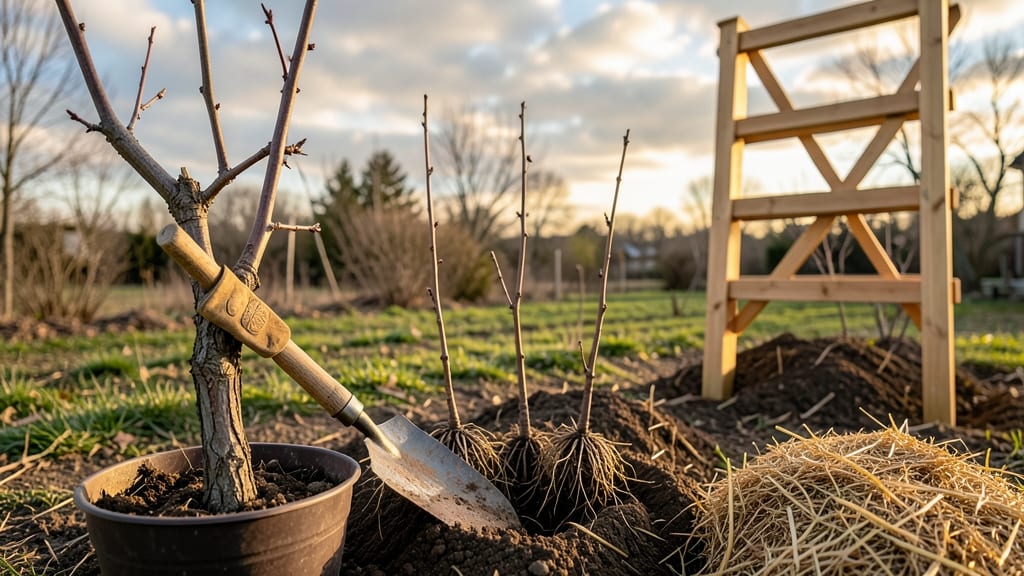
The best window for planting—whether you're working with bare-root or container-grown grapes—opens in April or early May, when soil warms but frost still lingers as a distant threat.

Why does this matter? Because Indiana’s unpredictable springs mean the difference between a grapevine that takes root and one that struggles. Plant too early, and cold snaps can stunt growth; too late, and your vines won’t establish strong roots before summer heat sets in.

The key is balancing soil temperature, frost dates, and your local microclimate to give those young roots the best shot at survival.

I’ve seen firsthand how proper timing can turn a risky gamble into a reliable harvest.

Whether you’re a first-time gardener or a seasoned grower, this guide will walk you through the exact steps to prepare your soil, choose the right varieties, and avoid common pitfalls that trip up even experienced gardeners in cold climates.

Ready to set your grapes up for success? Let’s dive into the ideal planting windows, soil prep secrets, and variety picks that thrive in Indiana’s challenging—but not impossible—growing conditions.

🍇 When to Plant Grapes
Jan ❄️
Feb ❄️
Mar 🌱
Apr 🍇
May 🍇
Jun 🌱
Jul ☀️
Aug ☀️
Sep 🍂
Oct 🍂
Nov 🍂
Dec ❄️
Ideal Time
Also Good

Best planting windows for grapes in Indiana’s USDA Zones 5-6

Indiana’s USDA Zones 5-6 demand precise timing for grape planting—too early and frost will kill tender roots, too late and vines won’t establish before winter. The ideal window is mid-April to early May for bare-root grapes, when soil warms to 50°F (10°C) and frost risk drops below 10%.

Container-grown grapes can go in slightly later, up to late May, since their roots are already established.

Fall planting is not recommended in Indiana due to harsh winters and late frosts. Unlike warmer climates, grapevines need time to harden off before cold sets in.

If you miss spring, your best bet is to start grapes indoors in early spring and transplant after last frost (April 15 average).

Zone 5b growers (northern Indiana) should aim for late April to early May, while Zone 6b gardeners (southern Indiana) have a slightly wider window—mid-April to mid-May. Check your local frost-free date (use Almanac.com) to adjust timing by 2-3 weeks if your area runs late.

Soil temperature is critical. Use a soil thermometer to confirm 50°F (10°C) at 4-inch depth before planting. Cold soil slows root growth, leaving vines vulnerable to winter dieback. If soil is too cold, wait 1-2 weeks or use black plastic mulch to warm it faster.

Pro tip: Plant bare-root grapes on a cloudy day or in the late afternoon to reduce transplant shock. Soak roots in water mixed with rooting hormone for 1-2 hours before planting to jumpstart growth.

For container-grown grapes, timing is slightly more flexible—plant after May 1 if you’re in Zone 6b, but still before June 1 to allow 6-8 weeks of root establishment before winter. Containers warm up faster, so monitor for overheating in summer.

🍇

Factor Zone 5b (Northern IN) Zone 6b (Southern IN) Pro Tip
Ideal Planting Window Late April - Early May Mid-April - Mid-May Plant when soil hits 50°F (10°C)
Last Frost Date April 20 April 10 Wait 2 weeks after last frost
Soil Temp for Planting 50°F (10°C) 50°F (10°C) Use soil thermometer to confirm
Bare-Root Planting April 25 - May 5 April 15 - May 10 Soak roots 1-2 hours before planting
Container-Grown May 1 - May 15 April 30 - May 20 Monitor for overheating in pots
First Winter Survival Low (needs mulch) Moderate (better microclimate

How to prepare Indiana soil and site for grape planting success

Indiana’s clay-heavy soils and variable frost dates demand extra prep work before planting grapes. Start by testing your soil’s pH (6.0–6.5 ideal) and amending it with organic matter like compost or well-rotted manure.

Grapes hate soggy roots, so ensure your site has well-draining soil—consider raised beds if your yard holds water.

Choose a sun-drenched location with at least 6–8 hours of sunlight daily. South-facing slopes or fences work well in Indiana’s USDA Zones 5-6, as they trap warmth. Avoid low spots where frost lingers or cold air pools.

Before planting, loosen the soil to a depth of 18–24 inches to encourage deep root growth. Mix in 2–3 inches of compost and a balanced fertilizer (10-10-10) to kickstart nutrient uptake. For extra insulation against winter cold, add a 3-inch layer of mulch around the planting area.

🌱 Step-by-Step Site Prep Checklist

  • 📊 Test soil pH – Aim for 6.0–6.5 (use a DIY kit or lab test).
  • 🌿 Amend with compost – Mix in 2–3 inches of organic matter.
  • ☀️ Select a sunny spot – Minimum 6 hours of direct sunlight daily.
  • 🪴 Loosen soil deeply – Break up clay to 24 inches for root penetration.
  • 💧 Install drip irrigation – Grapes need consistent moisture at the roots.
  • 🍇 Choose cold-hardy varieties – Try Concord, Niagara, or Marquette for Indiana.

For container-grown grapes, select pots at least 15–20 gallons with drainage holes. Use a well-draining potting mix blended with perlite or sand. Place containers in wheelbarrows or elevated stands to prevent waterlogging during Indiana’s heavy rains.

Pro tip: Plant grapes near a trellis or sturdy fence to support their rapid growth. Indiana’s winds can stress young vines, so secure the structure early. If your yard has microclimate variations (e.g., a sunny wall or rocky outcrop), prioritize those spots for warmer soil temperatures.

Finally, avoid planting near trees or shrubs that compete for water and nutrients. Grapes need dedicated space to thrive, so give them at least 8–10 feet of clearance from other plants.

With the right prep, your Indiana grapevines will establish strong roots and reward you with abundant harvests for years to come! 🍇

★★★★★4.8(15 reviews)
Categories Plants