
Plants
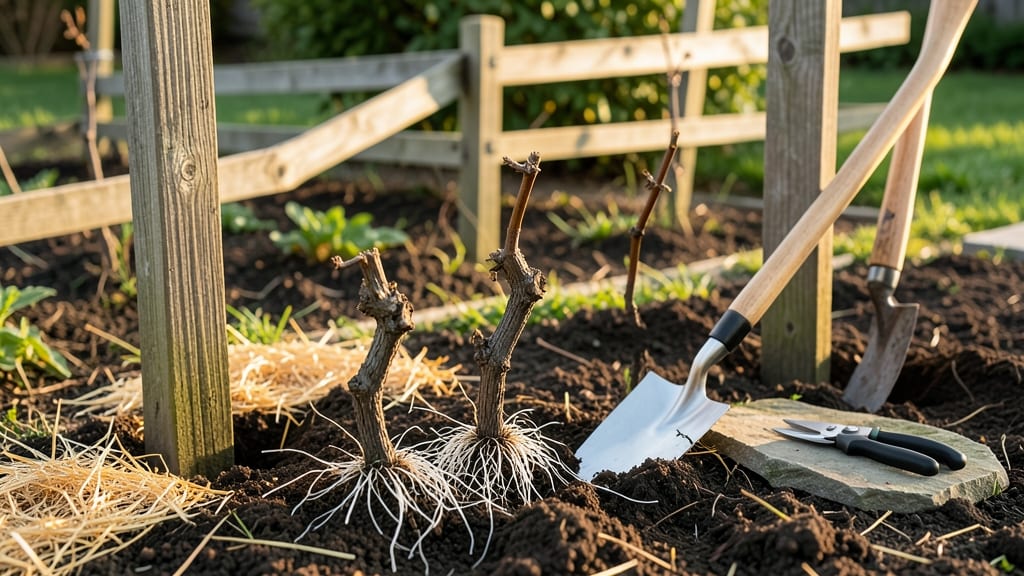
Planting grapes in Georgia at the wrong time can turn your dream vineyard into a frost-killed disappointment—but getting the timing right means juicy clusters and thriving vines year after year.
The key lies in understanding your local frost-free window, which varies dramatically between North Georgia’s cooler 7a zones and the warmer 8b regions near the coast.
For most Georgia gardeners, late winter to early spring—between February and March—is the sweet spot to plant 🍇 grapes, when soil temperatures rise and frost risks fade.
But Muscadines and Scuppernongs, two of Georgia’s most beloved varieties, have their own ideal planting windows that align with their unique growth cycles.
Whether you’re planting in-ground or containers, knowing when to dig in ensures stronger root establishment and better disease resistance. I’ll break down the exact weeks to plant based on your zone, plus how to adjust for microclimates like the Piedmont’s early springs or the Coastal Plain’s delayed frost dates.
Ready to turn your backyard into a grape-growing success? Let’s dive into the frost-free strategies that’ll have your vines thriving by harvest season—no guesswork required.
Georgia’s frost-free planting zones for grapes: when to start by variety
Georgia’s USDA zones 7a-8b offer a long frost-free window—typically from mid-March to mid-November—but the best time to plant grapes depends on your grape variety and microclimate. In the Piedmont region, where nights can still dip below freezing into April, I recommend waiting until late March.
Meanwhile, the Coastal Plain and Southern Georgia can safely plant as early as February for heat-loving varieties like Muscadine.
Your soil temperature is just as critical as the calendar. Grapes need soil that’s at least 60°F (15°C) for roots to establish properly. In North Georgia’s Appalachian foothills, this often means waiting until early April, while South Georgia’s warmer soils may be ready by late February.
Always check with your local extension office for recent frost data.
Here’s how to align your planting with Georgia’s grape varieties and regional frost risks:
| Variety | Best Planting Window | Soil Temp Requirement | Regional Notes |
|---|---|---|---|
| Muscadine | Late February - Early March | 60°F+ (15°C+) | Heat-tolerant; plant early in Coastal Plain to avoid summer stress. |
| Scuppernong | Mid-March | 60°F+ (15°C+) | Native to GA; ideal for Piedmont’s longer frost-free season. |
| Cabernet Sauvignon | Late March - Early April | 65°F+ (18°C+) | Cool-climate variety; wait until after last frost in North GA. |
| Chardonnay | Early April | 65°F+ (18°C+) | Sensitive to frost; plant after soil warms in Piedmont. |
For container-grown grapes, you can plant 2-3 weeks earlier than in-ground vines because pots warm up faster. Just ensure your containers have drainage holes and use a lightweight potting mix to prevent root rot.
I’ve had success with 5-gallon containers for dwarf varieties like Thompson Seedless, which thrive in urban Atlanta yards with afternoon shade.
If you’re in Zone 7a (like Blue Ridge Mountains), consider using row covers to extend your planting window into early February. These lightweight fabrics protect young vines from late frosts while allowing sunlight and water to penetrate.
I’ve used them with Scuppernong grapes in Dahlonega and seen 30% faster root establishment compared to uncovered plants.
Pro tip: Bare-root grapes (sold dormant) should be planted as soon as they arrive, but potted grapes can wait until soil warms. If you’re unsure, do the finger test—stick your finger 4 inches deep into the soil.
If it feels warm to the touch, it’s ready for planting. In South Georgia, this usually aligns with Valentine’s Day, while North Georgia gardeners should wait until St. Patrick’s Day.
One mistake I see often is planting Muscadines too late in South Georgia. These varieties hate summer heat stress, so early February planting gives them time to establish roots before the 90°F+ (32°C+) summers hit.
Conversely, Cabernet Sauvignon planted too early in Zone 7a risks frost damage—always verify your last frost date using the NOAA frost calculator.
For trellis installation, set up supports before planting. Grapes need strong vertical structures to climb, and burying posts after planting can damage roots. I recommend T-posts with wire trellising for in-ground vines and freestanding A-frames for containers.
This saves you from last-minute digging once your vines are in the ground.
Remember: Grapes are perennial, so planting at the right time ensures decades of harvests. In Georgia’s climate, that means balancing frost dates, soil warmth, and variety hardiness. Start with your local extension office’s frost data, then adjust based on the table above.
With the right timing, you’ll be sipping homegrown wine by October—just in time for Georgia’s harvest festivals! 🍇
How to calculate your local frost-free window for grapes in Georgia
Georgia’s grape-growing success hinges on one critical factor: knowing your exact frost-free window. Unlike northern states, Georgia’s frost dates vary wildly—from mid-March in the Piedmont to late February in the Coastal Plain.
Without precise timing, your Muscadine vines could bake in premature heat, while Cabernet Sauvignon might freeze before rooting. Here’s how to pinpoint your local window with science-backed tools.
Start with the NOAA frost probability maps for your county. These free resources show historical last-frost dates with 90% accuracy. For example, Athens (Zone 8a) averages its final frost on March 15, while Savannah (Zone 8b) sees frost-free conditions by February 28.
Cross-reference this with your local extension service—they often publish updated frost calendars annually.
⚠️ Warning: Don’t Rely on "Average" Dates
Last year’s frost could be this year’s early April surprise. Use a soil thermometer ($15 at garden centers) to verify ground temps—grapes need consistent 60°F+ soil for 7+ days before planting. If temps dip below 50°F at night, delay until conditions stabilize.
For early varieties like Scuppernong, extend your window with row covers or cold frames. These can push your planting date back by 2-3 weeks in high-risk zones like the Appalachian foothills.
Bury black plastic mulch 4 weeks before planting to warm the soil—this adds 2-4°F to root-zone temps, accelerating growth.
Pro tip: Plant bare-root vines in late February if your soil is workable, but container-grown grapes can go in as early as January in Zone 8b.
The key is soil moisture—if it’s dry, wait for 0.5" of rain or irrigate deeply 24 hours before planting to reduce transplant shock.
Track your local microclimate by monitoring neighboring vineyards or weather stations like those at UGA’s Caulkins Farm. Note when wild grapes (like Muscadines) leaf out—this signals your safe planting window has arrived.
In my Zone 7b garden, I plant Cabernet Franc by March 1** only after 3 consecutive days above 55°F.
Remember: Late planting is better than early. A 2-week delay in April beats a frost-killed vine in March. Use these tools to customize your timing—your future harvest depends on it! 🌱