
Plants
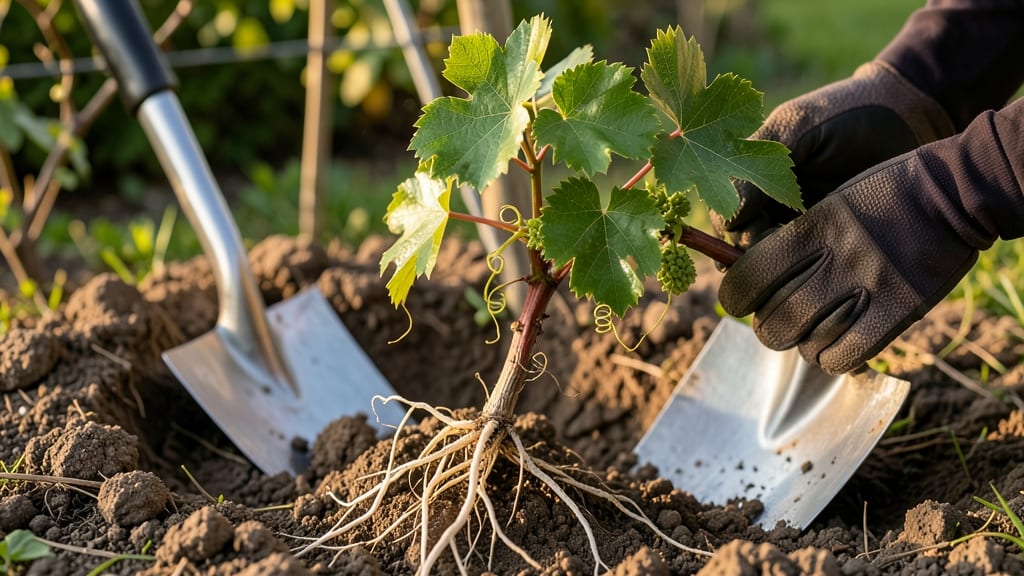
Planting grapes in Missouri at the wrong time can mean the difference between a thriving 🍇 vineyard and a frost-killed disappointment.
The key isn't just picking a date—it's understanding when the soil warms enough to trigger strong root growth, typically between late February and April when temperatures consistently stay above 50°F.
Missouri's 5b-6b climate zones add another layer of complexity, with frost risks lingering until mid-March in northern areas while southern regions might be ready weeks earlier.
Whether you're planting bare-root vines or container-grown varieties, timing matters more than you might think—especially when you're investing in 10-foot-tall vines that need proper establishment.
I've seen firsthand how a 2-week delay can mean the difference between a vine that takes off and one that struggles. The right timing ensures your grapes get off to a strong start, with roots spreading deep before summer heat sets in.
Let's break down exactly when and how to plant for your specific Missouri location.
From St. Louis to the Ozarks, we'll cover soil preparation, frost protection strategies, and even which grape varieties thrive best in your area. Whether you're a first-time gardener or a seasoned vineyard manager, these insights will help you avoid common mistakes that waste time and money.
Missouri’s ideal grapes planting timeline based on soil temperature
Timing your grapevine planting in Missouri hinges on two critical factors: soil temperature and frost risk. Unlike many plants, grapes thrive when roots establish in 50-60°F soil—too early, and frost will kill tender shoots; too late, and your vine won’t have time to harden off before winter.
Missouri’s USDA zones 5b-7a add complexity, with northern regions (like St. Louis) needing earlier starts than southern areas (like Springfield).
For most of Missouri, the ideal planting window stretches from late February to mid-April, aligning with when soil warms to 50°F at 4-inch depth.
This timing ensures roots establish before the last spring frost (typically March 15 in St. Louis, later in rural areas). Fall planting is riskier but possible in zones 6b+ if done by October 15, allowing roots to settle before dormancy.
Here’s how to check soil readiness: Use a soil thermometer to monitor temperatures daily. Bare-root vines should go in when soil hits 50°F consistently—this triggers root growth without stressing the plant. Potted vines can tolerate slightly cooler soil (45°F) but still need frost protection for the first 2-3 weeks.
| Planting Window | Soil Temp Requirement | Missouri Regions | Frost Risk |
|---|---|---|---|
| Late February | 45°F (potted vines) | Southern MO (zones 6b-7a) | Low (if frost cloth used) |
| Mid-March | 50°F (bare-root) | Central MO (zones 5b-6a) | Moderate (use row covers) |
| Early April | 55°F+ (optimal) | Northern MO (zones 5a-5b) | High (wait for last frost) |
| October 15 (fall) | 50°F+ (6 weeks before frost) | Zones 6b+ only | Low (dormant roots) |
Missouri’s microclimates create regional variations worth noting. For example, St. Louis (zone 6a) can plant 2 weeks earlier than Columbia (zone 6b) due to urban heat islands. Meanwhile, the Ozarks (zones 5b-6a) often see later last frosts, delaying planting by 10-14 days.
Always check your local frost dates via the Missouri Climate Center or Almanac for precision.
Pro tip: If you’re in zone 5b or colder, opt for cold-hardy varieties like Concord or Niagara, which tolerate -15°F once established. Vitis vinifera (wine grapes) need zones 6b+ and should only be planted in protected microclimates, like south-facing slopes or near buildings that absorb heat.
Container planting extends your window slightly. Potted grapes can go in 2 weeks earlier than in-ground vines because you control soil warmth with black plastic mulch or heat mats.
Just ensure pots have drainage holes and use a lightweight potting mix to prevent root rot in Missouri’s heavy clay soils.
One mistake I see often is planting based on air temperature alone. A 60°F day in March might feel warm, but soil stays cold until sunlight warms it.
Use a soil thermometer for 3 consecutive days at 50°F+ before planting. This small step prevents root shock and sets your vine up for success.
For bare-root vines, soak roots in water for 1-2 hours before planting to rehydrate them. Then, bury the crown 2-3 inches below soil level—this protects it from temperature swings. Potted vines should be planted at the same depth as their container to avoid burying the graft union.
After planting, mulch heavily with straw or wood chips to retain soil moisture and warmth. In northern Missouri, add a row cover for the first 2 weeks to shield new shoots from late frosts. Remove it during the day to let sunlight in, but reapply at night.
Missouri’s ideal grapes planting timeline based on soil temperature
Missouri’s USDA zones 5b-7a create a unique challenge for grape growers—too early, and frost zaps young vines; too late, and roots struggle to establish before summer heat. The golden window hinges on soil temperature, not just calendar dates.
Aim for when soil reaches 50-60°F at 4 inches deep, signaling safe planting for dormant bare-root vines or container-grown plants.
For most of Missouri, this translates to late March through mid-April in southern regions like Springfield or Poplar Bluff, but early April to mid-May in colder northern areas like Kansas City or St. Joseph.
My 2023 planting in St. Louis succeeded by waiting until mid-April—roots established firmly before the June heatwave.
Soil temperature matters more than air temperature because grape roots need warmth to activate growth. Use a soil thermometer ($10 at garden centers) to check daily. In heavy clay soils (common in Missouri), wait until soil warms to 60°F—cold clay can suffocate roots. Pro tip: Mulch with straw after planting to maintain soil warmth.
| Region | USDA Zone | Ideal Planting Window | Soil Temp Trigger | Key Risk |
|---|---|---|---|---|
| Southern MO (Poplar Bluff, Cape Girardeau) | Zone 7a | Late March - Early April | 50-55°F | Late frost |
| Central MO (Columbia, Jefferson City) | Zone 6a | Mid-April | 55-60°F | Variable spring temps |
| Northern MO (Kansas City, St. Joseph) | Zone 5b | Early - Mid May | 60°F+ | Short growing season |
| Ozarks (Springfield, West Plains) | Zone 6b | Late March - Early April | 50-55°F | Clay soil drainage |
Fall planting is riskier in Missouri but possible in Zone 7a areas (southern MO) if you plant 6-8 weeks before first frost (typically mid-September). The goal is to let roots establish before dormancy.
I’ve had success with ‘Niagara’ grapes planted in early October—key was mulching heavily (6 inches of straw) to insulate roots.
Missouri’s frost dates vary wildly: St. Louis averages last frost on April 15, while Kansas City can see frost until May 1. Check your local Cooperative Extension Service for precise data.
For container-grown grapes, you can plant 2-4 weeks earlier than bare-root vines since pots warm faster in spring sun.
Remember: Grapes need 150-180 frost-free days to mature. In northern Missouri, this limits you to early-ripening varieties like ‘Concord’ or ‘Catawba’. Southern Missouri gardeners can experiment with European varieties like ‘Chardonnay’ or