
Plants
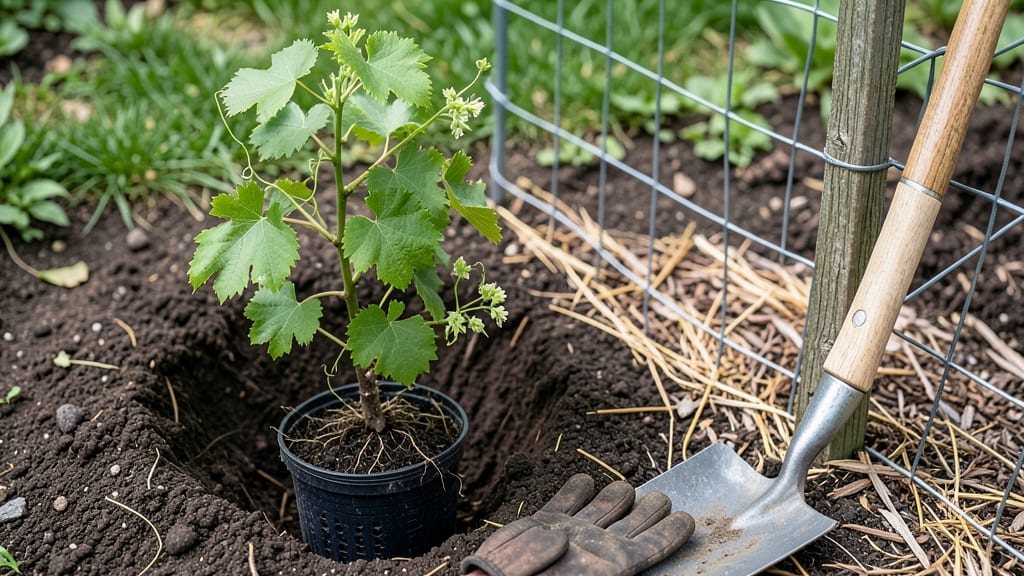
Planting your grape vine 🍇 at the wrong time in Illinois could mean the difference between a lush, fruit-bearing vineyard and a sad, frost-bitten failure—especially when those first freezes sneak up faster than you think.
I’ve seen it happen too many times: gardeners rush to get their grape vines in the ground, only to watch them struggle through the first winter. The truth? Timing is everything, and Illinois’ USDA Zones 5-6 demand precision.
Whether you’re planting bare-root vines in early spring or container-grown ones after the last frost, knowing the exact windows—plus how to prep your soil—is the key to strong roots before winter sets in.
This isn’t just about throwing a vine into the dirt and hoping for the best. You’ll learn the best planting windows for your specific grape variety, how to adjust for early or late frosts, and pro tips to give your vines the fighting chance they need.
Let’s get those roots established the right way.
Skip the guesswork and plant with confidence—your future harvest depends on it. Ready to dive into the details?
Illinois grape vine planting deadlines by hardiness Zone (5 & 6)
Illinois spans USDA Zones 5 and 6, where timing is everything for grape vine success. In Zone 5 (northern IL), average last frost dates hover around May 15, while Zone 6 (southern IL) can push planting to June 1.
Fall planting is also viable but requires careful scheduling—roots need 6–8 weeks to establish before winter dormancy. Miss these windows, and your vines face frost damage or poor root growth.
Spring planting is ideal for bare-root vines, which should go into the ground before buds swell (typically late March to April). Container-grown vines, however, wait until after the last frost when soil temps hit 60°F.
Fall planting (late summer to early fall) works for dormant bare-root vines but must finish 6 weeks before frost—usually by September 15 in Zone 5 and October 1 in Zone 6.
| Zone | Spring Planting Window | Fall Planting Window | Last Safe Date Before Frost | Ideal Soil Temp |
|---|---|---|---|---|
| Zone 5 (Northern IL) | Late March–April 15 | Late August–September 1 | May 15 (spring) / Sept 15 (fall) | 50–60°F |
| Zone 6 (Southern IL) | April 1–May 1 | Late August–October 1 | May 1 (spring) / Oct 1 (fall) | 55–65°F |
📅 Pro Tip: Check your local last frost date (use Almanac.com) and count 6 weeks back for fall planting.
For Chicago and northern Illinois (Zone 5), aim to plant bare-root vines by April 15 or container-grown vines after May 15. Southern Illinois gardeners in Zone 6 have more flexibility, with June 1 as a safe cutoff for spring planting.
Fall planting in Zone 6 can extend to October 1, but avoid planting after September 15 in Zone 5—roots won’t harden before winter.
Soil temperature is critical: Grape roots thrive at 60–65°F. Use a soil thermometer to confirm—cold soil delays root growth. In Zone 5, wait until soil warms to 50°F for spring planting.
In Zone 6, 55°F is ideal. If soil is too cold, roots may rot or fail to establish before frost.
Regional examples matter. In Dekalb (Zone 5), plant Concord grapes by April 10 for best results. In Springfield (Zone 6), Niagara grapes can handle a June 15 planting.
Always adjust for microclimates—south-facing slopes warm faster, while low areas frost later. Use black plastic mulch in early spring to warm soil 2–3 weeks faster.
Fall planting offers advantages: Cooler temps reduce stress, and vines establish roots before summer heat. However, Zone 5 gardeners must finish by September 1—any later, and roots won’t harden before October’s first frost.
Use mulch (4–6 inches) to insulate roots and protect against winter temperature swings. In Zone 6, extend fall planting to October 1 but avoid planting after September 20.
Missed the window? Don’t panic. Container-grown vines can be planted throughout the growing season (even summer), but bare-root vines must be dormant. For late plantings, prioritize watering and shading to reduce transplant shock. Use shade cloth (30–50%) for the first 2–3 weeks to help vines acclimate.
Remember: Root establishment is non-negotiable. Vines planted too late may struggle to harden off before winter, leading to dieback or poor yields. Plan ahead, check your last frost date, and adjust for soil temperature—your grape vines will thank you with stronger growth and bigger harvests.
How to choose the best planting time for your grape variety
Not all grape vines thrive on the same schedule in Illinois. Wine grapes like Chardonnay or Cabernet Franc need earlier planting to establish roots before summer heat, while cold-hardy hybrids like Concord or Niagara can handle later windows.
The key is matching your grape’s dormancy cycle with Illinois’ frost-free period—typically April 15 to October 15 in most zones.
For example, Vitis vinifera varieties (wine grapes) should go in the ground by May 1 to avoid heat stress, while Vitis labrusca (native grapes) can wait until late May.
Your grapevine’s root system also dictates timing. Bare-root vines (sold dormant) must be planted in early spring (March–April) before buds swell, or in fall (October)—but only if you’re in Zone 6 with mild winters. Container-grown vines, however, are more flexible: Plant them anytime the soil is workable (50°F+), usually after your last frost date.
Pro tip: Check the soil temperature with a soil thermometer—ideal planting temps range from 50°F to 70°F.
Variety Maturity
Early-ripening grapes (e.g., Thompson Seedless) need earlier planting (April) to mature before frost. Late varieties (e.g., Cabernet Sauvignon) can plant until May 15 but risk smaller yields if stressed.
Root Establishment
Bare-root vines need 6–8 weeks to establish roots. Plant in fall (Zone 6) or early spring (Zone 5). Potted vines adapt faster—plant after last frost for immediate growth.
Climate Adaptations
Southern IL (Zone 6) can plant muscadines or Scuppernong grapes later (June). Northern IL (Zone 5) should stick to cold-hardy hybrids like Marquette or Frontenac planted by May 1.
If you’re growing wine grapes, prioritize early spring planting (April) to maximize the growing season. These vines need 120–180 days to ripen, and planting late can leave them vulnerable to fall frosts or bird damage.
For table grapes, like Crimson Seedless, you’ve got a bit more flexibility—plant by May 15 in Zone 5 or June 1 in Zone 6. Just remember: The earlier you plant, the stronger your vine’s root system will be before winter.
One mistake I see often? Planting potted vines too early in Zone 5. If you plant in March, the roots may overheat in 60°F+ soil before buds break. Wait until soil temps stabilize at 50°F+—usually mid-April in northern Illinois.
For bare-root vines, the opposite is true: Plant them as soon as the ground thaws (even if it’s 35°F) to avoid desiccation.
For fall planting (only viable in Zone 6), aim for 6–8 weeks before your first frost. In southern Illinois, that’s usually early to mid-October. Fall-planted vines focus on root growth instead of foliage, giving them a head start next spring.
Just avoid planting if frost is forecast within 2 weeks—young roots won’t survive.
Pro tip: Check your grapevine’s cold hardiness rating before planting. Vitis vinifera varieties (e.g., Pinot Noir) top out at -10°F, while hybrids like Frontenac handle -25°F. If you’re in Zone 5, stick to cold-hardy hybrids—they’ll thank you with survival and better yields.