
Plants
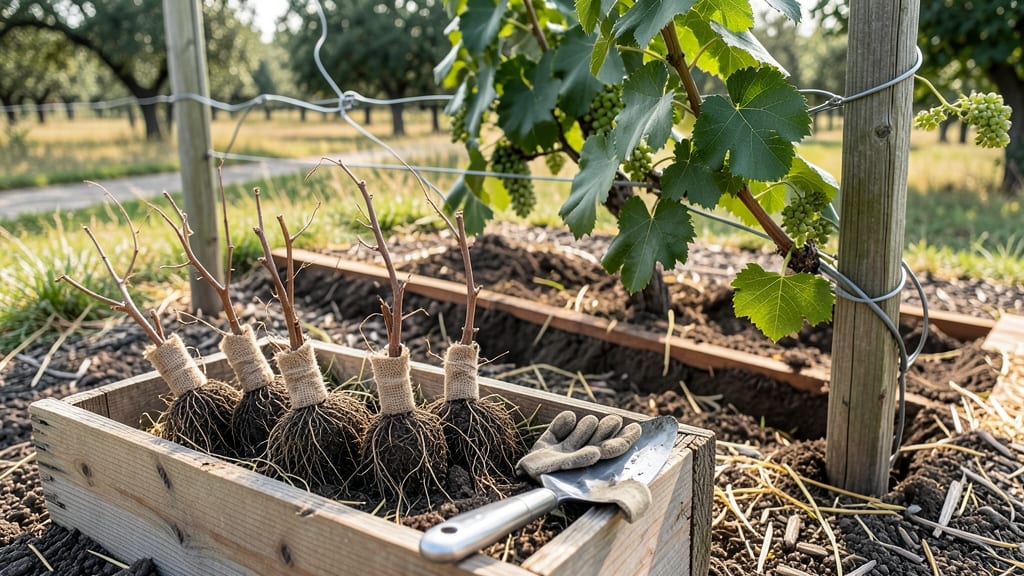
Planting grapes in California at the wrong time can turn your dream vineyard into a costly mistake—and the best window isn’t just about months, but soil temperatures and regional microclimates.
Whether you're growing 🍇 table grapes for fresh eating or wine grapes for fermentation, timing is everything to avoid frost damage or stunted growth.
Most California gardeners know spring is the prime season, but the exact deadline depends on where you live. Coastal areas like San Diego can plant year-round thanks to mild winters, while inland valleys like the Central Valley need to wait until soil warms to 50°F-60°F—usually between February and March.
Getting this right means healthier vines and a better harvest.
In this guide, I’ll break down the exact planting calendar for your region, including variety-specific deadlines for popular grapes like Cabernet Sauvignon and Zinfandel. You’ll also learn how to prepare your soil, avoid common mistakes, and even whether container growing works for California’s climate.
Ready to turn your grape-growing dreams into reality? Let’s get started with the critical timing you need to succeed.
California grape planting calendar by soil temperature zones
California’s diverse climate means grapes thrive year-round in some regions but require precise timing in others. The key factor? Soil temperature—grapes need 50°F-60°F soil for optimal root establishment. Inland valleys like the Central Valley have cooler winters with frost risks, while coastal areas like San Diego stay frost-free year-round.
Let’s break down the best planting windows by region.
Northern California (USDA Zones 7-9) experiences cooler winters and later last frosts, typically around March 15. This means your planting window starts earlier—late January to early March—to avoid spring frosts.
Southern California (Zones 9-10) has warmer soils year-round, allowing year-round planting with peak seasons in February-March and October-November.
Central California (Zones 8-9) is the most critical—frost risk lingers until March 1 in the Sacramento Valley. Here, bare-root vines must go in the ground by February 15 to establish roots before buds break.
Coastal regions like Santa Barbara? Plant anytime, but spring (March-April) is ideal for consistent growth.
🌱
| Region | USDA Zone | Last Frost | Best Planting Window | Soil Temp Goal |
|---|---|---|---|---|
| Northern CA (Sacramento, Napa) | 7-9 | March 15 | Late Jan - Early Mar | 50°F-60°F |
| Central CA (Central Valley) | 8-9 | March 1 | Feb 15 - Mar 15 | 50°F-60°F |
| Southern CA (LA, San Diego) | 9-10 | None (frost-free) | Feb-Mar or Oct-Nov | 55°F-65°F |
| Coastal CA (Santa Barbara) | 9-10 | None | Year-round (peak: Mar-Apr) | 55°F-65°F |
🌡️ Pro Tip: Use a soil thermometer to confirm temps before planting!
For dormant planting (most common), aim for February-March in frost-prone areas. Bare-root vines need 6-8 weeks to establish roots before buds swell. In warmer zones, you can plant year-round, but spring (March-April) is still best for vigorous growth.
Ever wondered why some vines struggle in low-lying areas? It’s often late frost damage. Plant on slopes or raised beds to improve drainage and reduce frost pockets. In desert regions, like the Coachella Valley, fall planting (October-November) works best to avoid summer heat stress.
If you’re growing container grapes, timing matters less—but still plant when soil temps hit 55°F+. Containers warm up faster, so March-April is ideal even in cooler zones. Just ensure pots have drainage holes to prevent root rot in California’s dry summers.
💧
One critical mistake? Planting too early in cooler zones. If you miss the February deadline, wait until fall (October-November) for a second chance. The key is soil temperature, not air temperature—always check with a soil thermometer before digging.
For wine grapes like Cabernet Sauvignon, earlier planting (January-February) gives vines time to harden off before summer. Table grapes, like Thompson Seedless, can handle later planting (March-April) since they’re less frost-sensitive. Always match your variety to your microclimate for best results.
🌿
Ready to plant? Start by testing your soil temperature at 6-inch depth. If it’s below 50°F, wait a week or two—patience is key! Once planted, mulch heavily to retain moisture and regulate soil temps. With the right timing, your California grapevine will reward you
Best grape varieties for California planting (and their exact deadlines)
California’s diverse climate supports a wide range of grape varieties, but each thrives best when planted at specific times based on soil temperature and regional frost risks.
For example, Cabernet Sauvignon, a classic wine grape, needs warmer soil to establish roots quickly, while Thompson Seedless (a table grape) can handle cooler spring planting. Understanding these deadlines ensures your vines grow strong and produce high-quality fruit.
In Northern California (e.g., Napa Valley, Sonoma), where frosts linger until March, plant dormant vines in February to avoid spring frost damage. Central Valley growers (like those in Fresno or Madera) can extend planting until early April, thanks to warmer soils and fewer frost risks.
Meanwhile, Southern California (e.g., San Diego, Riverside) enjoys frost-free winters, allowing for year-round planting, though late winter to early spring remains ideal.
| Variety | Soil Temp Requirement | Best Planting Window | Regional Adaptations |
|---|---|---|---|
| Cabernet Sauvignon | 55°F–65°F | February–March (Northern CA) March–April (Central/Southern CA) |
Thrive in cooler inland valleys (e.g., Napa); avoid coastal fog. |
| Chardonnay | 50°F–60°F | January–February (all regions) | Prefers well-draining soils; coastal areas need winter protection. |
| Zinfandel | 60°F–70°F | March–April (Northern CA) February–March (Southern CA) |
Heat-tolerant; ideal for Central Valley and desert regions. |
| Thompson Seedless | 45°F–55°F | January–February (all regions) | Cold-hardy; great for coastal and high-elevation areas. |
| Muscadine | 55°F–65°F | February–March (Southern CA only) | Thrives in humid coastal climates; avoid dry inland areas. |
For container growing, adjust planting times by 2–4 weeks earlier in Southern California to take advantage of milder winters. For example, Cabernet Sauvignon in containers can be planted as early as January in San Diego, while the same variety in Sacramento should wait until March to avoid frost.
Always check your local USDA hardiness zone and monitor soil temperatures with a thermometer for accuracy.
Pro tip: If you’re planting wine grapes like Cabernet or Zinfandel, prioritize rootstock compatibility with your soil type. For instance, Ramsey rootstock works well in heavy soils, while 110R Richter is better for sandy or drought-prone areas.
This small adjustment can mean the difference between a 5-year vineyard and a 10-year one.
Remember, dormant planting (when vines are not actively growing) is ideal for California’s climate. This minimizes stress on the plant and allows roots to establish before the heat of summer.
For coastal regions, where winters are mild, you can even plant in late fall (October–November), but avoid planting when soil temps drop below 45°F.
Once your vines are in the ground, trellising becomes critical for maximizing yield and air circulation. In Central Valley, where summers are hot and dry, use vertical trellises to keep fruit off the ground and reduce disease risk.
Coastal growers can opt for fan-trained systems to manage humidity better. 🍇