
Plants
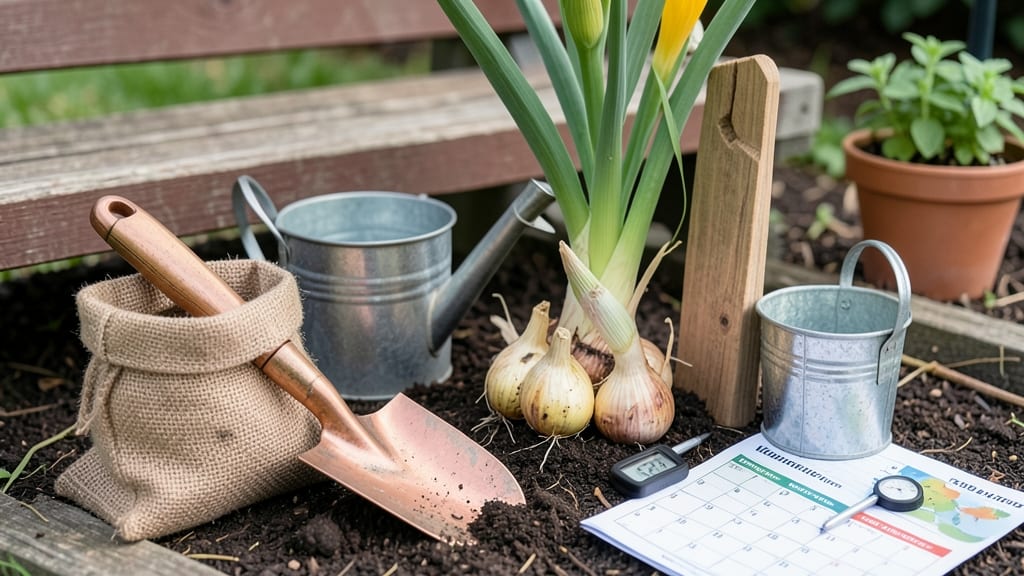
Planting gladiolus bulbs at the right time in North Carolina is the secret to those showstopping summer blooms that turn heads every year. Miss the window, and you might end up with weak stems or no flowers at all—something no gardener wants after waiting months for color.
The key lies in understanding your local frost dates and soil conditions, which can vary wildly from the mountains to the coast.
For most of North Carolina—especially zones 6b-8a—the sweet spot is late March to early May, right after the last frost has passed. But if you’re aiming for fall blooms, August to early September works just as well.
This timing ensures your 🌸 gladiolus get the long, hot growing season they crave before winter sets in.
Don’t let NC’s unpredictable weather throw you off. Whether you’re in the Piedmont or near the coast, I’ll break down exactly how to adjust your planting schedule for your specific microclimate. Plus, I’ll share pro tips for soil prep and post-planting care to keep those blooms thriving until frost.
Ready to grow gladiolus that steal the show? Let’s dive into the exact weeks you should be planting—and how to give your bulbs the best shot at success. Your garden’s summer spectacle starts now.
Best weeks before last frost to plant gladiolus bulbs in NC (2024 guide)
North Carolina’s varied climate—from the cool mountain regions to the humid coastal plains—means gladiolus planting times can shift by weeks. For peak summer blooms, aim to plant gladiolus bulbs (corms) 4-6 weeks before your area’s last frost date, typically between late March and early May.
This timing ensures roots establish before summer heat arrives, while avoiding frost damage.
In USDA zones 7a-8b (covering most of NC), the average last frost date falls around March 15, but this varies: mountain regions (e.g., Asheville) may see frost until April 1, while coastal areas (e.g., Wilmington) often warm up by March 1.
Use your local Almanac’s frost calendar or NC State Extension resources to pinpoint your exact window.
For fall blooms, plant again in late summer (August–early September), giving corms time to root before cooler temps. This second planting extends your gladiolus season into October, when many other flowers fade.
Here’s the critical timeline for NC gardeners, broken down by region and soil readiness:
| Region | Last Frost Date | Planting Window | Soil Temp Goal | Bloom Time |
|---|---|---|---|---|
| Mountains (Zone 7a) | March 15–April 1 | Late March–early April | 55–60°F (13–16°C) | July–August |
| Piedmont (Zone 7b) | March 1–March 15 | Late February–early March | 60–65°F (16–18°C) | June–July |
| Coastal (Zone 8a) | February 15–March 1 | Early February–late February | 65–70°F (18–21°C) | May–June |
🌱 Pro Tip: Test soil temp with a thermometer—wait until it hits 60°F+ for 24 hours before planting.
Soil temperature is non-negotiable for gladiolus success. These tropical-looking corms struggle in cold, wet soil, which can rot them before sprouting. Use a soil thermometer (or press your hand into the soil—if it’s cooler than your wrist, wait longer).
In NC’s piedmont, this often means delaying planting until mid-March even if frost risk is low.
For container gardening in NC, adjust timelines slightly: pots warm up faster than ground soil, so you can plant 2–3 weeks earlier than in-ground. Just ensure containers have drainage holes to prevent soggy roots—a common killer of gladiolus in humid NC summers.
If you’re in a transition zone (e.g., Raleigh or Charlotte), err on the side of planting later. A late frost in April can wipe out early plantings, and gladiolus are frost-sensitive once shoots emerge. For extra protection, use row covers or plant near warm microclimates like south-facing walls.
Finally, stagger your plantings by 2–3 weeks for continuous blooms. Start with early-season varieties in late March, then add mid- and late-season types in April. This ensures your garden stays vibrant from June through October, even if some flowers fade.
🌿 Once planted, focus on consistent moisture and full sun—gladiolus reward patience with bold, sword-like blooms that stand taller than most summer flowers.
How to adjust gladiolus planting for NC’s unpredictable weather patterns
North Carolina’s unpredictable spring weather can throw off even the most careful gardener’s planting schedule. One week you might see 60°F daytime temps, and the next, a surprise frost could roll in overnight.
For gladiolus, this means the difference between vibrant summer blooms and wasted corms. The key? Flexibility and preparation.
Start by monitoring your local last frost date, which varies widely across NC—from early March in the coastal plains to late April in the mountains. But don’t rely solely on averages.
Use a soil thermometer to confirm when temps consistently stay above 60°F at a 4-inch depth, the ideal condition for gladiolus corms to sprout.
If your spring is late or erratic, consider starting corms indoors 4-6 weeks before your target outdoor planting date. Use well-draining pots filled with a mix of potting soil and perlite, and place them near a south-facing window or under grow lights.
This gives you a 2-week head start once outdoor conditions improve.
🌱
⚠️ Warning: Planting Too Early or Too Late
Too Early: Corms planted before soil warms to 60°F risk rotting. Late frosts (common in NC’s piedmont) can also kill emerging shoots.
Too Late: Planting after June 1 delays blooms until late summer or fall, when heat and humidity increase fungal diseases like botrytis.
Solution: Use row covers for early plantings or opt for heat-tolerant varieties if planting late.
For soil preparation, focus on drainage and warmth. Gladiolus hate soggy roots, so amend heavy clay soils with compost and coarse sand. If your garden stays cool, try planting in raised beds, which warm up faster than in-ground soil.
A black plastic mulch laid 2-3 weeks before planting can raise soil temps by 5-10°F, speeding up growth.
Once planted, mulch heavily with straw or shredded leaves to protect corms from temperature swings and retain moisture. In humid NC summers, avoid overhead watering—use drip irrigation or soaker hoses to keep foliage dry and prevent gladiolus rust, a common fungal issue.
If a late frost threatens after planting, cover young shoots with frost cloth or old bedsheets secured with bricks. Remove covers once temps rise to 50°F to avoid overheating. With these adjustments, you’ll beat NC’s weather and enjoy bold gladiolus blooms from July through fall.