
Plants
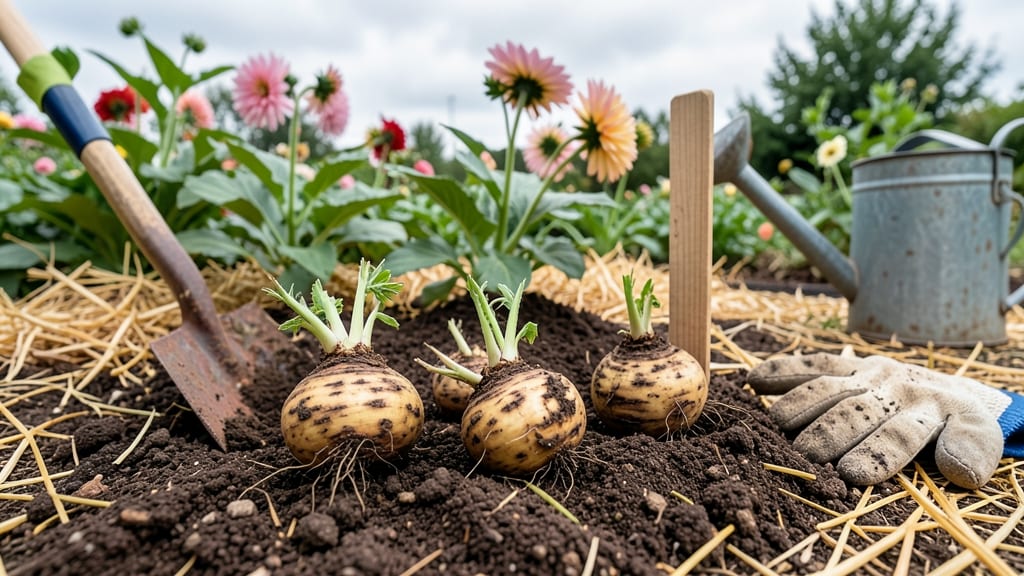
If you’ve ever dreamed of a Georgia garden bursting with 🌸 dahlias but hesitated because of the wrong planting time for when to plant dahlia bulbs in Georgia, you’re not alone.
The key to those showstopping blooms isn’t just soil or sunlight—it’s getting those tubers in the ground at the perfect moment after the last frost. Plant too early, and a late cold snap could kill your bulbs before they even sprout.
Too late, and you’ll miss the 3-month growing window that turns Georgia’s heat into your dahlias’ advantage.
For gardeners in Zones 7b-8b, timing isn’t just about dates—it’s about soil temperature. When those 60°F soil readings hit in March or April, your dahlias will thank you with lush, continuous blooms from July through October.
But here’s the catch: Georgia’s unpredictable spring weather means even a 1-week delay can set you back. I’ll show you exactly how to sync your planting with your local microclimate, so you’re not guessing when to dig in.
Let’s start with the most critical question: When should you actually plant those dahlia bulbs? The answer depends on whether you’re working with tubers or pre-sprouted bulbs, and how your specific corner of Georgia handles frost.
Spoiler alert—skipping the soil test step is a rookie mistake that’ll leave you scrambling for solutions later. Stick with me, and you’ll learn how to prep your bulbs, amend that clay-heavy soil, and even troubleshoot humidity’s sneaky role in dahlia care.
By the end, you’ll have a foolproof timeline tailored to your heat zone, plus pro tips to keep your dahlias thriving through Georgia’s sweltering summers. No more second-guessing—just bold blooms and a garden that turns heads. Ready to get started?
Georgia’s frost-free deadline for planting dahlias by heat Zone
Georgia’s USDA Heat Zones 7b-9a create distinct planting windows for dahlias, where a late frost in Zone 7b can shrivel tubers while Zone 9a enjoys longer growing seasons.
The critical rule is planting after the last frost and when soil reaches 60°F (15°C)—typically mid-March to early April for most regions. Missing this window risks stunted growth or rot, especially in Georgia’s humid summers.
For Zone 7b (North Georgia), the last average frost date is March 15, but microclimates near mountains can delay frost until April 1.
In Zone 8a (Central Georgia), you’ll find 2-3 weeks earlier planting opportunities, while Zone 9a (South Georgia) allows planting as early as February 15 in sheltered areas.
Dahlia tubers are frost-sensitive—even 32°F (0°C) can damage them. If you’re using pre-sprouted bulbs, wait until sprouts are 2-3 inches tall before planting, as they’re more resilient to brief cold snaps.
For bare tubers, chill them for 4-6 weeks at 40-50°F (4-10°C) before planting to mimic winter dormancy.
🌱
| Zone | Last Frost Date | Ideal Planting Window | Soil Temp Threshold | Notes |
|---|---|---|---|---|
| 7b (North GA) | March 15 | March 22 - April 5 | 60°F (15°C) | Use row covers if frost risk persists |
| 8a (Central GA) | March 1 | March 10 - March 25 | 60°F (15°C) | Longer growing season; plant early |
| 9a (South GA) | February 15 | February 20 - March 10 | 60°F (15°C) | Can plant in containers earlier |
To pinpoint your local frost-free date, check the National Weather Service or use Almanac.com’s frost calculator. Georgia’s microclimates—like urban heat islands or shaded valleys—can shift frost dates by 1-2 weeks. For example, Athens (Zone 8a) typically plants 2 weeks earlier than Blue Ridge (Zone 7b).
If you’re starting tubers indoors, begin 8-10 weeks before your target planting date. Use well-draining pots with sphagnum moss to prevent rot, and place them in a bright, cool spot (60-65°F). This head start ensures larger, more robust plants ready for Georgia’s humid heat.
For container gardening, you can plant 2-3 weeks earlier than in-ground dahlias, as pots warm up faster. Choose 5-gallon containers with drainage holes and fill with a mix of potting soil and perlite to improve drainage—a must in Georgia’s clay-heavy soil.
Once planted, dahlias in Zone 9a can continue blooming until first frost (November 15), while Zone 7b plants may finish by October 15. To extend the season, deadhead spent blooms and fertilize lightly every 4-6 weeks with a balanced 5-10-10 formula to encourage new growth.
🌿
How to prepare dahlia bulbs for Georgia’s planting season
Preparing your dahlia bulbs properly ensures they thrive in Georgia’s clay-heavy soil and humid climate. Start by inspecting each tuber for soft spots or mold—discard any that look damaged.
Healthy tubers should feel firm and have visible eyes (growth points). If your bulbs arrive early, store them in a cool, dark place like a garage until planting time.
Georgia’s USDA Zones 7b-8b mean your bulbs need a pre-chilling period of 6-8 weeks to break dormancy. Place tubers in a plastic bag with sphagnum moss or vermiculite and refrigerate. This mimics winter conditions and encourages sprouting. Avoid chilling for too long—over-chilling can stunt growth.
Amend your soil with organic matter like compost or aged manure to improve drainage—a must for Georgia’s heavy clay. Test your soil’s pH (ideal range: 6.5-7.0); if it’s too acidic, add lime.
For container gardening, use a well-draining potting mix with perlite. Containers warm up faster than ground soil, so you can plant 2-3 weeks earlier in containers.
When soil temperatures hit 60°F (use a soil thermometer), it’s time to plant. In Zone 7b, this typically falls in mid-April, while Zone 8b gardeners can start as early as late March.
Dig holes 4-6 inches deep and space tubers 12-15 inches apart to allow room for growth. Place the tuber with the eyes facing upward—this ensures straight stems.
After planting, water deeply to settle the soil and encourage root growth. Mulch with 2-3 inches of straw or shredded leaves to retain moisture and suppress weeds. In Georgia’s humid summers, mulch also helps prevent tuber rot. Avoid overwatering—dahlias prefer consistent moisture but hate soggy roots.
For pre-sprouted bulbs, wait until the last frost date (usually mid-March) and plant immediately after sprouts reach 2-3 inches tall. These bulbs are more delicate and should be handled carefully to avoid breaking stems.
If you’re unsure about your last frost date, use a local frost calendar or ask your county extension office for precise timing.