
Plants
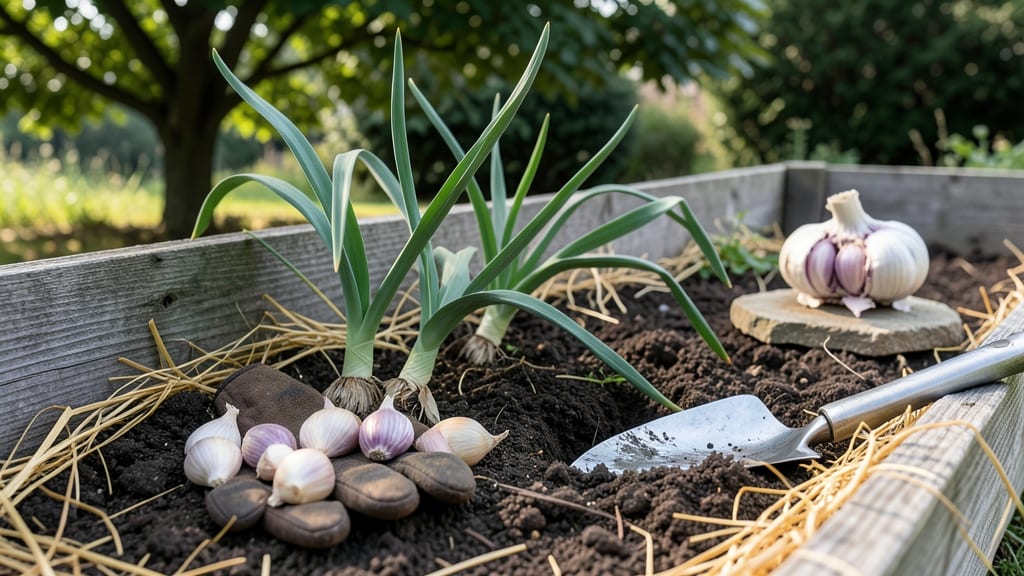
Planting garlic in Zone 10a’s warm winters might seem tricky—no frost means no traditional timing cues—but getting the timing right is the key to avoiding bolting and growing flavorful bulbs. Unlike colder zones, your 🧄 thrives when planted just before the coolest months, not after the first frost.
This means your best window isn’t in fall like most guides suggest, but in late fall or even early winter.
Why? Because Zone 10a’s mild winters create a unique challenge: garlic planted too early can bolt from heat stress, while planting too late means smaller harvests. The sweet spot is October through January, when soil temps stay cool but not freezing.
This timing ensures your garlic gets the 6-8 weeks of cold it needs to form proper bulbs before spring heat arrives.
If you’ve ever wondered how to adapt classic garlic-growing advice for your climate, you’re not alone. Many gardeners in Southern California and coastal areas struggle with this exact question. The good news?
With the right strategies—like shade cloth, mulching, and variety selection—you can grow garlic that’s just as robust as in colder zones. Let’s break down the exact steps to make it work.
In this guide, I’ll walk you through the perfect planting schedule, soil prep tricks, and care tips tailored for Zone 10a’s zero-frost conditions. Whether you’re a first-time grower or a seasoned gardener, these insights will help you grow garlic that’s bigger, tastier, and stress-free. Ready to get started?
Best planting windows for garlic in Zone 10A: month-by-month breakdown
Zone 10A’s mild winters and warm soil create unique challenges for garlic growers. Unlike colder zones, garlic won’t experience natural dormancy from frost, making timing critical to prevent premature bolting.
The goal is to plant when soil temps drop below 75°F but before winter rains arrive—typically October through December. This window ensures bulbs mature before summer heat stress.
For hardneck garlic, aim for October-November planting. These varieties need cool winter temps (40-50°F) to form bulbs, but Zone 10A’s winters rarely dip that low. Softneck garlic, however, handles warmth better and can be planted through January.
Both types require 6-8 months of growth before harvest, so adjust timing based on your expected harvest date (late spring).
🌱
| Month | Ideal Planting Window | Soil Temp Threshold | Notes for Zone 10A |
|---|---|---|---|
| September | Early planting (risky) | 75-80°F | High bolting risk; use shade cloth if attempting. |
| October | Prime window (hardneck) | 65-75°F | Best balance of cool soil and winter prep. |
| November | Ideal for softneck | 60-70°F | Avoid if rains are heavy; adjust for inland vs. coastal. |
| December | Last chance (winter garlic) | 55-65°F | Use thick mulch to protect from mild winter warmth. |
| January | Emergency only | 50-60°F | Bulbs may be small; prioritize shade and water. |
Microclimates in Zone 10A play a huge role. Coastal areas (like San Diego) stay milder longer, so aim for October-November planting. Inland regions (e.g., Riverside) can plant slightly later due to cooler nights.
Always check soil temps at 6-inch depth—garlic roots need temps below 70°F to establish properly. Use a soil thermometer for accuracy.
For hardneck varieties, prioritize October planting to ensure they experience enough coolth (even if mild) to form scapes and bulbs. Softneck garlic, like ‘California Early’, is more forgiving and can handle November-December plantings.
If you miss the fall window, consider winter garlic (planting in December-January) with heavy mulching to simulate cooler conditions.
🌿
Another key factor is harvest timing. Garlic in Zone 10A typically matures 4-6 weeks earlier than in colder zones due to the extended growing season. If you plant in October, expect harvests by late March.
For December plantings, harvest in May-June. Always monitor lower leaf dieback—this is your cue that bulbs are ready. Over-mature garlic in warm climates can split or rot, so stay vigilant.
Pro tip: Label your garlic by planting date. This helps track which batches need harvesting first. In Zone 10A, early plantings (October) will harvest first, while late plantings (December) may need shade to prevent bolting.
Use drip irrigation on a timer to maintain consistent moisture without overwatering—a common pitfall in warm climates.
✂️
How to adapt garlic planting for Zone 10A’s zero-frost challenges
Zone 10A’s mild winters and warm temperatures create unique challenges for garlic growers. Without frost to trigger dormancy, garlic often bolts prematurely—shooting up a flower stalk instead of developing bulbs. The key is to mimic winter conditions through shade, mulching, and strategic planting windows.
Traditional fall planting (October-November) works, but the lack of frost means you’ll need to extend the cool season artificially. For example, I’ve had success using shade cloth (30-50%) during peak winter sun to keep soil temps below 60°F. This simple trick can delay bolting by 4-6 weeks.
- ✅ Pros: Natural dormancy from cool temps
- ✅ Cons: Risk of bolting in warm winters
- ✅ Pros: Extended cool season with shade/mulch
- ✅ Cons: Requires extra effort for shade setup
Planting Window: Oct-Nov vs. Dec-Jan
Key Adjustment: Shade cloth + thick mulch
Another solution is winter planting (December-January), which aligns with Zone 10A’s natural cooler months. I’ve found that planting in January gives bulbs enough time to mature before summer heat arrives.
Just be sure to mulch heavily (6+ inches of straw or leaves) to insulate roots from warm soil temperatures.
For coastal areas (like San Diego), ocean breezes can help regulate temps, but inland zones may need even more intervention. I’ve used black plastic mulch in early spring to warm soil gradually—this prevents sudden temperature spikes that trigger bolting.
The goal is to keep soil temps between 50-65°F during active growth.
If you miss the fall window, don’t panic—early spring planting (February-March) can still work, but expect smaller bulbs. In my garden, I’ve had decent results with ‘Artichoke’ garlic planted in March, though I prioritize shade and consistent watering to compensate for the shorter growing season.
Remember: Zone 10A garlic thrives on patience. The extra steps—like shade cloth and mulching—pay off with plump, flavorful bulbs that store well. Start small with a few cloves, experiment with timing, and adjust based on your microclimate.
With the right approach, you’ll harvest homegrown garlic even in a frost-free zone! 🌱