
Plants
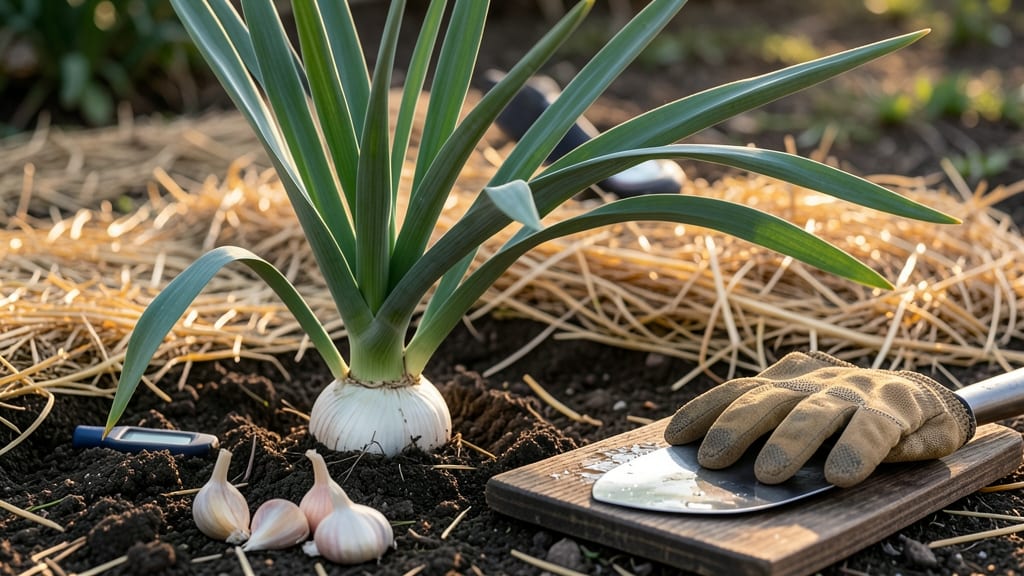
Planting garlic in San Diego isn't just about timing—it's about unlocking the perfect window when your 🧄 cloves will thrive without bolting or struggling. With no frost to worry about, you’ve got flexibility, but getting it wrong means smaller bulbs or bitter flavors.
The key? Knowing exactly when to tuck those cloves into the soil so they grow strong all winter long, even in your urban balcony or backyard.
Most gardeners here assume fall is the only option, but the truth is more nuanced. Coastal areas like yours can actually plant garlic through November, while inland spots might need to start earlier.
The difference comes down to soil temperature and how quickly your garlic wants to bolt—something I’ll help you avoid with simple tricks. Let’s cut through the guesswork and get you planting at the ideal moment for your microclimate.
What if I told you you could grow garlic year-round in San Diego? It’s possible, but only if you follow the right schedule. Whether you’re growing hardneck varieties for flavor or softneck for storage, the 30-day window between October and November makes all the difference.
I’ll show you how to adjust for your specific neighborhood—whether you’re near the coast or tucked inland—so your garlic grows plump, flavorful, and ready to harvest by spring.
Ready to ditch the trial-and-error? By the end of this guide, you’ll know exactly when to plant your garlic, how deep to bury those cloves, and even how to protect them from unexpected temperature swings.
No more wasted seeds or disappointing harvests—just bold, beautiful bulbs that make every meal taste like a victory. Let’s get started.
Best planting windows for San Diego garlic (hardneck vs softneck)
San Diego’s year-round frost-free climate gives you flexibility with garlic planting, but timing still matters to maximize yields and prevent bolting. Unlike colder regions, you can grow both hardneck and softneck varieties successfully, but each thrives in slightly different windows.
Let’s break down the ideal months for each type, accounting for coastal temperature fluctuations and microclimates like inland areas or urban balconies.
For hardneck garlic, aim to plant between mid-October and early November. This timing aligns with San Diego’s coolest months, when soil temperatures hover around 50-60°F—perfect for clove sprouting.
Hardnecks need this cooler period to develop scape stalks (the curly stems) and robust bulbs. Planting later than November risks premature bolting as temperatures warm up.
Softneck garlic, on the other hand, is more adaptable to warmer conditions and can be planted from late September through December. This extended window works because softnecks focus energy on bulb development rather than scapes, making them ideal for San Diego’s mild winters.
If you’re in a warmer inland microclimate (like Escondido), lean toward September-October to avoid heat stress.
Now, let’s compare the two varieties side-by-side to help you choose the best fit for your garden or balcony:
If you’re planting in urban balconies or containers, opt for softneck varieties like Silverskin or Artichoke. These adapt better to limited root space and warmer microclimates. For in-ground gardens, hardnecks like Music or German Red shine in cooler coastal zones like La Jolla or Del Mar.
Pro tip: Use a soil thermometer to confirm temperatures before planting. Aim for consistent 50-60°F soil—this is your green light to start. If temperatures dip below 40°F, delay planting to avoid slow germination or rotting cloves.
One common mistake in San Diego is planting garlic too late and ending up with small, weak bulbs. For example, planting hardnecks in December might work, but you’ll likely sacrifice bulb size and flavor intensity.
Stick to the October-November window for hardnecks and September-December for softnecks to ensure the best results.
For maximum yield, pair your planting with well-draining soil and a thick mulch layer (like straw or wood chips) to retain moisture and regulate soil temperature. This is especially critical in sandy coastal soils, which can dry out quickly.
🌱
How to time garlic planting for zero-frost success in coastal areas
San Diego’s frost-free winters mean you can plant garlic almost year-round, but timing still matters to prevent premature bolting or stunted growth. Unlike colder climates, your goal isn’t to avoid frost—it’s to align planting with soil temperature drops and rainfall patterns that trigger garlic’s natural dormancy cycle.
Most gardeners here plant in October or November, but coastal areas (like La Jolla) can push planting into early December thanks to moderating ocean breezes. Inland spots (like Escondido) should plant slightly earlier to account for cooler nighttime temps that mimic frost conditions.
If you plant garlic after mid-December, it may not fully vernalize (experience cold treatment) before spring, leading to bolting (flowering) instead of bulb development. Coastal areas have a 30-day window longer than inland zones for safe planting.
For urban balconies or containers, use well-draining potting mix and plant cloves in October—they’ll mature faster in confined spaces. Add a 2-inch layer of straw mulch to insulate roots from temperature swings, especially in windy coastal areas where soil cools rapidly at night.
Monitor soil temperatures using a probe—ideal planting temps are between 50°F and 60°F. If temps drop below 40°F, delay planting until conditions stabilize. This is critical for softneck varieties, which are more sensitive to cold stress than hardnecks.
Extend your growing season by using shade cloth (30-50%) in summer to protect newly planted cloves from intense coastal sun, which can cause bolting.
For winter protection, cover beds with floating row covers during rare cold snaps (below 32°F)—San Diego’s 10a zone rarely sees frost, but microclimates near mountains can dip lower.
Remember: Harvest timing is just as critical as planting. In San Diego, garlic typically matures between April and June, but coastal varieties may be ready 2-3 weeks earlier than inland ones.
Always harvest when lower leaves turn brown but before the tops flop over—this ensures peak flavor and storage life.