
Plants
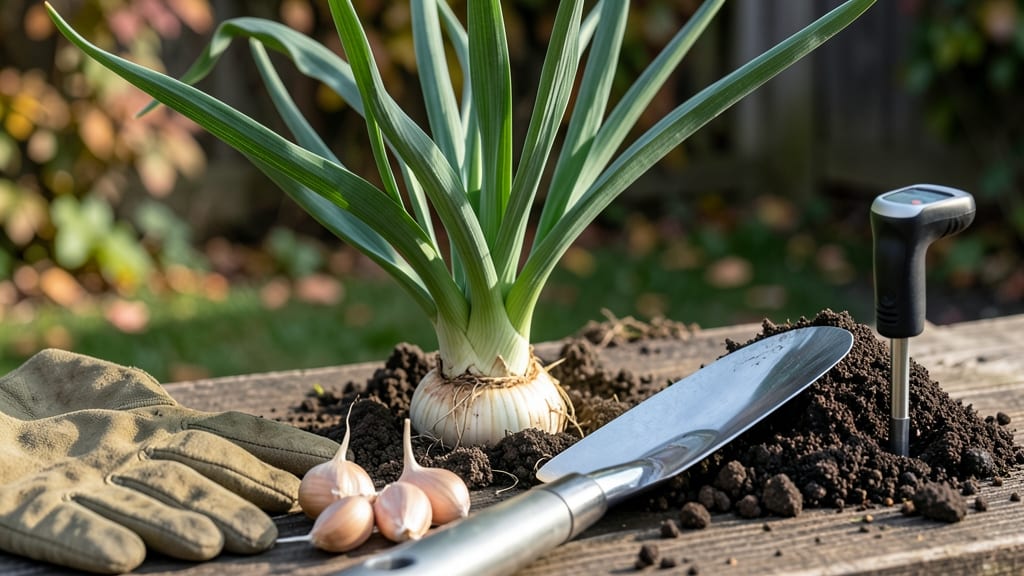
Planting garlic in Rhode Island at the wrong time can mean the difference between a bumper crop of 🧄 and a total flop—especially when coastal winds and early frosts throw off your schedule.
The key to success lies in understanding your local climate, where timing isn’t just about months but about soil temperatures and frost patterns that can vary dramatically from Providence to the coast.
Most gardeners in USDA Zone 6a swear by planting between October and November, but getting it just right means accounting for Rhode Island’s unpredictable weather. Too early, and your cloves might sprout before winter sets in; too late, and they’ll rot in the cold ground.
I’ll break down the exact window that works for hardneck varieties—and why it’s worth the extra effort for bulbs that taste better than anything you’ll find in a store.
You don’t need a green thumb to grow garlic here, but you do need to know when to put those cloves in the ground.
Whether you’re a first-timer or a seasoned gardener, these tips will help you avoid common mistakes and set yourself up for a harvest that’ll make your neighbors jealous. Let’s get started.
From adjusting for microclimates to recognizing the signs of a perfect planting window, I’ll walk you through everything you need to know. By the end, you’ll be ready to plant with confidence—and maybe even start a tradition of bragging about your 🧄 at the farmers’ market.
Best planting months for garlic in Rhode Island’s USDA Zone 6b
Rhode Island’s USDA Zone 6b climate means garlic thrives when planted during its cool fall months—but timing is everything. The ideal window spans mid-October to mid-November, when soil temperatures drop below 70°F but before the ground freezes.
This ensures garlic roots establish before winter dormancy, setting the stage for large, flavorful bulbs next summer.
For hardneck garlic (the preferred variety for RI’s climate), aim to plant 4-6 weeks before the first hard frost.
In most of Rhode Island, this lands between October 15th and November 15th, but coastal areas like Newport or Narragansett may need to plant slightly earlier due to earlier frosts. Use your local frost-free date as your guide—garlic needs time to root before winter sets in.
Soil temperature is the secret weapon for success. Garlic cloves sprout best when soil is between 40°F and 50°F.
In Rhode Island, this typically happens by mid-October, but if your soil stays warm longer (common in Providence or Pawtucket), wait until late October to avoid premature sprouting or rot.
Moon phases also play a role—planting during the waning moon (when the moon is shrinking) is said to encourage root growth. For RI gardeners, this often aligns with October’s last quarter moon, making it a traditional (and scientifically backed) time to plant.
🌱 Rhode Island Garlic Planting Timeline
| Stage | Action | Notes |
|---|---|---|
| Soil Prep | Test pH (6.0-7.0), amend with compost | Do in September for coastal RI |
| Planting Window | Mid-October to mid-November | Avoid planting after November 15th |
| Depth | 2 inches, pointed end up | Use 4-inch spacing between cloves |
| Mulching | Add 4-6 inches of straw | Apply after first frost for insulation |
| Harvest Time | Mid-July to late July | When lower leaves brown and tops dry |
🌡️ Pro Tip: Use a soil thermometer to confirm temps are below 70°F before planting.
Rhode Island’s coastal influence means microclimates vary dramatically. Inland areas like Westerly or Coventry often have warmer soils later into fall, while coastal towns like Block Island experience earlier frosts.
Adjust your planting date by 1-2 weeks based on your specific location—check the National Weather Service for your town’s frost dates.
If you miss the fall window, you can plant garlic in early spring (March), but bulbs will be smaller and less flavorful. Spring-planted garlic is best for green garlic or scallions, not mature bulbs.
For the best harvest, stick to fall planting—it’s the only way to grow large, hardneck garlic in Rhode Island’s climate.
One common mistake RI gardeners make is planting too late in November, when the ground is already cold. Garlic cloves need 4-6 weeks to root before winter, so if you plant after November 15th, your garlic may rot or fail to sprout.
Use a moisture meter to ensure soil stays damp but not soggy during this critical period.
For organic gardeners, avoid synthetic fertilizers during planting. Instead, mix compost or well-rotted manure into the soil before planting. This provides slow-release nutrients that support root growth without burning tender cloves.
In Rhode Island’s sandy soils, adding 1 inch of compost per planting hole can make a big difference in bulb size.
Finally, don’t forget to label your garlic beds! With 270+ days until harvest, it’s easy to forget what you planted—especially if you’re also growing onions or shallots nearby. Use biodegradable plant markers to track varieties like ‘German Red’ or ‘Silverskin’, which have different harvest times.
With the right timing and a little local know-how, your Rhode Island garlic will be plump, flavorful, and ready to harvest just as summer begins. And trust me—there’s nothing like the taste of homegrown garlic fresh from your garden, especially when it’s grown with the
How to adjust your planting schedule for Rhode Island’s microclimates
Rhode Island’s coastal geography creates microclimates that can shift your garlic planting window by weeks—sometimes even months. Coastal areas like Narragansett and Newport experience milder winters and later frosts, while inland spots like Providence or Central Falls freeze earlier.
Understanding these differences helps you plant at the perfect time for your yard.
For coastal RI, aim for late October to early November—the ocean’s moderating effect delays frost. Inland areas should plant mid-October to late October to avoid ground freeze. Even a 2-week difference can mean the difference between robust bulbs and stunted growth.
🌱
| Microclimate | Ideal Planting Window | Key Adjustments | Frost Risk |
|---|---|---|---|
| Coastal (Narragansett, Newport) | Late Oct - Early Nov | Wait for soil temps below 50°F | Low (last frost: Nov 15) |
| Inland (Providence, Central Falls) | Mid-Oct - Late Oct | Plant 4-6 weeks before first frost | High (first frost: Oct 15) |
| Eastern RI (Westerly, Charlestown) | Early Oct - Mid-Oct | Use heavy mulch for insulation | Moderate (last frost: Nov 1) |
Mulching is your secret weapon in RI’s variable climate. A 4-inch layer of straw or leaves insulates garlic roots, extending the planting window by 2-3 weeks in both coastal and inland areas. For coastal zones, mulch also protects against salt spray that can damage young shoots.
If you’re growing softneck garlic (like Silverskin), plant in early November—its longer growing season benefits from the milder coastal winters. Hardneck varieties (like Rocambole) thrive with an earlier start in mid-October for inland areas, producing those prized scape shoots by spring.
Pro tip: Check your local Cooperative Extension Service (URI’s RI Master Gardeners) for weekly frost alerts. Their updates help you fine-tune planting dates based on real-time weather shifts—critical for RI’s unpredictable autumns.
✂️