
Plants
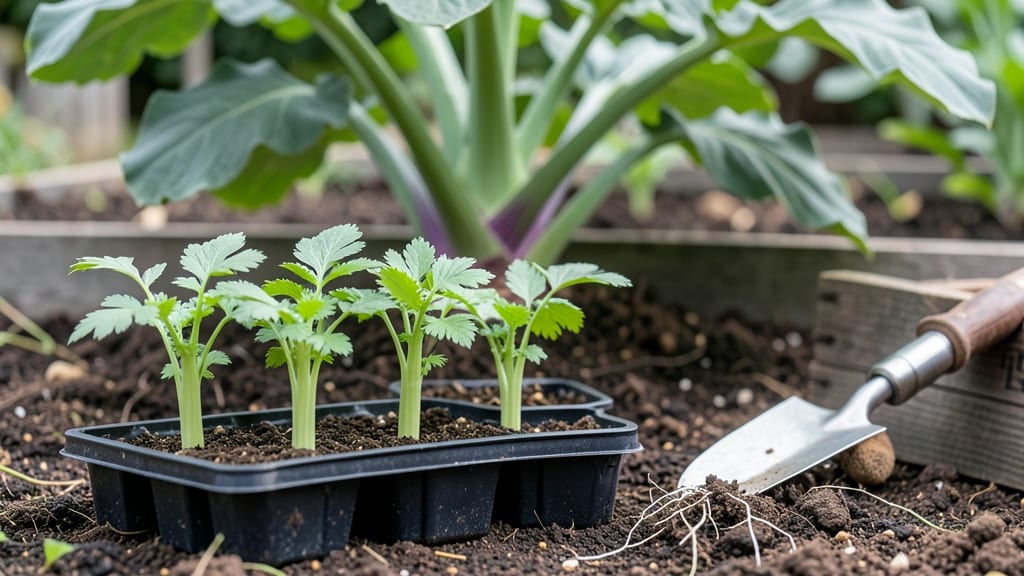
Planting celery in Ohio’s 6a climate zone feels like walking a tightrope between frost and heat—but get the timing right, and you’ll harvest crisp, homegrown stalks instead of bitter disappointment.
The key lies in understanding your last frost date (around April 15) and soil temperatures that stay above 50°F for steady growth.
You’ve got two prime windows: early spring (March-April) for a summer harvest or late summer (July-August) to beat the heat. Direct seeding works for spring, but transplants give you a head start in warmer months.
I’ll show you exactly how to time it—plus the soil prep tricks that make all the difference in Ohio’s unpredictable weather.
Celery thrives on patience, but rushing it leads to bolted, stringy stalks. We’ll cover variety choices that handle Ohio’s 165-day growing season, from fast-maturing types to heat-tolerant picks. With the right approach, you’ll avoid the biggest mistakes and enjoy fresh, homegrown 🥬 all the way into fall.
Ready to grow celery that actually tastes like celery? Let’s break down the perfect planting schedule, soil secrets, and watering routines tailored just for Ohio gardeners—so you can skip the store-bought and enjoy the harvest instead.
Optimal planting dates for celery in Ohio’s climate zones
Ohio’s USDA Hardiness Zones 5-7 create a unique challenge for growing celery—cool springs and hot summers demand precise timing. The last average frost date in most of Ohio falls around April 15, but northern regions like Cleveland may see frost until May 1.
Southern Ohio, including Cincinnati, typically warms up faster, with frost-free dates as early as March 25.
Celery thrives in cool-season conditions, so planting too early risks frost damage, while waiting too long can trigger bolting (premature flowering) in summer heat. The ideal window is either early spring (March-April) or late summer (July-August) for a fall harvest.
Let’s break down the best strategies for each Ohio region.
| Region | USDA Zone | Last Frost Date | Spring Planting Window | Summer Planting Window |
|---|---|---|---|---|
| Northern Ohio (Cleveland, Toledo) | 5b-6a | April 15-May 1 | April 15-May 1 (transplants) | July 15-August 15 |
| Central Ohio (Columbus, Dayton) | 6a-6b | April 1-May 1 | March 25-April 15 (seeds) | July 1-August 10 |
| Southern Ohio (Cincinnati, Lexington) | 6b-7a | March 25-April 10 | March 15-April 1 (direct sow) | June 20-July 15 |
For spring planting, start seeds indoors 8-10 weeks before your last frost date. In Ohio, this means sowing mid-January to early February for northern regions and late January to mid-February for southern Ohio. Transplant seedlings outdoors only after soil reaches 50°F and nighttime temperatures stay above 40°F consistently.
If you prefer direct sowing, wait until soil warms to 55°F—typically late April to early May in most of Ohio. Southern Ohio gardeners can push this to mid-April, but be prepared to use row covers for frost protection.
Direct-sown celery takes 10-14 days to germinate, so don’t rush the process.
For a fall harvest, focus on late summer planting (July-August). This second planting window works because Ohio’s first frost usually arrives around October 15, giving celery 60-80 days to mature before cold sets in. Choose heat-tolerant varieties like 'Utah Improved' to avoid bolting in summer’s peak heat.
Succession planting is key in Ohio’s short season. For spring crops, make weekly transplants every 2-3 weeks from April through May to stagger harvests. In late summer, repeat the process with monthly sowings from July through August for a continuous supply of fresh celery.
Pro tip: Use black plastic mulch to warm soil faster in spring or shade cloth in summer to protect plants from Ohio’s intense midday sun. This simple trick can extend your growing season by 2-3 weeks on either end.
Remember, celery is a cool-season crop, so avoid planting when daytime temperatures exceed 80°F. If summer heat arrives early, opt for shorter-day varieties or move plants to a partially shaded area of your garden.
🌱
Soil temperature and celery growth: what Ohio gardeners must know
Celery is a cool-season crop that thrives when soil temperatures stay between 45°F and 75°F. In Ohio, this means waiting for the ground to warm after frost—typically mid-April to early May—but rushing can trigger bolting. Soil too warm (above 80°F) will make celery bitter and stunted.
Northern Ohio gardeners should plan for 2-3 weeks later than southern regions due to slower warming.
Use a soil thermometer to check depth (1 inch down). For germination, aim for 45°F minimum, while roots develop best at 60°F+. If your soil heats up too fast, try shade cloth or mulch to regulate temperatures.
Raised beds warm faster than in-ground soil, so they’re ideal for early starts in cooler zones.
⚠️ CRITICAL WARNING ⚠️
Ohio’s northern zones (5-6a) often face this—use row covers or wait until late April. Southern Ohio (zone 7) can start 2 weeks earlier once soil hits 50°F.
🌡️ Pro Tip: Test soil at 10 AM for accuracy—morning temps can be misleading.
For late-summer plantings (July-August), focus on heat-tolerant varieties like 'Utah Improved' and keep soil moist to prevent bolting. Use drip irrigation to maintain even moisture—celery hates drying out. In Ohio’s humid summers, mulch with straw to retain moisture and deter weeds while keeping roots cool.
If your soil stays too cool past May, opt for transplants instead of direct seeding. Seedlings from nurseries (hardened off) adapt faster to Ohio’s unpredictable spring than home-sown seeds. Look for 6-inch-tall plants with thick stalks—these handle transplant shock better.
Monitor nighttime temperatures after planting. Celery needs consistent cool nights (below 70°F) to avoid flowering. If summer heat arrives early, extend shade with a 30% shade cloth until temps drop. This trick works wonders in central Ohio’s sweltering July afternoons.
Remember: Patience pays off. Rushing celery into Ohio’s soil too soon leads to slow growth, bolting, or disease. Wait for soil warmth + stable temps, and your harvest will reward you with crisp, homegrown stalks by fall. 🥬