
Plants
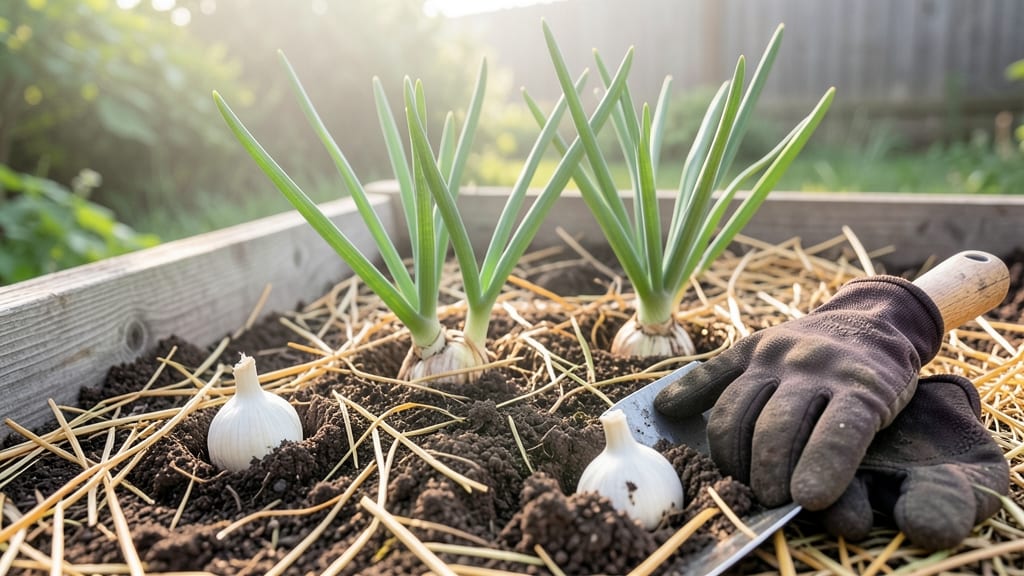
Planting garlic in North Dakota isn’t just about timing—it’s about survival in a climate where winters can be brutal and summers are short. If you’ve ever wondered why your garlic cloves fail to thrive despite your best efforts, the answer likely lies in when you planted them.
The 4-6 week window before the ground freezes is your best shot at hardy bulbs that make it through the cold.
Here’s the thing: North Dakota’s USDA Zone 4b demands precision. Whether you’re growing hardneck varieties (the cold-hardy superstars) or softneck (better suited for milder regions), planting too early or too late can spell disaster.
I’ve seen firsthand how a mid-September to early October start transforms a struggling patch into a thriving harvest by next summer.
But here’s what most gardeners miss: it’s not just about the calendar—it’s about soil temperature and frost dates. Cold soil can stunt growth, while premature frost can kill young plants.
I’ll show you how to read your local microclimate and adjust your planting schedule to match North Dakota’s unpredictable weather, ensuring your garlic gets the strong start it needs.
Ready to turn your garlic patch from a gamble into a guaranteed harvest? Let’s break down the exact steps, from soil prep to mulching, so you can plant with confidence—and reap the rewards by mid-July.
North Dakota garlic planting calendar: hardneck vs softneck timing differences
North Dakota’s USDA Zones 3-4 create unique challenges for garlic growers, but timing your plantings correctly can mean the difference between a thriving crop and frost damage. Most gardeners here focus on hardneck varieties, which thrive in cold climates, but softneck garlic can also succeed with proper timing adjustments.
The key window is mid-September to early October, when soil temperatures drop below 50°F (10°C) but before hard frost sets in.
Hardneck garlic, like 'German White' or 'Silverskin', needs 4-6 weeks of cold exposure to form bulbs properly. Softneck varieties, such as 'Artichoke', are less cold-hardy and require slightly later planting or extra frost protection.
Missing this window can lead to weak growth or bulb rot during ND’s freezing winters.
Here’s how to align your planting with North Dakota’s climate patterns:
| Factor | Hardneck Garlic (Best for ND) | Softneck Garlic (Milder Conditions) |
|---|---|---|
| Planting Window | Mid-September to early October | Late September to early November |
| Soil Temperature | Below 50°F (10°C) | 45-55°F (7-13°C) |
| Frost Protection Needed | Minimal (mulch 4-6 inches) | Moderate (mulch + row covers) |
| Clove Size | Medium (1-1.5 inches) | Large (1.5+ inches) |
| Harvest Time | Mid-July to early August | Late July to mid-August |
For hardneck garlic, aim to plant when daytime highs hover around 60°F (15°C) and nights dip below freezing. This typically aligns with late September in most of North Dakota.
If you’re in Zone 3 (e.g., near Devils Lake), push planting to early September to avoid early frosts. In Zone 4b (e.g., Fargo or Bismarck), mid-September is ideal.
Softneck varieties need a shorter cold period and can tolerate slightly later plantings. However, they’re riskier in ND’s climate unless you use row covers or cold frames during winter.
If you’re experimenting with softneck, plant by early November at the latest, but be prepared to protect them with thick mulch (straw or leaves, 6+ inches).
Check your local first frost date (typically September 15 in ND) and plant 4-6 weeks before that date. For example, if frost arrives on September 20, plant by August 25.
Use a soil thermometer to confirm temperatures are dropping below 50°F (10°C)—this triggers bulb formation in hardneck varieties.
Pro tip: Plant hardneck garlic in raised beds if your soil drains poorly. North Dakota’s clay-heavy soils can cause rot if water pools around cloves. Amend beds with compost or sand to improve drainage before planting.
Remember, garlic planted in fall will sprout in spring, but it needs consistent moisture during its first growing season. Plan to water deeply every 7-10 days once growth resumes in April or May, depending on snowmelt.
🌱
5 Critical factors that determine your garlic planting success in North Dakota
North Dakota’s USDA Zone 3-4 climate forces gardeners to prioritize specific factors when planting garlic—or risk losing their crop to winter’s harshness. The 5 critical factors below will help you maximize bulb size and overwinter survival, even in freezing temperatures.
First, soil temperature is non-negotiable. Garlic cloves need 40-50°F soil to sprout, but they’ll survive subzero temps once established. Planting too early (when soil is still warm) triggers premature growth, while waiting too long risks cloves freezing before roots establish.
Next, clove size matters. Larger cloves (separated from bulbs) yield bigger harvests, but smaller cloves (pea-sized) are hardier for North Dakota’s short season. Save your largest cloves for cooking and plant the medium-sized ones for next year’s crop.
Frost protection is your secret weapon. A 4-6 inch mulch layer of straw or leaves after planting insulates cloves from temperature swings. In extreme cold snaps (below -20°F), add a thick layer of burlap or snow for extra insulation.
🌱
Plant when soil reaches 40-50°F (typically mid-September to early October in ND). Use a soil thermometer for accuracy.
Use medium-sized cloves (1-2 inches) for best balance of size and hardiness. Larger cloves yield bigger bulbs but may struggle in ND’s short season.
Apply 4-6 inches of straw or leaves after planting. Increase to 8+ inches in winter for extreme cold protection.
Garlic needs 6+ hours of full sun daily. In North Dakota, choose south-facing beds for maximum winter sunlight exposure.
Remove mulch in early spring (March) to prevent rot. Fertilize lightly with 10-10-10 when shoots are 4-6 inches tall.
Don’t overlook spring care, either. While garlic is dormant in winter, early spring maintenance sets the stage for harvest. Remove mulch in March to prevent rot and apply a light fertilizer when shoots reach 4-6 inches—this jumpstarts growth during North Dakota’s brief growing season.
Finally, choose the right variety. Hardneck garlic (like ‘Music’ or ‘German White’) thrives in ND’s cold winters, while softneck varieties (like ‘Silverskin’) struggle with freezing temps. Stick to hardneck types for reliable harvests in Zone 3-4.
Master these 5 factors, and you’ll transform North Dakota’s challenging climate into an advantage—producing large, flavorful bulbs that survive even the coldest winters. 🌿