
Plants
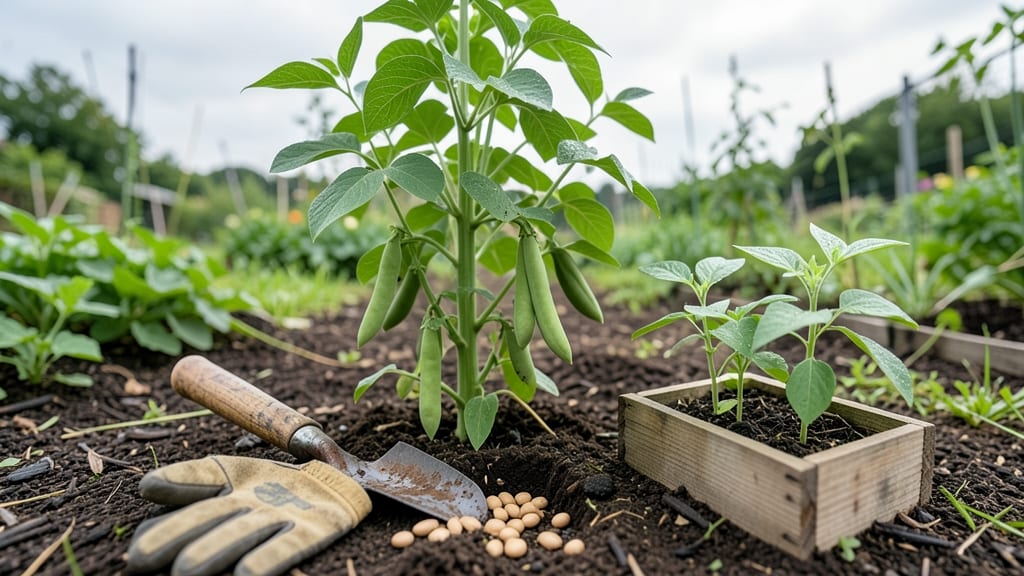
Planting bush beans 🌱 in Florida at the wrong time means waiting weeks for seeds to sprout—or worse, watching them rot in the heat. Unlike northern gardens, Florida’s frost-free climate lets you grow these fast-yielding beans year-round, but timing still matters for speed and success.
Most gardeners assume you can just drop seeds anytime, but soil temperature is the real game-changer. Bush beans germinate best when soil stays between 60°F and 85°F—too hot or too cool, and you’re fighting an uphill battle.
I’ll show you exactly when to plant in your specific Florida region to get those first green pods in just 60 days.
North Florida’s cooler winters mean your best bets are early spring or fall, while South Florida’s heat tolerance lets you plant almost anytime. The key? Avoid those sweltering summer months when seeds turn to mush before they even wake up.
Ready to stop guessing? I’ll walk you through soil tests, regional planting calendars, and pro tips to turn your Florida garden into a bush bean powerhouse—no more wasted seeds or slow starts.
Optimal Florida planting windows for bush beans by season
Bush beans thrive in Florida’s year-round climate, but seasonal timing directly impacts germination speed and yield. Unlike northern states, Florida’s frost-free growing zones (USDA 8a-11) allow for multiple planting cycles—but extreme heat or cold can stress plants.
The key is planting when soil temperatures sit between 60-85°F, which triggers fast germination and steady growth.
For best results, focus on fall, winter, and spring plantings. Summer heat (above 90°F) causes beans to bolt prematurely, while winter’s cooler temps (below 55°F) slow growth. Even in Florida, microclimates (urban heat islands, coastal breezes) shift ideal windows by 2-4 weeks, so local conditions matter.
Here’s how to align your planting with Florida’s natural seasonal rhythms:
| Season | Best Planting Months | Soil Temp Range (°F) | Key Conditions | Harvest Window |
|---|---|---|---|---|
| Fall | August–October | 65–80°F | Warm days, cool nights; avoid late-season hurricanes | October–December |
| Winter | November–February | 60–75°F | Cooler temps; protect from light frosts (North FL) | January–March |
| Spring | February–April | 70–85°F | Ideal germination; avoid late-spring heatwaves | April–June |
| Summer | May–July (early mornings only) | Above 85°F (risky) | Use shade cloth; water deeply at dawn | June–August (small yields) |
Fall plantings (August–October) often yield the most consistent harvests because soil stays warm while humidity drops, reducing fungal risks. Start seeds 4-6 weeks before your target month to give seedlings a head start. For example, plant seeds indoors in July for an August outdoor transplant.
Winter plantings (November–February) work best in South Florida, where frosts are rare. In North Florida (e.g., Jacksonville), use row covers or plant near south-facing walls to trap heat. Avoid planting after December 1 if frost is forecasted—beans wilt at 32°F.
Spring (February–April) is the sweet spot for fast germination and high yields. Soil warms quickly, and daylight length encourages vigorous growth. If you miss spring, late summer (May–June) is a backup, but shade cloth (30-50%) is a must to prevent bolting.
Summer plantings (July–August) are high-risk but possible with strategic adjustments. Plant seeds only in early morning when soil temps drop below 85°F. Use black plastic mulch to insulate roots and drip irrigation to keep soil moist. Expect smaller yields but longer shelf life due to slower growth.
Pro tip: Succession plant every 2-3 weeks in fall/spring to extend harvests. For example, sow a batch in September, then again in October and November—this ensures a steady supply of fresh pods for 4+ months. 🌱
Soil temperature and germination: how to test and time planting
Bush beans thrive when soil temperatures hover between 60°F and 85°F. In Florida, this means avoiding the hottest summer months (June-August) where soil can exceed 90°F, causing slow germination or seed rot. Instead, aim for spring (March-May) or fall (September-November) when temperatures are ideal.
Use a soil thermometer to check depth—bush beans need warmth at 2-3 inches deep. Morning readings between 70°F and 80°F are perfect for planting. If your soil is cooler than 60°F, delay planting or use black plastic mulch to warm the soil faster.
🌡️ Soil Temperature Ratings for Bush Bean Germination
For fast germination (7-10 days), keep soil moist but not waterlogged. After planting, use a light mulch layer (1-2 inches) of straw or grass clippings to retain moisture and regulate temperature. Avoid watering seeds directly—use a gentle spray or drip irrigation instead.
If your soil is too hot (above 90°F), try shade cloth (30-50%) over seedlings until temperatures drop. In North Florida, where mornings can be chilly, wait until soil warms to at least 65°F before planting.
South Florida gardeners can plant year-round but must monitor humidity and heat stress.
Watch for emerging seedlings in 5-7 days if conditions are ideal. Thin seedlings to 3-4 inches apart once they reach 2 inches tall to prevent competition. Thin in the morning to reduce stress on plants.
Remember: Soil temperature matters more than air temperature. Even if the air feels warm, cool soil can delay germination. Always check with a thermometer before planting for the best results.