
Companion Plants
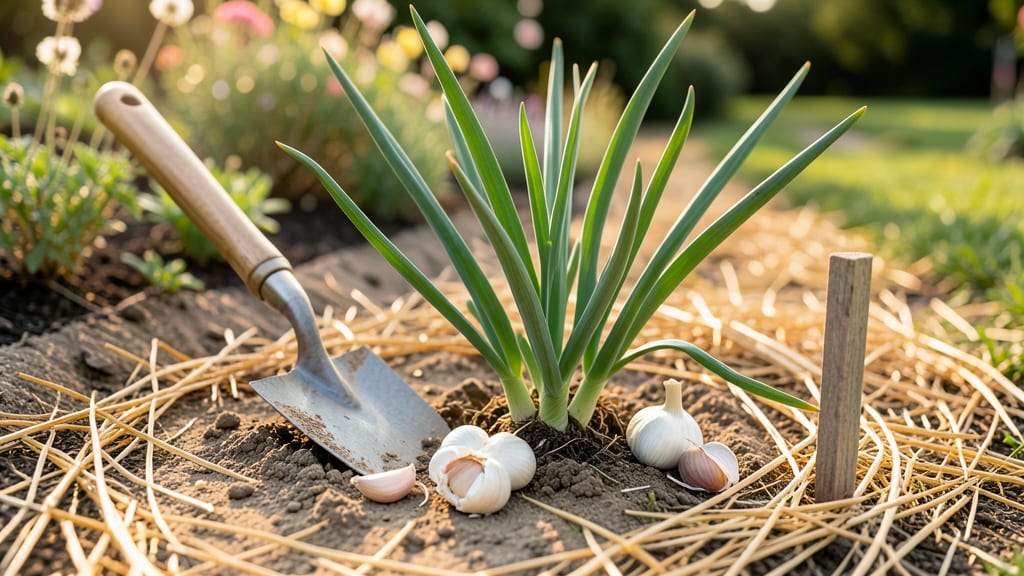
Planting garlic in Northeast PA at the wrong time could mean the difference between plump, flavorful bulbs and a disappointing harvest—or worse, total failure. Unlike many crops, garlic thrives when planted in fall, but timing is everything in our Zone 5b-6a climate where frosts arrive early.
Most gardeners here know the golden window is between October and November, but did you know planting too early can rot cloves while waiting too late risks stunted growth? I’ve learned the hard way that even a week’s delay can weaken next year’s harvest.
The secret lies in reading your soil and local frost patterns—something I’ll break down so you can nail it the first time.
What if you missed the fall window? Don’t panic—spring planting is possible, though it requires extra care. We’ll cover exactly when to try it and how to adjust for Northeast PA’s unpredictable weather swings.
With the right prep, you can still grow hardy, cold-resistant varieties like ‘Music’ or ‘German White’ that flourish in our climate.
Ready to plant? I’ll walk you through soil prep, mulching tricks, and the 3 key signs your garlic is thriving—so you can enjoy a bumper crop by late June. Let’s get those cloves in the ground the right way.
Best planting timeline for Northeast PA garlic: month-by-month breakdown
Timing is everything when planting garlic in Northeast PA, where USDA Zone 5b-6a winters demand careful planning. The ideal window spans from mid-October to early November, allowing roots to establish before the ground freezes—typically by mid-December in most of the region.
This timing ensures your bulbs overwinter successfully and produce robust harvests the following summer.
Garlic thrives on cold stratification, a process where cloves experience winter temperatures to break dormancy. In Northeast PA, planting too early (before mid-September) risks rot, while planting too late (after mid-November) may leave insufficient time for root growth before frost.
Microclimates like the Poconos or Scranton area can shift these windows by 1-2 weeks, so monitor local frost dates.
For hardneck varieties (like 'Music' or 'German White'), which are best suited for PA’s climate, aim for planting by October 15th.
These varieties need the cold to form scape stalks and larger bulbs. Softneck varieties, while less common in cold climates, can tolerate slightly later planting but may yield smaller bulbs if exposed to extreme cold.
Soil temperature is your best guide—plant when it drops to 40-50°F. Use a soil thermometer or check local Penn State Extension forecasts for real-time updates. In years with unusually warm falls, delay planting until temperatures consistently hover around 50°F at night to prevent premature sprouting.
Here’s how to align your planting with Northeast PA’s seasonal shifts:
| Month | Task | Soil Temp | Notes |
|---|---|---|---|
| September | Prep soil, order cloves | 50-60°F | Avoid planting; cloves may sprout |
| October | Plant hardneck varieties | 40-50°F | Ideal for root establishment |
| November | Plant softneck varieties | 35-45°F | Last chance before frost |
| December | Mulch heavily (4-6 inches) | Frozen | Protect from heaving |
| January-February | Monitor snow cover | Below freezing | Avoid disturbing plants |
| March-April | Remove mulch gradually | 35-45°F | Prevent early sprouting |
If you miss the fall window, spring planting is possible but yields will be 50% smaller. Plant hardneck cloves in early April (when soil reaches 50°F) for a summer harvest, but avoid softneck varieties—they perform poorly in PA’s short season.
Spring-planted garlic matures faster but lacks the flavor depth of fall-planted bulbs.
Pro tip: Use local garlic varieties adapted to PA’s climate, like 'German White' or 'Chesnok Red'. These hardnecks thrive in Zone 5-6 and produce large, flavorful bulbs with minimal care. Avoid store-bought garlic for planting—it’s often treated to prevent sprouting and may carry diseases.
Adjust your timeline based on microclimates. Higher elevations (e.g., Poconos) may need planting by mid-October, while lower areas (e.g., Scranton) can extend to early November. Always plant 4-6 weeks before the first hard frost to ensure roots establish before winter sets in.
For extra insurance, plant a test row in late September to gauge soil conditions. If cloves sprout prematurely, delay the main planting. This simple step can save your entire crop from rot or poor growth.
Remember: Patience pays off. Garlic planted in Northeast PA’s fall window will reward you with bold, hardneck bulbs ready for harvest in late June or July—just in time for summer cooking. Mark your calendar now to avoid last-minute rushes!
Best planting timeline for Northeast PA garlic: month-by-month breakdown
Northeast PA’s USDA Zone 5b-6a climate means garlic must be planted early enough to establish roots before winter—but not so early that cloves rot in warm soils. Aim for October through mid-November, when soil temps drop below 60°F but before hard frost hits (mid-October in most areas).
This window works for both hardneck and softneck varieties, though hardnecks (like ‘Music’) thrive best in PA’s cold winters.
For Scranton and Wilkes-Barre, target late October—when daytime highs dip to 50°F. In the Poconos, plant by mid-October to avoid early freezes. Use a soil thermometer to confirm temps are 40-50°F at planting depth (4 inches).
| Month | Action | Soil Temp | Notes |
|---|---|---|---|
| September | Prepare beds | 60°F+ | Amend soil with compost; avoid planting cloves. |
| October | Plant cloves | 40-50°F | Ideal window for Northeast PA; 4-6 weeks before frost. |
| November | Plant late cloves | 35-45°F | Only if soil hasn’t frozen; use mulch for protection. |
| December | Mulch heavily | Frozen | Add 4-6 inches of straw; avoid rot. |
| January-February | Monitor snow cover | Below freezing | Snow insulates; no action needed. |
Spring planting is possible but risky in Northeast PA. If you miss fall, try early March—but only if soil temps stay below 50°F for 6+ weeks post-planting. Spring garlic often bolts early due to PA’s unpredictable warm spells, leading to smaller bulbs. For best results, stick to fall.
Use local frost date data from Penn State Extension to refine your timeline. For example, the Poconos typically freeze by October 15, while Scranton holds off until October 25.
Adjust by 1-2 weeks based on your microclimate. Always plant 2 inches deep, with 4 inches between cloves and 12 inches between rows for proper airflow.
After planting, apply 2 inches of straw mulch to insulate cloves through winter. This prevents heaving (bulbs pushing out of soil) and protects against voles, a common issue in PA’s wooded areas. Remove mulch in early April to allow soil warming without disturbing the plants.
Timing is everything in Northeast PA’s climate. Plant garlic too early, and you’ll face rot from warm soils; too late, and bulbs won’t mature before summer’s heat. Aim for October’s last week as your sweet spot—just before the ground freezes but after summer’s humidity fades.
With this approach, you’ll harvest plump, flavorful bulbs by late June or July of the following year. 🧄