
Plants
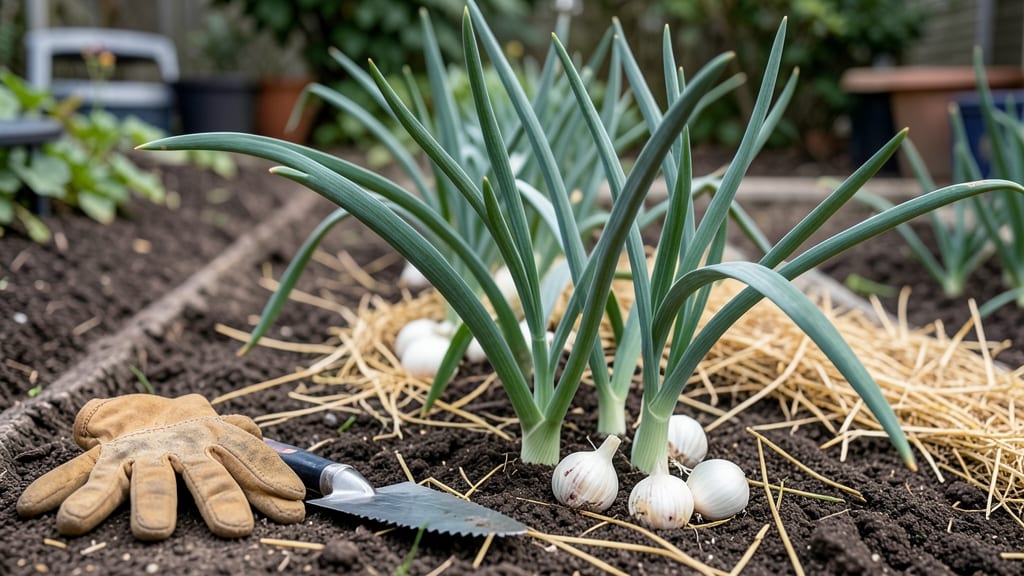
Planting garlic in Virginia at the wrong time could mean the difference between a bountiful harvest of plump bulbs and disappointing cloves that barely grow. The ideal window for this hardy crop is during fall—specifically, between October and November—when temperatures drop but the ground remains workable.
Why does timing matter so much? Garlic thrives in Virginia’s 7a-7b climate zones because it needs a period of cold dormancy to develop properly. Planting too early risks rot, while waiting too late can stunt growth before winter sets in.
The key is understanding your region’s frost dates and soil conditions.
In this guide, I’ll break down the best planting dates for Virginia’s coastal, Piedmont, and mountain regions, plus soil prep secrets to ensure your 🧄 garlic grows strong. Whether you’re a seasoned gardener or just starting, these tips will help you avoid common mistakes and maximize your harvest.
Let’s dive into the climate-smart strategies that’ll give you the biggest, boldest garlic bulbs Virginia has to offer. Ready to get started?
Virginia garlic planting dates by region: Coastal vs Piedmont vs Mountains
Virginia’s diverse climate zones—from the humid Coastal Plain to the cooler Piedmont and the high-elevation Appalachian Mountains—mean garlic planting dates vary dramatically. In USDA Zones 7a-7b, timing is critical to avoid frost damage or stunted growth.
The first frost typically arrives in mid-October, while the last frost lingers until mid-November, giving you a narrow window to plant.
For Coastal Virginia (Zone 7b), aim to plant garlic cloves between October 15 and November 15. This region’s milder winters and slower soil cooling allow for a slightly extended window.
In contrast, Piedmont gardens (Zone 7a) should plant between October 1 and November 1, as colder nights arrive earlier. Mountainous areas like the Blue Ridge (Zone 6b) need to plant by September 20 to avoid winter kill.
Soil temperature is your best guide: plant when the ground reaches 40–50°F. Use a soil thermometer to check—garlic roots won’t form properly in warmer soil. In Virginia, this usually aligns with late October for most regions, but Coastal areas may wait until early November.
Pro tip: Hardneck varieties (like Music or Chesnok Red) thrive in Virginia’s climate, while softneck types (such as Silverskin) tolerate milder winters. Choose based on your zone—hardnecks need cold for bulb formation, while softnecks grow better in Coastal Virginia’s gentler winters.
| Region | USDA Zone | Ideal Planting Window | Soil Temp Threshold | Key Variety |
|---|---|---|---|---|
| Coastal Plain | 7b | Oct 15–Nov 15 | 40–50°F | Silverskin |
| Piedmont | 7a | Oct 1–Nov 1 | 40–50°F | Music |
| Appalachian Mountains | 6b | Sep 20–Oct 10 | 35–45°F | Chesnok Red |
Missed the fall window? Spring planting is possible in Virginia but risky—garlic needs 120–160 days to mature, and spring-planted bulbs are often smaller. If you must plant in spring, use early-maturing varieties like German White and sow by March 1 in Coastal areas or February 15 in the Mountains.
Always plant 4–6 weeks before the first hard frost to allow roots to establish. In Virginia, this means early October for most gardeners. Use clove separators to avoid crowding—space bulbs 4–6 inches apart in rows 12 inches apart for optimal airflow and bulb development.
Remember: Soil preparation is just as critical as timing. Virginia’s clay-heavy soils benefit from compost and sand amendments to improve drainage. Test your soil’s pH (6.0–7.0) and adjust with lime or sulfur as needed. Well-drained soil prevents rot, a common issue in Virginia’s humid climate.
For urban gardeners in cities like Richmond or Norfolk, microclimates can shift planting dates by 1–2 weeks. Monitor local weather forecasts and adjust—heat islands in cities may delay frost, while windy mountain slopes can bring frost earlier. When in doubt, plant 2 weeks earlier than the recommended window.
Harvest time in Virginia runs from late June to July, when lower leaves turn brown and papery. Cure bulbs in a dry, shady spot for 2–3 weeks before storing. Proper timing now means plump, flavorful bulbs all winter long.
Moon phase and soil prep secrets for Virginia garlic success
Virginia’s humid summers and cold winters demand extra attention to soil preparation and planting timing. While most gardeners focus on frost dates, the moon phases and soil conditions can make or break your garlic harvest.
I’ve planted garlic in Virginia for over a decade, and these secrets have helped me grow bulbs so large they’re perfect for braiding.
The best time to plant garlic in Virginia aligns with the waning moon—specifically during its last quarter—when the moon’s gravitational pull encourages root development. This typically falls between October 15th and November 15th, depending on the lunar cycle.
For example, in 2023, the last quarter moon occurred on October 28th, making it an ideal window for planting in the Piedmont region.
🌱 Key Takeaway: Virginia Garlic Planting Secrets
Plant during the waning moon (last quarter) for stronger roots.
Ideal 50-60°F soil temperature at planting time.
Aim for 6.0-7.0—Virginia’s clay soils often need sulfur.
Virginia’s clay-heavy soils in many regions can suffocate garlic roots if not amended properly. I always test my soil pH in September—Virginia’s native soils often test acidic (below 6.0).
To raise the pH, I mix in pelletized sulfur (about 1 pound per 100 square feet) and aged compost (3-4 inches deep). This creates the ideal 6.0-7.0 pH range garlic craves.
Another critical step is soil temperature. Garlic cloves need soil temperatures between 50-60°F to sprout successfully. In Virginia’s Coastal Plain, where winters are milder, you can plant as late as December 1st, but in the Mountains, aim for October 15th to avoid early freezes.
Use a soil thermometer to check—if temps drop below 50°F, wait a week or two.
Once your soil is prepped, plant your hardneck garlic (best for Virginia’s climate) 2 inches deep, with the pointed end facing up. Space cloves 6 inches apart in rows 12 inches apart to allow airflow and reduce mold risk—a common issue in Virginia’s damp springs.
After planting, apply a 2-inch layer of straw mulch to insulate the soil and retain moisture.
Finally, mark your calendar for early spring feeding. In Virginia, garlic benefits from a light application of 10-10-10 fertilizer in late February or early March, just as the green shoots emerge. This boosts bulb development without encouraging excessive leaf growth, which can weaken the bulbs before harvest.
By following these moon-phase and soil secrets, your Virginia garlic will thrive even in the state’s challenging climate.