
Plants
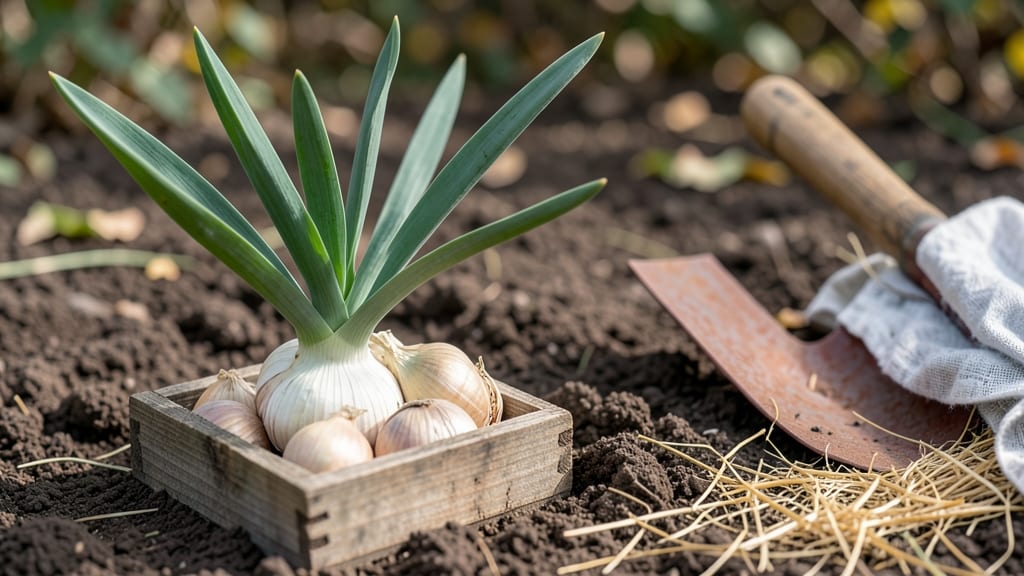
Planting garlic 🧄 in Minnesota isn’t just about throwing cloves in the ground—it’s about mastering the 6-8 week window before the ground freezes solid. Skip this timing, and you’ll either get frost-damaged sprouts or miss the chance to grow the plump, flavorful bulbs you crave.
Here’s the catch: hardneck varieties (like the popular German White) need that late-September to early-October slot, while softneck types can sometimes squeeze in later. But with Minnesota’s unpredictable frosts, even a 2-week delay can make or break your harvest.
I’ve grown garlic in USDA zones 4a-5b for years, and I’ll show you exactly how to time it right—whether you’re a first-timer or a seasoned gardener. We’ll cover soil prep, frost tricks, and why your garlic’s future depends on planting before the first hard freeze.
Ready to avoid the common mistakes that leave gardeners with nothing but frozen cloves? Let’s get your garlic off to the best start possible.
Best planting dates for Minnesota garlic: hardneck vs softneck breakdown
Minnesota’s short growing season demands precision when planting garlic. The ideal window is 6-8 weeks before ground freezes, typically late September to early October for most of the state. This timing ensures garlic establishes roots before winter dormancy while avoiding late-season frost damage.
Northern MN (Zone 3) may need to plant earlier, while southern areas (Zone 5) can extend planting into mid-October.
Hardneck garlic (rocks, purple stripe) thrives in Minnesota’s cold winters and is the top choice for most gardeners. Softneck varieties (silverskin, artichoke) are less cold-hardy but can work in sheltered microclimates.
The key difference? Hardneck needs vernalization (cold exposure) to form bulbs, while softneck can handle milder winters.
Use your average first frost date as your guide. In the Twin Cities, this is usually October 15-20, so aim to plant by September 15. In Duluth, where frosts come earlier, plant by September 1. Southern MN can push planting to October 10 safely.
Here’s the critical comparison between hardneck and softneck planting windows in Minnesota:
| Variety Type | Best Planting Window (MN) | Key Consideration | Cold Hardiness |
|---|---|---|---|
| Hardneck (Rocks, Purple Stripe) | Late September - Early October | Requires vernalization; thrives in cold | Zone 3-5 |
| Softneck (Silverskin, Artichoke) | Mid-October (sheltered areas only) | Less cold-tolerant; needs protection | Zone 4-5 |
| Both Types | Late August (emergency planting) | Only if soil temps stay above 40°F | Zone 4+ with protection |
Spring planting is risky in Minnesota but possible in southern zones if you use row covers or a cold frame. Plant in March or early April when soil temps reach 40°F. However, bulbs may be smaller and less flavorful compared to fall-planted garlic.
For maximum yield, prioritize fall planting. Hardneck garlic planted in late September will produce larger bulbs with more cloves than spring-planted varieties. The 6-8 week buffer before frost lets roots establish while the plant remains dormant through winter.
Pro tip: Use a soil thermometer to confirm soil temps are below 40°F before mulching. This prevents premature sprouting in winter. In northern MN, add 4-6 inches of straw mulch by November 1 to protect cloves.
Remember: Garlic planted in November is a gamble—soil may freeze before roots establish. If you miss the fall window, wait until spring (but expect smaller harvests). The earlier you plant, the better the bulbs—just don’t let frost catch you off guard! 🌱
How to adjust garlic planting for Minnesota’s frost risks and soil conditions
Minnesota’s unpredictable frosts and heavy clay soils can turn garlic planting into a high-stakes game of chance—but with the right adjustments, you’ll beat the odds every time. The key is mulching early and prepping soil in advance to create a stable growing environment.
I’ve learned that even a 2-inch layer of straw mulch can protect garlic from late-season freezes down to -20°F, which is critical for Minnesota’s USDA zones 4a-5b.
Start by testing your soil’s drainage and pH. Garlic hates soggy feet, so if your yard holds water after rain, amend the soil with compost or sand before planting. Aim for a pH between 6.0 and 7.0—too acidic, and your bulbs won’t develop properly.
I once had a patch of German White garlic fail because my soil was too alkaline; a simple sulfur application fixed it the next year.
Planting garlic too close to first frost (typically mid-October in MN) risks rotten cloves before roots establish. If your soil stays workable until late October, hold off—hardneck varieties need 6-8 weeks of cold to form bulbs properly. Use a soil thermometer to check for 40°F soil temps before planting.
For sandy soils, which drain too quickly, mix in peat moss or coconut coir to retain moisture. I’ve also had success using black plastic mulch in early spring to warm the soil faster for softneck garlic, which is less cold-hardy.
Just remove it by late May to avoid overheating. Another trick? Plant near evergreen windbreaks to shield garlic from winter winds that can desiccate leaves.
If you’re in northern MN (zone 4a), consider row covers or cold frames to extend your growing season. I’ve used floating row covers to protect garlic through light frosts in spring, letting me harvest 2-3 weeks earlier.
For heavy clay soils, raise beds with wooden frames filled with a 50/50 mix of soil and compost—this improves drainage while keeping roots cool.
Don’t forget to label your rows! Minnesota’s variable weather can make it hard to track which variety is which. I’ve lost track of Chesnok Red and Music garlic before—only to realize they were planted in the same bed.
Use stakes with variety names and mark planting dates to adjust care as needed.
Finally, water deeply before winter to build root reserves. In my garden, a 1-inch soaking in late October ensures garlic has enough moisture to survive dry spells under snow. With these adjustments, you’ll turn Minnesota’s challenges into garlic-growing advantages—and maybe even impress your neighbors with oversized bulbs by July!