
Trees
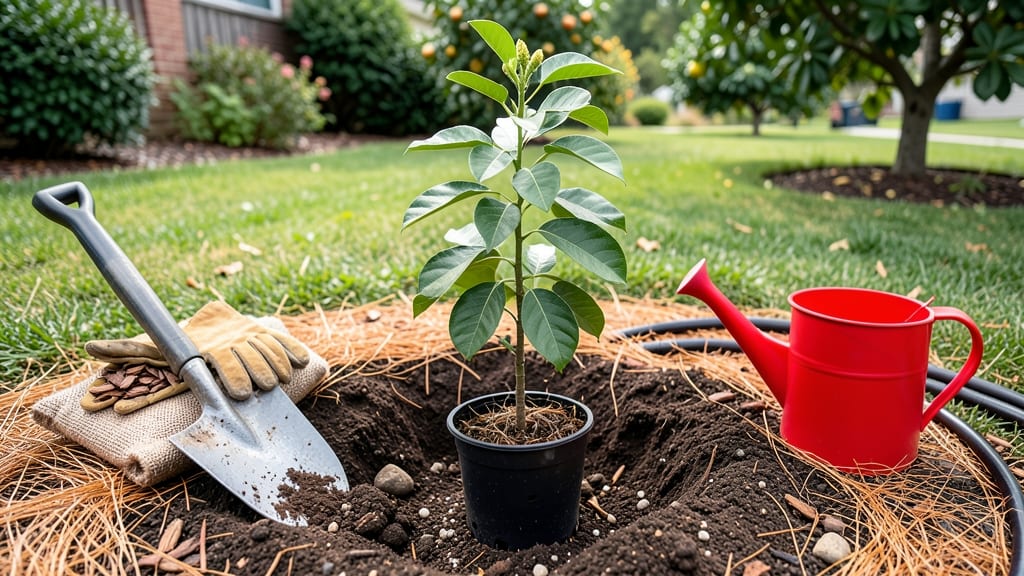
Planting fruit trees in Florida at the wrong time can mean stunted growth, poor yield, or even death—yet most gardeners miss the critical soil temperature triggers that guarantee success.
With Florida’s 8a-11 zones offering year-round planting, timing isn’t just about seasons—it’s about soil warmth. Citrus thrives when roots hit 60°F+, while stone fruits need cooler 50-60°F to establish before summer’s heat. Get this wrong, and your 🍎 trees could struggle to take hold.
I’ve spent years perfecting the timing for Florida’s most productive varieties, from ‘Valencia’ oranges to ‘Choctaw’ avocados. The key? Planting when soil temps align with each tree’s needs—whether that’s late winter for citrus or early spring for peaches.
In this guide, I’ll break down the exact soil temperature triggers, regional adjustments, and fast care tips to ensure your fruit trees grow strong and bear fruit sooner than you’d expect.
Best planting months for Florida fruit trees based on soil temperature
Florida’s warm climate might make you think fruit trees can be planted anytime—but soil temperature is the real game-changer. Most fruit trees thrive when soil stays between 60°F and 85°F, and planting outside this range stresses roots.
In North Florida, aim for late winter to early spring (January–March), while South Florida’s longer growing season allows year-round planting with summer heatwave precautions.
Citrus trees, like ‘Valencia’ oranges, love Florida’s heat but need warm soil (70°F+) to establish roots. Stone fruits (peaches, plums) prefer cooler soil (60–70°F) and should go in December–February to avoid summer stress.
Avocados, Florida’s tropical darlings, need consistent warmth (75°F+) and can be planted almost anytime—but spring is ideal.
Here’s the critical rule: Wait until soil temps hit 60°F before planting most fruit trees. Use a soil thermometer (just $15 at garden centers) to check—dig 4 inches deep in the morning for the most accurate reading.
In Florida’s Zone 8a–11, this usually aligns with January–March for North FL and February–April for Central/South FL, but heatwaves can push windows earlier.
🌱 Florida Fruit Tree Planting Guide by Soil Temp & Region
| Fruit Type | Ideal Soil Temp | Best Planting Window | North FL Notes | South FL Notes |
|---|---|---|---|---|
| Citrus (oranges, grapefruit) | 70–85°F | Feb–April | Plant after last frost (Jan 15) | Year-round; avoid summer heatwaves |
| Stone Fruits (peaches, plums) | 60–70°F | Dec–Feb | Critical to avoid summer stress | Feb–March; mulch heavily |
| Avocados | 75–85°F | Feb–May | Use frost cloth in winter | Year-round; protect from wind |
| Berries (strawberries, blueberries) | 55–70°F | Jan–March | Acidic soil required | Feb–April; shade cloth helps |
| Fig Trees | 65–80°F | Feb–March | Drought-tolerant once established | Year-round; fast-growing |
💡 Pro Tip: Bare-root trees plant best in winter (Dec–Feb) for root flush, while container-grown trees adapt to any season.
Florida’s microclimates throw a wrench into one-size-fits-all advice. For example, Tallahassee (Zone 8a) might see frost in January, while Miami (Zone 11) stays warm year-round. If you’re in Central Florida (Orlando, Tampa), aim for February–March to balance soil warmth and humidity.
Always check your local USDA Zone and historical frost dates—Florida’s last frost can vary by 30 days even within the same county!
One common mistake? Planting stone fruits in summer. Soil temps above 85°F shock roots, leading to wilting or death within weeks. I’ve seen gardeners in South FL plant peach trees in June—only for them to crisp by August.
Instead, wait for soil to cool below 80°F (usually late summer) or use shade cloth to protect young trees during heatwaves.
For citrus trees, timing matters less—but summer planting requires extra care. Young trees need daily shade (use 30% shade cloth) and deep watering every 2–3 days until roots establish (about 3–4 months). In North FL, citrus planted in May often suffers from summer drought stress
Best planting months for Florida fruit trees based on soil temperature
Florida’s warm climate might make you think fruit trees can be planted anytime, but soil temperature is the real game-changer. Most fruit trees thrive when soil temps hover between 60-85°F, which aligns with Florida’s late winter to early spring months.
For example, citrus trees like ‘Valencia’ oranges prefer 70-80°F, while avocados need 65-75°F to establish roots quickly.
North Florida’s cooler microclimates (like Gainesville) benefit from planting in January or February, while South Florida (Miami area) can plant year-round—though spring still offers the best balance of warmth and moisture. Heatwaves in summer can stress young trees, so avoid planting during June-August unless using shade cloth.
🌱
| Fruit Type | Ideal Soil Temp (°F) | Best Planting Window | Florida Region |
|---|---|---|---|
| Citrus (Oranges, Lemons) | 70-80°F | Jan-Apr | Statewide |
| Avocado | 65-75°F | Feb-Apr | South/Central |
| Peach/Nectarine | 60-70°F | Dec-Feb | North/Central |
| Fig | 65-85°F | Year-round | Statewide |
| Blueberry | 55-65°F | Dec-Feb | North FL |
If you’re in North Florida, watch for last frost dates (typically mid-January), as even young trees can suffer damage. South Florida gardeners have more flexibility but should still avoid planting during hurricane season (June-November), when roots need stability.
For container-grown trees, you can plant almost anytime, but root establishment is fastest in spring.
Pro tip: Mulch heavily after planting to retain moisture and regulate soil temperature. Use 3-4 inches of organic mulch (like pine bark) and keep it 6 inches away from the trunk to prevent rot.
This is especially critical in Florida’s hot, dry summers, where soil can bake to 90°F+.
For bare-root trees, plant as soon as possible after purchase—these dormant trees can dry out quickly in Florida’s heat.
Soak roots in water for 1-2 hours before planting to kickstart root growth. Container-grown trees, on the other hand, can wait a few days, making them ideal for last-minute gardeners.
☀️