
Plants
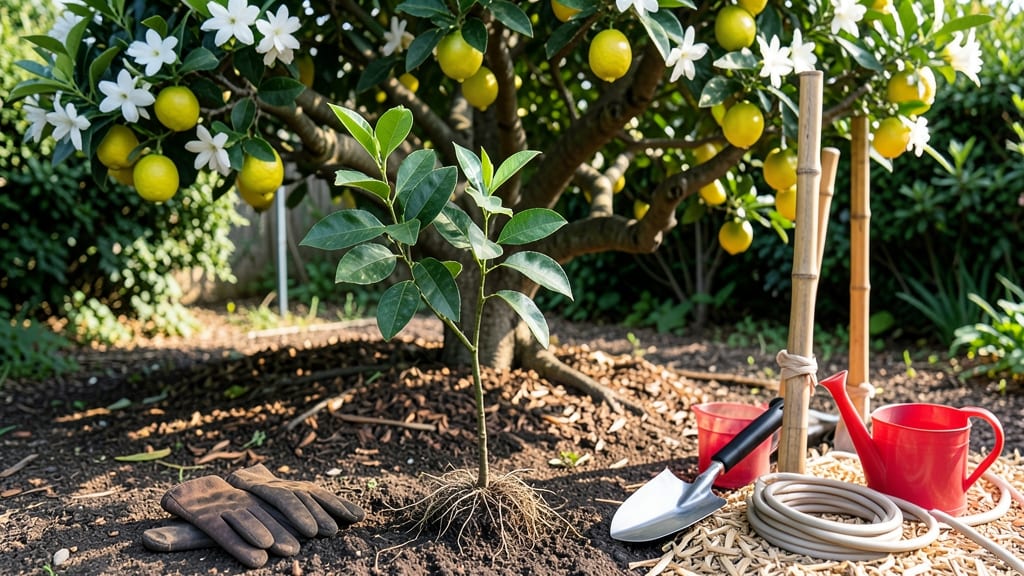
Planting citrus in Arizona might seem straightforward with its warm climate, but getting the timing wrong can mean the difference between a thriving 🍊 tree and one that struggles—or worse, doesn’t survive.
The key isn’t just avoiding frost (though that’s critical), but also understanding when the soil is warm enough for roots to establish without stress.
Most Arizona gardeners know winter is the best time to plant citrus, but the exact window varies depending on where you live. In Phoenix or Tucson, you can start as early as November, while high-desert areas like Flagstaff need to wait until March to avoid late frosts.
The trick is planting when daytime highs stay above 60°F and nights dip no lower than 45°F—conditions that give young trees the best shot at survival.
Why does this matter? Because citrus roots are sensitive to cold, and planting too early can leave them vulnerable. I’ve seen firsthand how a well-timed planting in December or January leads to faster growth and earlier fruit production.
Whether you’re digging in the ground or choosing containers for colder microclimates, the right timing sets the stage for years of harvests.
In this guide, I’ll break down the exact frost-free windows for your region, soil temperature tricks to protect young trees, and the best citrus varieties for Arizona’s heat. Let’s get your 🍊 off to the strongest start possible.
Best planting months for citrus trees in Arizona by region
Arizona’s diverse climate means Phoenix and Tucson enjoy 300+ frost-free days, while Flagstaff and high-desert areas face 20°F dips that can kill tender citrus. The key? Planting during cooler months when soil temps stay above 60°F and frost risk is minimal.
For low-desert regions (Phoenix, Yuma, Tucson), the ideal window is November through March. This gives roots time to establish before summer’s 110°F+ heat. In high-desert zones (Flagstaff, Prescott), wait until late April or May when soil warms consistently.
Container-grown citrus offers flexibility—you can plant year-round in warm zones, but winter planting still reduces transplant shock. Just avoid summer heat stress by keeping young trees in shade for the first 2-3 weeks.
🌱
| Region | Best Planting Months | Soil Temp Requirement | Frost Risk | Container Notes |
|---|---|---|---|---|
| Phoenix/Tucson/Yuma | November–March | 60°F+ (15°C+) | Low (Dec–Jan) | Move indoors if temps drop below 40°F |
| High Desert (Flagstaff, Prescott) | Late April–May | 65°F+ (18°C+) | High (Nov–Mar) | Use frost blankets; plant in pots for mobility |
| Sedona/White Mountains | June–July (only) | 70°F+ (21°C+) | Very High | Only cold-hardy varieties (e.g., 'Carrizo' citrange) |
*Soil temps measured 6" deep. Use a soil thermometer for accuracy.
In Phoenix and Tucson, December is the sweet spot—cool enough for root growth but warm enough to avoid winter dormancy. Meanwhile, Yuma’s extreme heat means planting in November gives trees a 6-week head start before summer’s intensity.
For high-desert gardeners, container planting is a game-changer. Move pots to sheltered patios at night and south-facing walls during the day to extend the growing season by 2-3 months.
Pro tip: Check your local USDA Zone (Arizona ranges from 7a to 10b) and microclimate. A valley may be Zone 9a, while a mountain slope could be Zone 7b—just 5 miles apart!
🌡️
If you’re planting bare-root citrus (common in nurseries), soak roots for 2-4 hours before transplanting. For container-grown trees, water thoroughly 1-2 days before moving to minimize transplant shock. Both methods help reduce air pockets in the root ball.
Finally, amend your soil with compost and citrus-specific fertilizer (high in zinc and manganese) to prevent deficiency diseases like mottle leaf. Arizona’s alkaline soils often lack these nutrients, so test your soil pH (aim for 6.0–7.0).
✂️
Soil temperature and frost-free tricks to protect young citrus trees
Arizona’s winter chill can surprise even experienced gardeners—unpredictable frost after December 15 threatens young citrus trees. The key to success? Planting when soil temperatures stay above 60°F (15°C) and using protective strategies to shield tender roots.
Most nurseries sell citrus trees in dormant winter months, but timing matters more than you think.
Citrus trees need 6-8 weeks to establish roots before Arizona’s late-winter frosts hit. If you plant too early (like October), your tree may struggle to root before cold snaps.
Waiting until November-February gives roots time to anchor while avoiding summer’s brutal heat. For container-grown trees, this window extends slightly—just be ready to move pots indoors if frost threatens.
🌱
⚠️ Frost Warning: Arizona’s Hidden Danger
Even in Phoenix (Zone 9a), 20°F (-7°C) frosts can occur in January. High-desert areas like Flagstaff (Zone 7a) face 32°F (0°C) frosts until April. Young citrus trees (under 2 years old) can die from 28°F (-2°C) exposure. Protective measures are non-negotiable.
To check soil readiness, use a soil thermometer—dig it 6 inches deep (where roots grow). Aim for 60-70°F (15-21°C) for optimal root growth. In Yuma (Zone 10a), soil warms faster, so November planting works.
In Tucson’s high desert (Zone 8a), wait until December to avoid early cold snaps.
Mulching is your first line of defense. Apply 4-6 inches of organic mulch (straw or wood chips) around the base to insulate roots. For extra protection, wrap the trunk and canopy in frost cloth during cold snaps.
Water deeply before frost—moist soil retains heat better than dry soil. Avoid overwatering, though; soggy roots invite rot.
Hardening off nursery trees is critical. If you buy potted citrus from a nursery, expose it to Arizona’s sun gradually over 1-2 weeks before planting. Start with 2-3 hours of sun daily, then increase.
This toughens leaves and stems, reducing shock when you plant. Skip this step, and your tree may sunburn or wilt under 110°F (43°C) summer heat.
For high-risk areas (like Prescott or Payson), consider container planting. Pots let you move trees indoors or under cover during frost. Use large containers (15+ gallons) for stability, and elevate them to prevent waterlogging.
Dwarf varieties like Meyer lemons thrive in containers and recover faster from cold snaps than standard trees.